








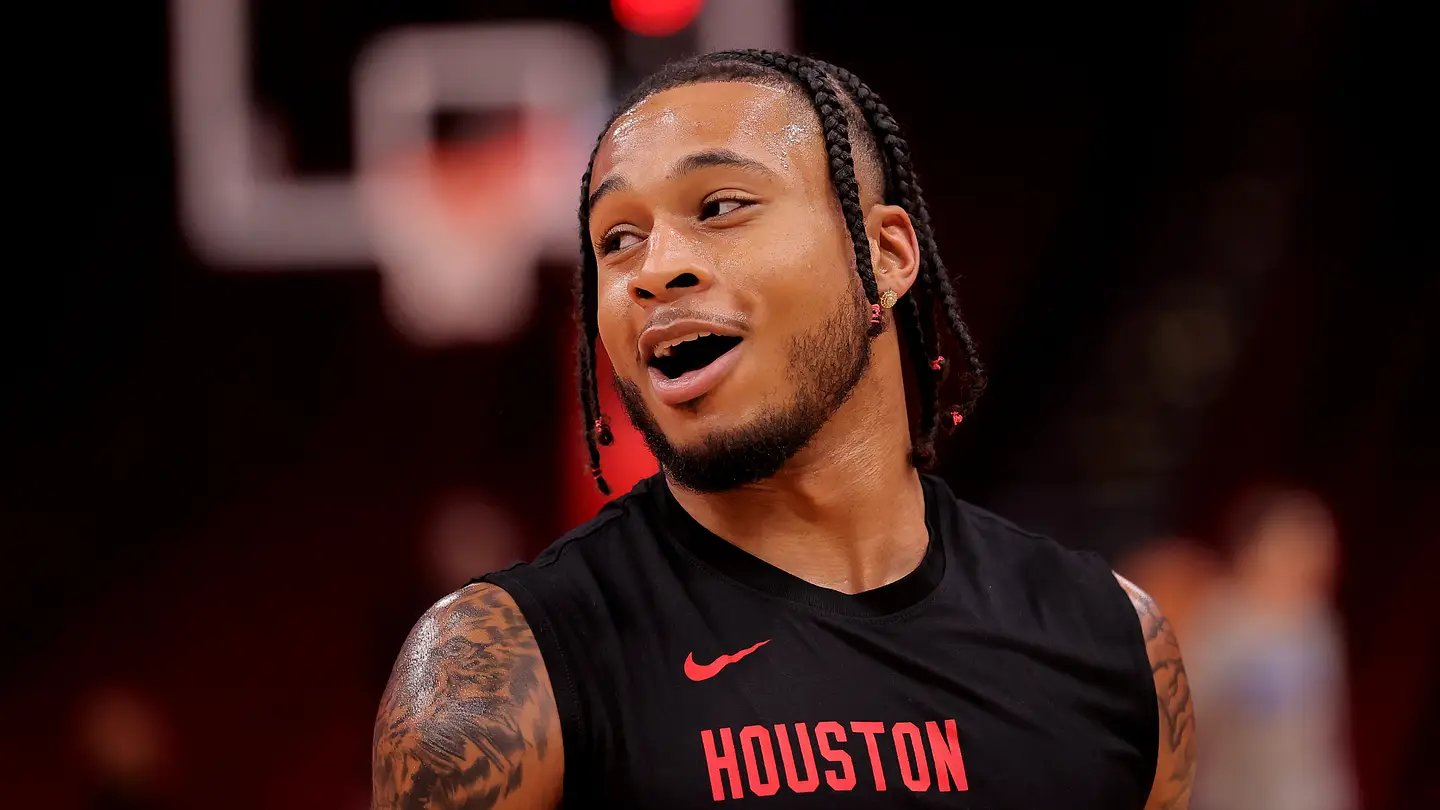
The Denver Nuggets’ recent acquisition of Cam Whitmore marks a significant strategic pivot for the organization, underscoring a concerted effort to recalibrate the team’s physical profile following a series of defensive and athletic shortcomings last season. While the Nuggets underwent a broader offseason overhaul, the addition of the 22-year-old former first-round pick is being viewed by analysts as the final, and perhaps most vital, piece of their efforts to inject elite-level athleticism into their roster.
The integration of such high-octane physical talent into a structured, veteran-heavy environment presents both an opportunity and a developmental challenge. Whitmore, standing at 6-foot-6 and weighing 230 pounds, possesses a rare physical toolset. Denver head coach David Adelman famously suggested the wing has the raw power to “play for the Broncos,” highlighting a level of strength and explosiveness that can instantly alter the team’s transition game. However, the coaching staff has been equally clear about the necessary adjustments to his game; specifically, the need for Whitmore to “simplify” his approach to basketball.
During the team’s media day, Whitmore acknowledged that this transition to Denver comes at a pivotal juncture in his career. He pointed to the presence of three-time MVP Nikola Jokic, Aaron Gordon, and Jamal Murray as a definitive catalyst for his professional growth. Having never been surrounded by such a concentration of seasoned leadership, the young forward has expressed a willingness to defer to their guidance, signaling a receptiveness to coaching that is essential for a player transitioning from a high-volume scoring role in Houston to a refined, team-oriented system in Denver.
Statistically, Whitmore’s offensive production as a rookie was notable, particularly given his limited court time. Averaging 12.3 points in just over 18 minutes per game, his output projects to 23.7 points per 36 minutes. His capacity for cutting and slashing makes him a natural fit for an offense headlined by premier passers like Jokic and the newly acquired DeMar DeRozan. Yet, the expectation is that his growth must extend beyond his natural scoring instincts. For Whitmore to secure a long-term role, the Nuggets’ leadership is emphasizing the development of his peripheral skills: improving his perimeter shooting consistency, enhancing his playmaking vision, and leveraging his elite athleticism on the defensive end of the floor.
This developmental roadmap is supported by a robust veteran structure. By learning under the tutelage of players who have mastered the nuances of spacing, passing, and defensive positioning, Whitmore is positioned to evolve into a more holistic contributor. His ability to absorb these lessons over the first half of the season will likely dictate his trajectory with the franchise. Should he successfully integrate these nuances, he stands to move from a two-way contract status to a permanent fixture on the 15-man roster, mirroring the developmental path taken by predecessors like Spencer Jones.
For the Nuggets, the success of this acquisition is not merely about adding a talented individual to the bench; it is about validating their internal development model. By placing a high-ceiling athlete like Whitmore into a locker room defined by veteran discipline, the team hopes to catalyze a maturation process that turns raw, undeniable physical gifts into reliable, winning basketball production. As the season progresses, all eyes will be on whether the young forward can refine his game to match the championship-level standards set by his teammates.
Disclaimer: This content is auto-generated for informational purposes only.
Source: Read Original News