








Harlem’s small business landscape is caught in a precarious struggle between community resilience and bureaucratic rigidity. While neighborhood institutions continue to innovate to stay afloat, many owners argue that navigating city regulations has become a greater threat to their survival than market fluctuations or economic downturns.
## The Bottleneck of Bureaucracy
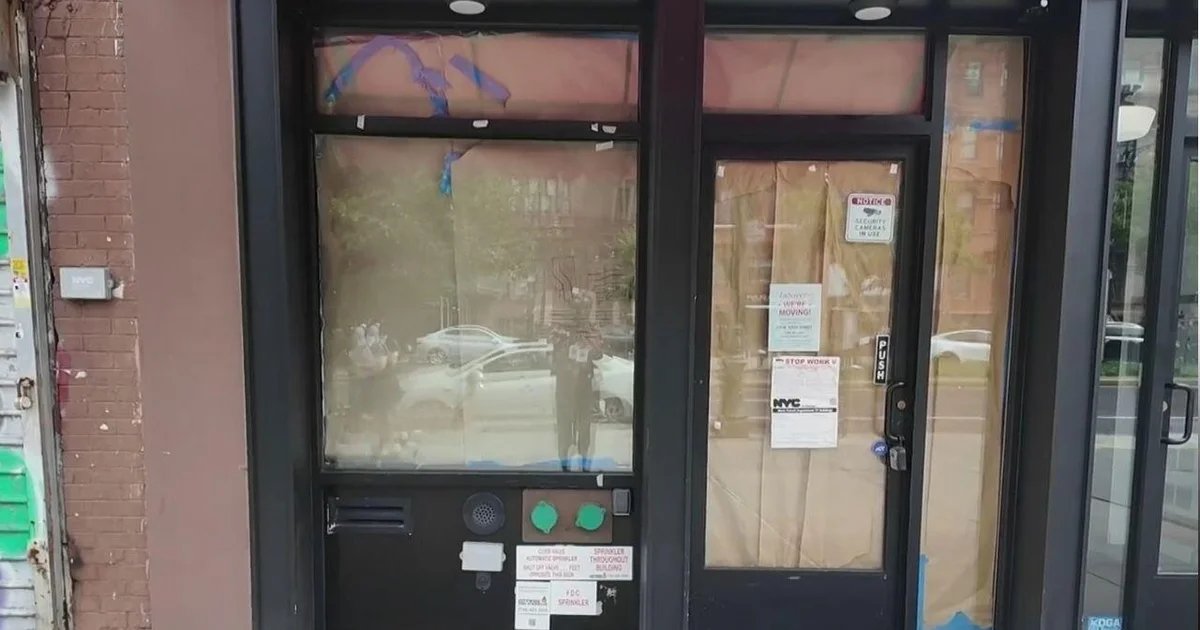
For brothers Mohammed and Rahim Diallo, the owners of the popular Ginjan Cafe on 125th Street, the fight to keep their doors open has transformed from a business challenge into a battle against administrative inertia. Despite paying off roughly $12,000 in pandemic-era fines and raising over $25,000 through community-led crowdfunding, the cafe remains shuttered, filled with storage boxes instead of customers.
The brothers, who also had to contend with a vehicle crashing into their Brooklyn location earlier this summer, emphasize that the primary obstacle is no longer financial—it is procedural. Even with funds in hand, the business remains in limbo, waiting for city-mandated service providers to conduct required inspections. Mohammed Diallo argues that the system itself is the problem, noting that teaching business owners how to navigate “red tape” is a hollow gesture if the regulatory infrastructure remains broken.
## Bridging the Gap with Digital Integration
While some businesses grapple with city inspections, others are leveraging new digital tools to drive foot traffic and maintain cultural visibility. The 125th Street Business Improvement District (BID) has launched a “Harlem Main Street” passport initiative, which utilizes QR codes displayed on murals and inside local shops like Settepani. By scanning these codes, residents and tourists are digitally connected to a curated list of neighborhood businesses and cultural sites.
This use of mobile technology and geolocation mirrors the broader trend of small businesses adopting Google-adjacent discovery tools to survive. Just as businesses rely on Google Maps and Search to ensure they appear to local customers, these digital passports serve as a modern “wayfinding” system. By digitizing the storefront experience, the BID is attempting to solve the visibility disconnect that often hinders minority-owned businesses, a struggle Harlem Cycle owner Tammeca Rochester described as a major hurdle when trying to convince investors of her market’s viability.
## The Burden of Local Governance
Despite the promise of digital tools, veteran business owners express frustration with the mounting costs of operation and the weight of civic responsibility. Leah Abraham, who has operated Settepani since the 1990s, points out that small businesses frequently end up shouldering problems that fall outside their professional scope, from street maintenance to social welfare issues.
“We carry a lot of the burdens that government should,” Abraham explained, noting that businesses are often fined for conditions on their streets that they have little power to control. For many, the Business Improvement District provides a vital safety net, allowing owners to share resources, ideas, and communal support to mitigate the costs of high rent and administrative fees.
The New York City Department of Small Business Services (SBS) maintains that its Business Express Service Team (BEST) is designed to streamline these exact processes. However, as vacancy rates in Harlem exceed city averages, the divide between government-provided resources and the on-the-ground reality of operating a business continues to grow. For owners like the Diallo brothers, the hope is for a more responsive, efficient system that allows entrepreneurs to focus on serving their community rather than navigating an endless loop of administrative hurdles.
Disclaimer: This content is auto-generated for informational purposes only.
Source: Read Original News