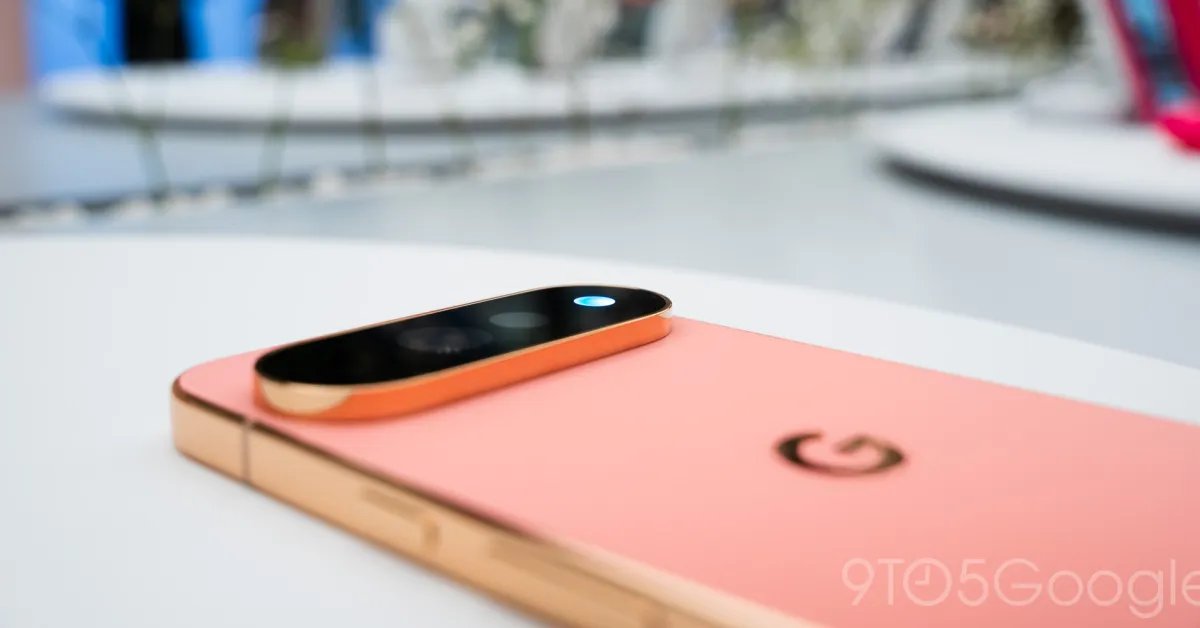






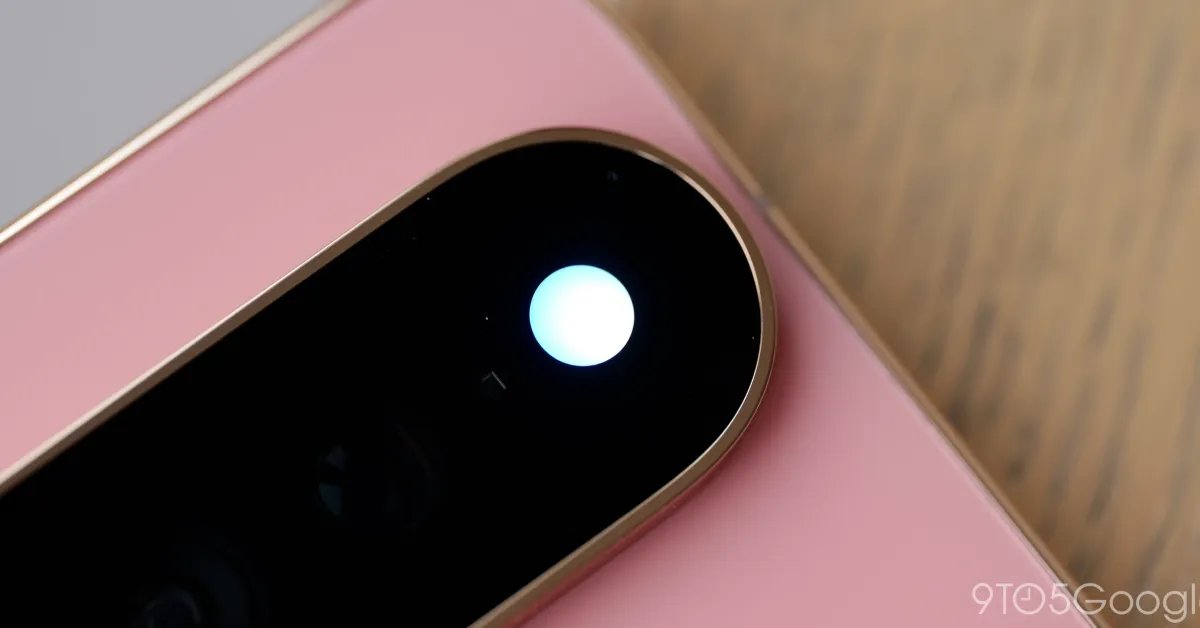
The latest software update for the Pixel 11 series introduces a significant expansion to the HiLight feature. With the arrival of Android 17 QPR2 Beta 6.1, Google has extended the capabilities of this hardware-integrated visual indicator to include incoming message notifications from favorite contacts. This update addresses one of the most requested functional gaps for the hardware since its initial launch.
Evolution of HiLight Functionality
When the Pixel 11 Pro series was launched, the HiLight system—a hardware-integrated lighting mechanism—was primarily focused on providing feedback for active voice interactions and incoming phone calls. While these served as effective indicators for attention-based tasks, the omission of message notifications was noted by users who rely on the phone’s visual cues for managing communication.
The Android 17 QPR2 Beta 6.1 update changes this by integrating messaging support directly into the HiLight ecosystem. Once the update is installed, users will find a dedicated configuration section under Settings, System, and HiLight. Within this menu, a new setting titled “Messages from favorites” allows users to toggle visual alerts specifically for their most important contacts. By design, this feature functions with a signature visual output: when a message arrives from an assigned favorite contact, the HiLight hardware blinks twice, providing a subtle but distinct notification that does not require checking the screen.
Integration with Contact Management
Google has streamlined the implementation of this feature by baking it directly into the interface of the Google Contacts application. By navigating to a contact profile, users can now access the HiLight bottom sheet. This UI allows for granular control over individual contacts, enabling users to customize whether they want to receive HiLight alerts for phone calls, messages, or both.
This granular control is critical for managing digital distractions. Rather than being alerted for every incoming notification, which could lead to “notification fatigue,” users can curate a whitelist of contacts whose communications are urgent enough to warrant a physical light cue. While the current integration focuses on Google Messages, the underlying framework is built to accommodate third-party platforms as well. Given the existing infrastructure for call integration, WhatsApp support is expected to be part of the standard deployment in the near future.
System Deployment and Beta Rollout
The transition from the previous limitation to this expanded functionality signifies a shift in how Google manages hardware-software synergy in its recent flagship lineup. Android 17 QPR2 Beta 6.1 arrives as a critical mid-cycle update, appearing shortly after the release of the primary beta branch.
Beyond adding message support, this build carries the September 2026 security patch. One of the notable aspects of this release is the accessibility of the beta. Users who are currently on the stable build, which has yet to reach the QPR1 milestone, are now permitted to move to the Beta 6.1 version. This suggests that Google is prioritizing the delivery of these hardware-enhancing features to the broad user base of the Pixel 11 Pro, 11 Pro XL, and 11 Pro Fold devices before the end of the year.
Practical Utility and User Impact
The utility of a light-based notification system is most apparent in environments where audio alerts are disruptive or undesired. In office settings, during meetings, or in quiet zones, the ability to acknowledge a message from a family member or a colleague via a quick blink on the device hardware offers a discreet way to stay connected.
By tying this functionality to “Favorites” rather than global notifications, Google ensures that the hardware remains an auxiliary communication tool rather than a source of constant visual interference. This implementation follows a logical trajectory for the HiLight feature, transforming it from a gimmick into a functional tool for personal productivity.
Looking Toward the Final Release
While Beta 6.1 is a significant step forward, the broader public release of these features is scheduled for the stable launch of Android 17 QPR2, which is expected in December. For early adopters and those testing the beta software, the current build provides a preview of how the Pixel 11 series will operate in a post-launch environment.
The inclusion of this feature in the QPR2 update confirms that the hardware capabilities of the Pixel 11 Pro series were designed with room for significant software-side growth. As the platform matures, users can anticipate further refinements to how these visual alerts interface with both native and third-party applications. This update serves as a reminder of how, in the modern mobile landscape, the value of a hardware device is increasingly defined by the agility of the operating system updates that follow its initial release. By bridging the gap between digital communication and physical interface design, Google is providing users with more agency over how they receive and process information throughout their day.
Disclaimer: This content is auto-generated for informational purposes only.
Source: Read Original News