








India Recalibrates Oil Import Strategy: Middle East Supplies Surge as Russian Flows Ebb
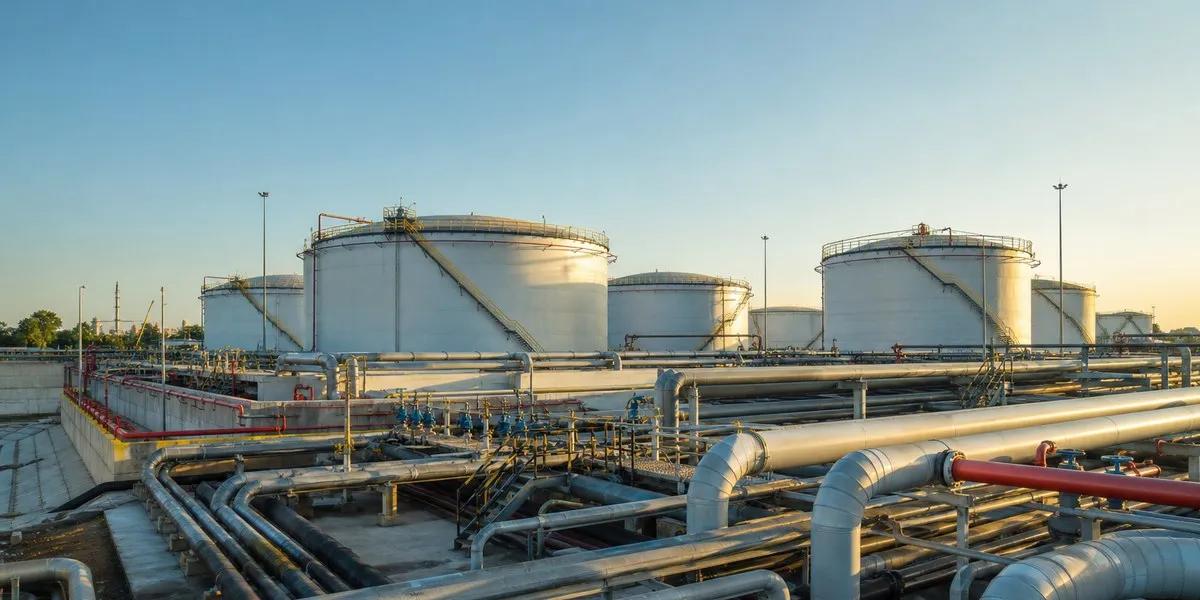
India, the world’s third-largest oil consumer, has signaled a notable shift in its energy procurement strategy. Recent data released by the analytics firm Kpler reveals that in September, India significantly ramped up its crude oil imports from Middle Eastern nations, opting to decrease its reliance on Russian supplies. This recalibration comes amidst a complex global geopolitical landscape where energy security and trade relations remain delicately balanced.
A Pivot Toward the Middle East
According to the latest figures, India’s oil imports from the Middle East climbed to an average of 3 million barrels per day in September. This surge underscores New Delhi’s effort to diversify its energy basket, ensuring that it is not overly dependent on a single source of supply.
Conversely, imports from the Russian Federation saw a downward trend. While Russia had previously been the primary beneficiary of India’s record-breaking appetite for discounted energy, the September data indicates a cooldown. Purchases of Russian crude dropped to 1.75 million barrels per day, a decline from the August average of 2.1 million barrels per day. The figure also fell short of initial market forecasts, which had predicted imports in the range of 1.9 million barrels per day.
Despite this decline, it is crucial to note that Russia maintains its position as the largest individual supplier of crude oil to the Indian market. India’s overall import volume stood at 5.3 million barrels per day in September—an increase of 600,000 barrels from the previous month and a substantial 700,000 barrels higher than the same period last year. This highlights that while the structure of supply has shifted, the total demand for energy within the Indian economy continues to expand rapidly.
Strategic Balancing and Future Risks
Market analysts suggest that while the reduction in Russian oil intake is significant, it does not represent an abandonment of Russian energy. Sumit Ritolia, an analyst at Kpler, noted that Russia remains a foundational element of India’s oil import architecture. India, currently holding the title of the second-largest importer of Russian oil globally—second only to China—has relied on this partnership to buffer its economy against volatile global price hikes.
However, this continued reliance on Russian crude brings with it potential economic headwinds. Reports suggest that the United States is keeping a close watch on trade relationships, and there are concerns that India could face severe consequences. Specifically, there is speculation that Washington might impose tariffs of up to 100% on certain goods imported from India, depending on how global sanctions packages are interpreted in the coming months.
As India navigates this energy transition, the government faces a multifaceted challenge. Balancing the need for affordable, consistent energy supplies with the pressures of international trade compliance will be a defining feature of the country’s economic policy in the near term. For now, the move toward the Middle East suggests a cautious, tactical adjustment intended to hedge against supply chain risks while maintaining the high volume of energy required to sustain India’s robust industrial and domestic growth.
Disclaimer: This content is auto-generated for informational purposes only.
Source: Read Original News