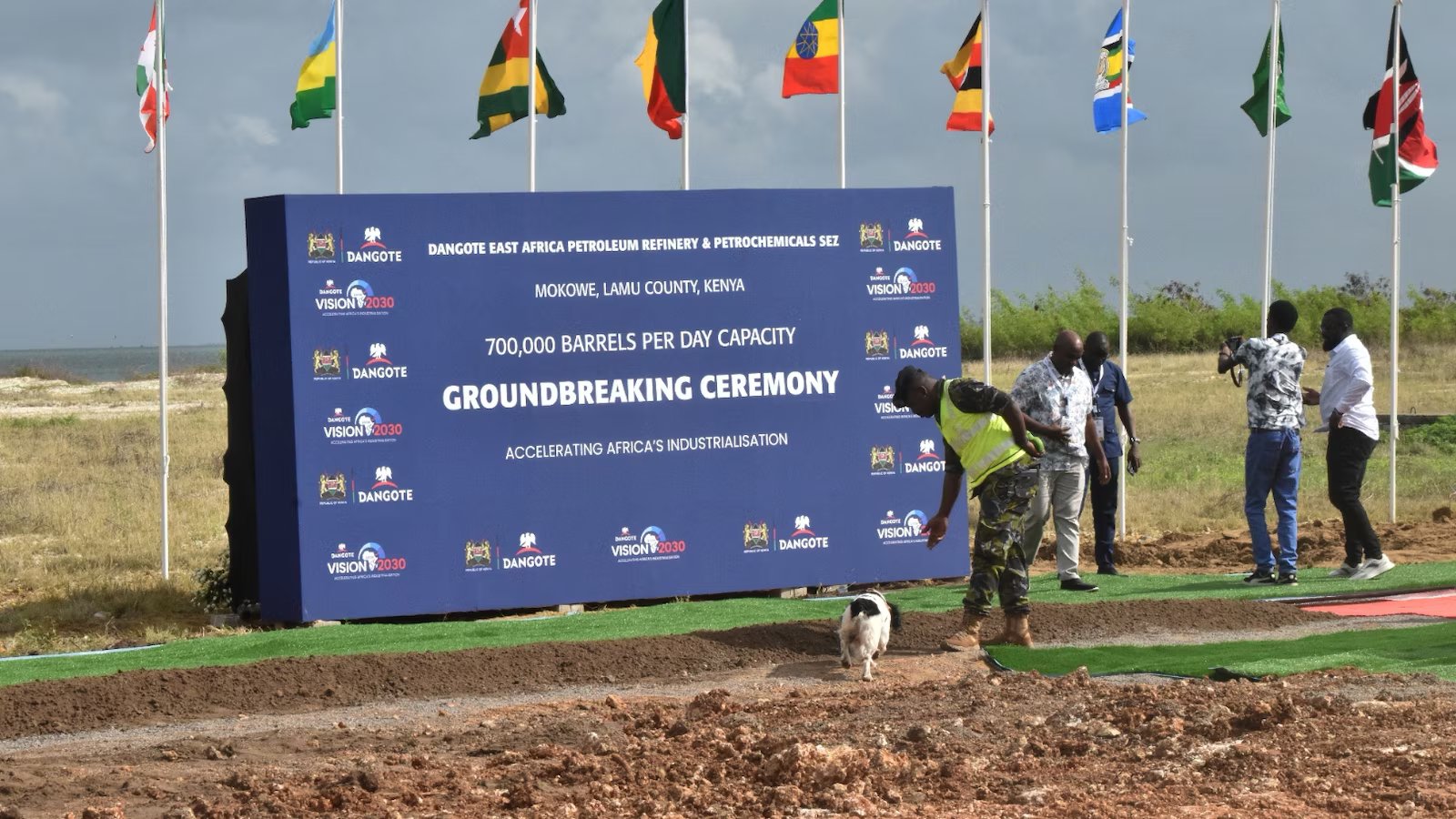








KAMPALA — In a historic display of regional economic ambition, five African heads of state gathered today to break ground on a transformative $16 billion (£12 billion) oil refinery project, signaling a pivotal shift in the continent’s strategy to control its own natural resources.
The project, which represents one of the largest infrastructure investments in East African history, is designed to process raw crude oil into high-value finished products. For decades, many African nations have exported raw commodities only to re-import expensive refined fuel from global markets. This refinery aims to dismantle that dependency, bolstering regional self-sufficiency and insulating local economies from the volatility of international supply chains.
Presidents from across the East African Community stood alongside industry leaders at the site, wielding ceremonial shovels to mark the commencement of construction. Speaking at the event, regional leaders emphasized that the facility is more than just an industrial complex; it is a declaration of economic independence.
“For too long, we have exported our wealth and imported our poverty,” said one head of state during the ceremony. “This project is a clear signal that the time for processing our own resources on our own soil has come. We are moving from being raw material providers to becoming masters of our industrial destiny.”
The refinery is expected to create thousands of jobs, ranging from high-skilled engineering positions to logistical and service-sector roles. Beyond immediate employment, the project is slated to anchor a new industrial corridor, fostering auxiliary industries such as petrochemical manufacturing, plastics, and fertilizer production. Analysts suggest that by curbing the need for fuel imports, the refinery will also significantly improve the trade balances of participating nations and stabilize domestic energy prices.
However, the project is not without its challenges. Environmental advocacy groups have already raised concerns regarding the carbon footprint of such a massive fossil fuel investment, calling for greater transparency on how the project aligns with the continent’s long-term green energy goals. In response, project developers have pledged to implement “next-generation” emission-capture technologies and ensure strict adherence to international environmental safety standards.
Financing for the $16 billion venture involves a complex consortium of sovereign wealth funds, private equity investors, and multilateral development banks. Construction is expected to span several years, with the first phase of production projected to come online by 2028.
As the ceremony concluded, the atmosphere remained one of cautious optimism. For a continent seeking to decouple its growth from the whims of foreign markets, the refinery stands as a towering monument to the promise of “made in Africa” solutions. Whether this colossal gamble pays off in sustained regional prosperity remains to be seen, but today’s gathering marks an undeniable turning point in the continent’s industrial evolution.
Disclaimer: This content is auto-generated for informational purposes only.
Source: Read Original News