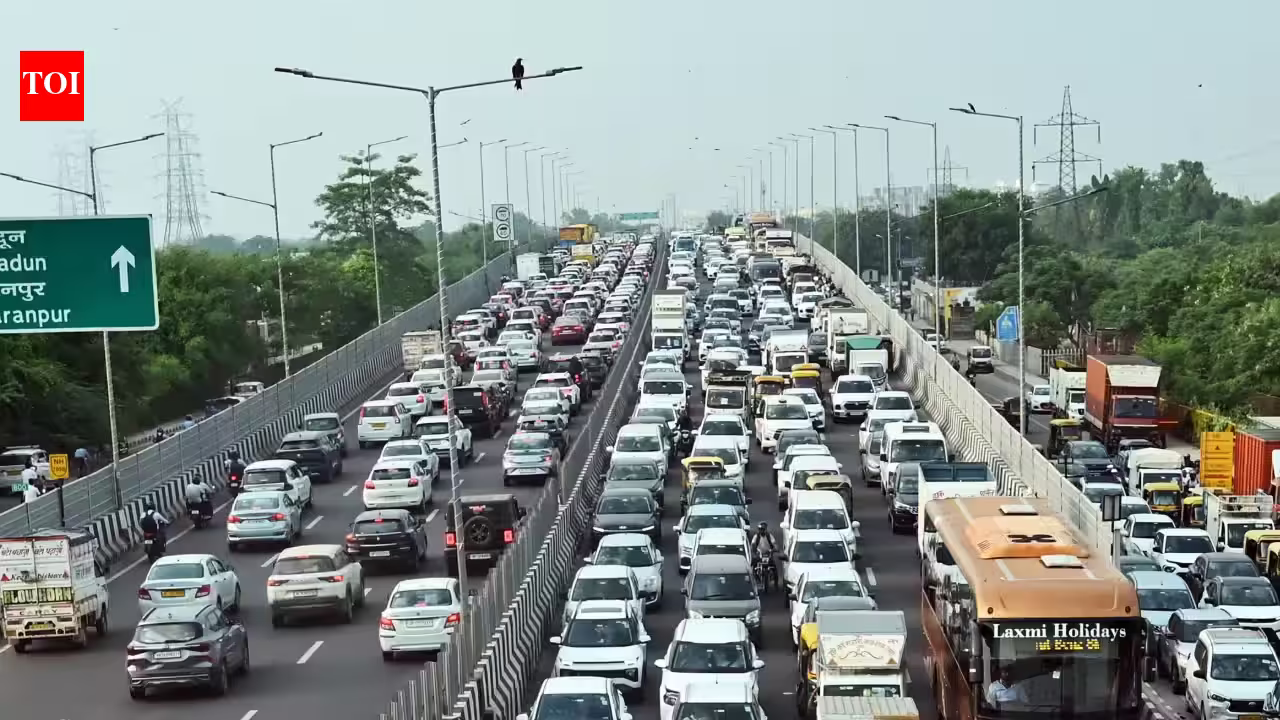










The landscape of the Indian automotive sector is undergoing a profound regulatory transformation as the Ministry of Power introduces the Corporate Average Fuel Economy (CAFE-III) norms. Scheduled to take effect from April 1, 2027, and extending through March 31, 2032, this framework represents a pivotal shift in how the government governs emissions and fuel efficiency for passenger vehicles. By replacing static targets with a dynamic, credit-based system, India is aligning its domestic manufacturing standards more closely with global sustainability mandates while providing domestic original equipment manufacturers (OEMs) with the necessary flexibility to transition toward cleaner propulsion systems.
Strategic Framework for Fuel Efficiency
At the core of the CAFE-III regulations is a sophisticated mathematical approach to tracking fuel consumption. The Annual Average of Actual Fuel Consumption is now calculated in petrol-equivalent litres per 100 kilometres, utilizing the Modified Indian Driving Cycle (MIDC). This methodology relies on the weighted average unladen mass of a manufacturer’s fleet, indexed against a fixed constant. Crucially, the constants and multipliers used to define these targets will see a systematic decline over the five-year duration of the policy. This incremental tightening of standards forces manufacturers to continuously innovate, ensuring that the average fuel efficiency of their entire fleet improves annually to meet the government-mandated thresholds.
The policy architecture is divided into two distinct compliance blocks, beginning in FY 2027-28 and FY 2030-31, respectively. This staging allows for a medium-term adjustment period, acknowledging the lengthy product development cycles inherent in the automotive industry. By establishing a passbook system to track credits and debits, the government has created a ledger-based accountability mechanism. If a manufacturer exceeds its efficiency targets, it earns credits; if it fails to meet them, it accrues debits. This transparent reporting structure provides clarity for both the regulator and the industry, facilitating a performance-based assessment of India’s fleet modernization.
Market Flexibility and Credit Trading Mechanisms
One of the most significant aspects of the CAFE-III regime is the introduction of a credit trading mechanism, which provides a financial incentive for efficiency. Manufacturers are permitted to pool their credits, allowing for internal optimization across their various brands or subsidiaries. Furthermore, companies that have exceeded their fuel-efficiency targets can trade or exchange these credits with other OEMs under mutually agreed terms. This market-driven approach acknowledges that different manufacturers operate with varying product portfolios, ranging from high-volume small cars to luxury segments.
For those unable to meet the requirements, the policy offers an alternative: purchasing credits from the Bureau of Energy Efficiency. The cost of these credits is designed to rise steadily, from Rs 2,500 per unit in the first year to Rs 4,500 by the final year of the mandate. This increasing price signal serves as a powerful deterrent against non-compliance, effectively putting a price on carbon and inefficiency. By restricting trading to a specific 30-day window in October, the regulator ensures a structured and predictable assessment period, minimizing market volatility.
Incentivizing Cleaner Propulsion and Alternative Fuels
To accelerate the adoption of advanced technologies, the CAFE-III norms utilize “super credits” and Carbon Neutrality Factors (CNF). These are designed to reward manufacturers that lean into electric, hybrid, and flex-fuel vehicles. Battery electric vehicles (BEVs) and range-extended electric vehicles are granted a factor of 3.0, significantly boosting their weight in a manufacturer’s average efficiency calculation. Strong hybrids receive a factor of 1.6, while plug-in hybrids and flex-fuel hybrids gain a factor of 2.5. These multipliers act as a powerful catalyst, effectively lowering the barrier for entry for manufacturers to aggressively pivot their sales mix toward electrified and cleaner options.
The inclusion of the Carbon Neutrality Factor further acknowledges the role of alternative fuels in the energy transition. Vehicles running on E20 (ethanol-blended petrol) or higher, as well as those utilizing compressed natural gas (CNG), benefit from specific discounts on their tailpipe CO2 emission declarations. By providing an 8 percent discount for blended fuels and up to 22.3 percent for dedicated flex-fuel vehicles, the policy incentivizes the development of engine technologies that move beyond traditional internal combustion engines. This approach aligns with broader national objectives to reduce dependency on imported fossil fuels and leverage India’s growing ethanol production infrastructure.
Technological Integration and Industry Compliance
Recognizing that efficiency is not derived solely from the engine, the new regulations offer credits for specific fuel-saving technologies. Manufacturers can claim derogations for integrating components such as start-stop systems, regenerative braking, low-rolling-resistance tires, and even advanced glazing or solar-reflective paint. These credits, capped at a specific limit of 9.0 g CO2/km, encourage the adoption of incremental technological improvements that yield meaningful real-world fuel savings.
The certification of these technologies will evolve alongside the policy timeline. While the initial phase allows for self-declaration of efficiency gains, the second block of the policy mandates validated test results. This requirement ensures that the industry matures alongside its technology, moving from theoretical projections to empirically verified savings. The government has also mandated that manufacturers report performance under both the existing MIDC and the more rigorous Worldwide Harmonised Light Vehicles Test Procedure (WLTP). This dual-reporting requirement ensures that the Indian industry is incrementally aligning with international performance standards, fostering greater competitiveness in the global export market.
Impact on Small-Volume Manufacturers and Future Outlook
The regulatory framework is not intended to stifle niche players. Manufacturers producing or importing fewer than 1,000 units annually remain exempt from the core emission targets, although they must still report their fuel consumption. This provision ensures that high-end performance brands and boutique vehicle makers are not penalized for lower-volume output, which often carries different engineering requirements.
As the industry moves toward 2032, the combined effect of these policies is expected to be a significant reduction in the national fleet’s carbon footprint. By integrating credit markets, rewarding technological innovation, and providing clear pathways for biofuel and electric adoption, the government is creating a predictable environment for long-term capital expenditure. For Indian OEMs, the message is clear: the future of the automotive market is tied inextricably to efficiency. Success under CAFE-III will be determined by a company’s ability to balance its portfolio between high-volume legacy platforms and a growing, high-incentive segment of electric and hybrid models, all while navigating the complexities of the new carbon-linked credit economy.
Disclaimer: This content is auto-generated for informational purposes only.
Source: Read Original News