







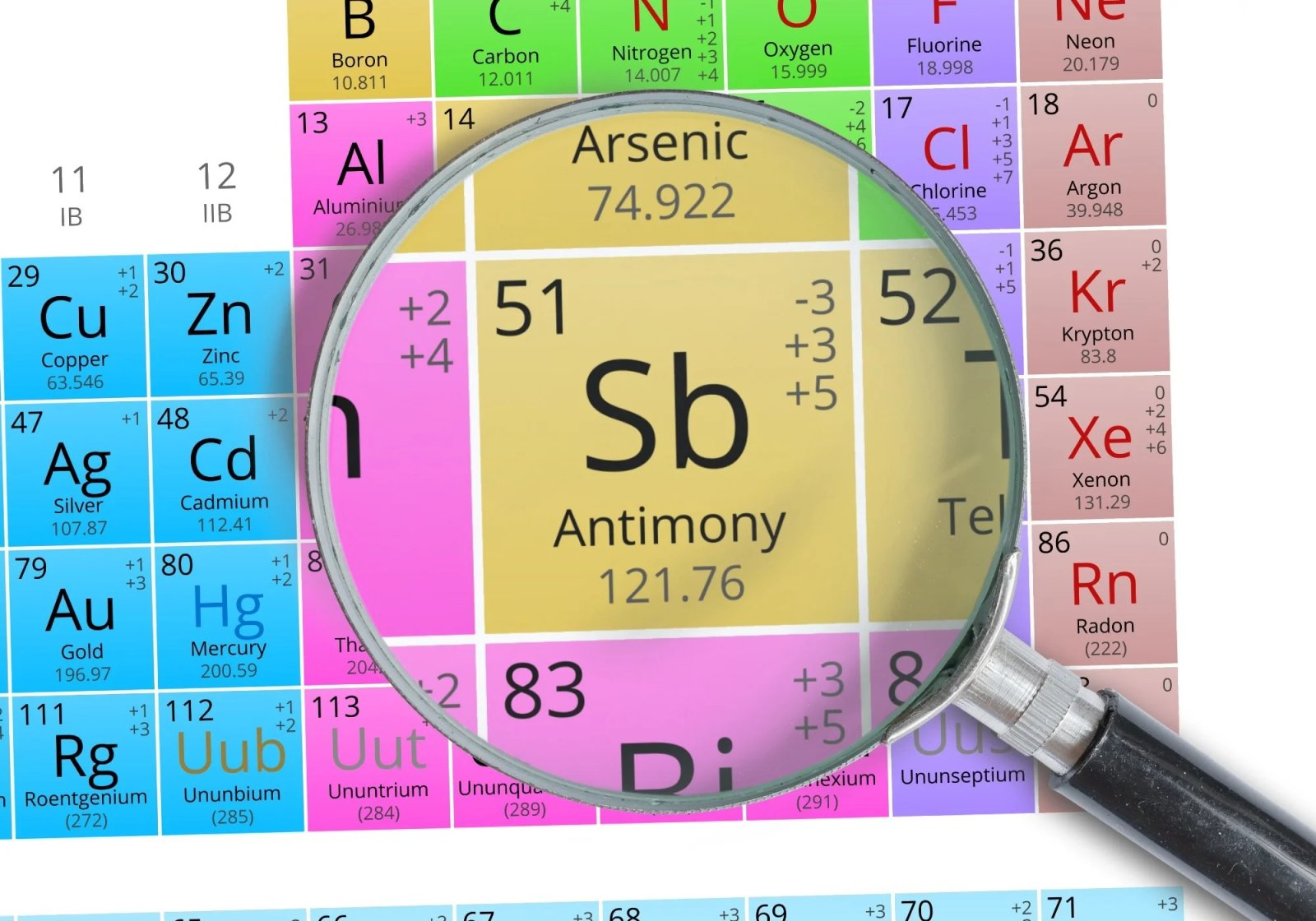
Antimony, a brittle, silver-gray metalloid, has evolved from an ancient cosmetic ingredient into a cornerstone of modern industrial technology. Today, this critical resource is indispensable to the production of flame-retardant plastics, lead-acid batteries, photovoltaic glass for solar panels, and a vast array of defense equipment, including armor-piercing ammunition and infrared sensors. However, as global reliance on this element intensifies, it presents a complex dual challenge: a fragile, highly concentrated supply chain and a significant, often overlooked, environmental footprint.
The current supply chain is defined by its extreme geographical concentration. With global mine output hovering around 110,000 metric tons annually, approximately 85% of production is sourced from just three nations: China, Russia, and Tajikistan. This concentration has turned the mineral into a geopolitical flashpoint. When China introduced export licensing requirements for antimony in August 2024—followed by a total ban on exports to the United States later that year—the global market faced immediate instability. Prices soared from less than $10 per pound in mid-2024 to $27.50 by mid-2025. For the United States, which had allowed its domestic mining sector to wither following the environmental regulatory shifts of the 1970s, the shock underscored a vulnerability in national security, prompting an urgent push to restart domestic extraction projects in states like Montana and Idaho.
This resurgence in mining activity raises immediate environmental concerns. Antimony is a pervasive pollutant, with human activities—primarily mining and smelting—releasing up to 47 million kilograms of the metalloid into the environment annually. Once released, antimony does not simply vanish; it accumulates in soils and water systems. Research indicates that 72% of soil samples taken from global mining and smelting sites exceed the World Health Organization’s safety limit of 36 mg/kg. In extreme cases, such as the historic smelter at Endeavor Inlet in New Zealand, concentrations have reached 80,000 mg/kg, effectively sterilizing the local soil and decimating microbial diversity, which is essential for healthy ecosystem function.
The environmental threat extends to human health through the food chain. Antimony’s mobility in soil depends on its chemical form; the trivalent form, Sb(III), is particularly prone to uptake by plant roots. This is especially concerning in agricultural settings, such as flooded rice paddies, where anaerobic conditions can increase the availability of toxic antimony. Studies have found high concentrations of the metal in various crops, including peanuts. When consumed, human exposure to excessive antimony can lead to severe damage to the liver, heart, and nervous system, as the metal binds to sulfhydryl groups in essential proteins.
Addressing this crisis requires a sophisticated balance between securing industrial supply and enforcing environmental safety. While new mining ventures are being explored to meet the demands of the green energy transition and defense, they carry the burden of modern sustainability obligations. Experts suggest that simply applying general mining regulations is insufficient, as antimony sites are often contaminated with complex mixtures of arsenic and lead.
Remediation strategies are beginning to show promise. Innovative approaches, such as iron-based soil stabilization and the use of phytoremediation—employing tolerant plants like Pteris vittata to draw metals from the ground—are gaining traction. Furthermore, the discovery of specific bacteria, such as Cupriavidus and Bacillus species capable of oxidizing and immobilizing antimony, provides a potential biological toolkit for site cleanup.
Ultimately, the path forward requires a transition toward harmonized international standards. Currently, environmental thresholds for soil contamination vary wildly between nations—ranging from 20 mg/kg in Canada to 250 mg/kg in parts of France. Establishing standardized, science-based limits focused on bioavailability, coupled with long-term monitoring of water and crop safety, is essential. As the global economy continues to depend on the unique properties of antimony, the mining industry must prove that it can support the technological progress of the future without sacrificing the health of the land and the communities it serves today.
Disclaimer: This content is auto-generated for informational purposes only.
Source: Read Original News