






Delhi’s Air Quality Dips into Moderate Category Amid Rising Stubble Burning Incidents
New Delhi: The national capital’s air quality experienced a decline on Wednesday, shifting into the ‘moderate’ category after enjoying five consecutive days of ‘satisfactory’ air. According to the Central Pollution Control Board (CPCB), Delhi recorded an Air Quality Index (AQI) of 129, signaling a potential early warning for the city’s air quality trends as winter approaches.
The shift in air quality coincides with an uptick in agricultural residue burning across northern India. Data released by the ICAR-Indian Agricultural Research Institute (IARI) identified 19 separate stubble-burning incidents across six key states on Wednesday. Specifically, seven cases were reported in Punjab, seven in Uttar Pradesh, four in Madhya Pradesh, and one in Haryana.
The Growing Concern of Farm Fires
Satellite monitoring indicates that between September 15 and September 30, a total of 114 instances of crop residue burning were logged across the region. Punjab remains the primary contributor with 59 recorded events, followed by Uttar Pradesh (32), Madhya Pradesh (17), Haryana (3), Rajasthan (2), and Delhi (1).
Farmers traditionally resort to burning stalks and stubble to clear their fields quickly to accommodate the upcoming sowing season for wheat and vegetables. While this practice offers a swift solution for agricultural land preparation, it poses a significant environmental challenge for Delhi, which frequently struggles with severe smog and hazardous air quality during the winter months.
Meteorological Outlook and Dispersion
Local monitoring stations underscore the localized nature of the pollution. While the majority of the city’s 45 monitoring stations recorded moderate levels, the station at IIT Delhi reported a ‘poor’ AQI of 207 as of 6:00 pm.
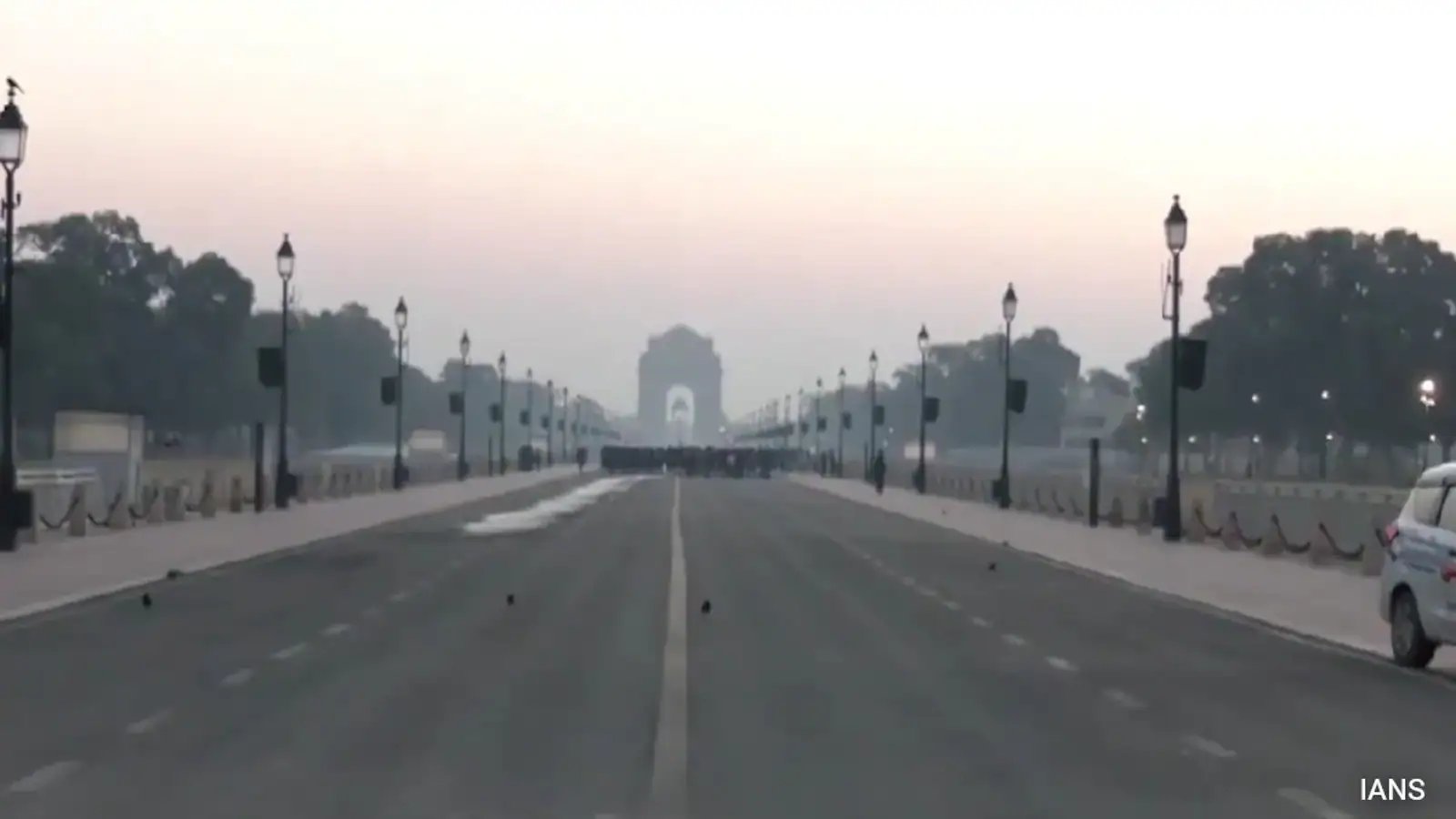
The Air Quality Early Warning System suggests little relief in the immediate future, with the city expected to remain in the moderate category through October 9. Meteorological conditions are currently viewed as unfavorable for the dispersion of pollutants. The ventilation index is projected to stay below 6,000 square metres per second, accompanied by average wind speeds of less than 10 kmph, which trap particulates close to the ground.
Weather Patterns in the Capital
Delhi continues to experience fluctuating temperatures as it transitions into the cooler season. On Wednesday, the Safdarjung observatory, which serves as the city’s baseline, recorded a maximum temperature of 34.2 degrees Celsius—slightly cooler than the seasonal norm.
The minimum temperature at Safdarjung settled at 22.4 degrees Celsius. Other parts of the city showed varying thermal patterns, with the Ridge recording a low of 18.8 degrees Celsius, while Palam and Lodi Road registered minimums of 21.0 and 21.6 degrees Celsius, respectively. Despite the temperature variations, the city remained dry with no rainfall recorded in the 24 hours leading up to Wednesday morning. As meteorological conditions remain stagnant, authorities are closely monitoring the impact of farm fires on the city’s overall health index in the coming days.
Disclaimer: This content is auto-generated for informational purposes only.
Source: Read Original News