








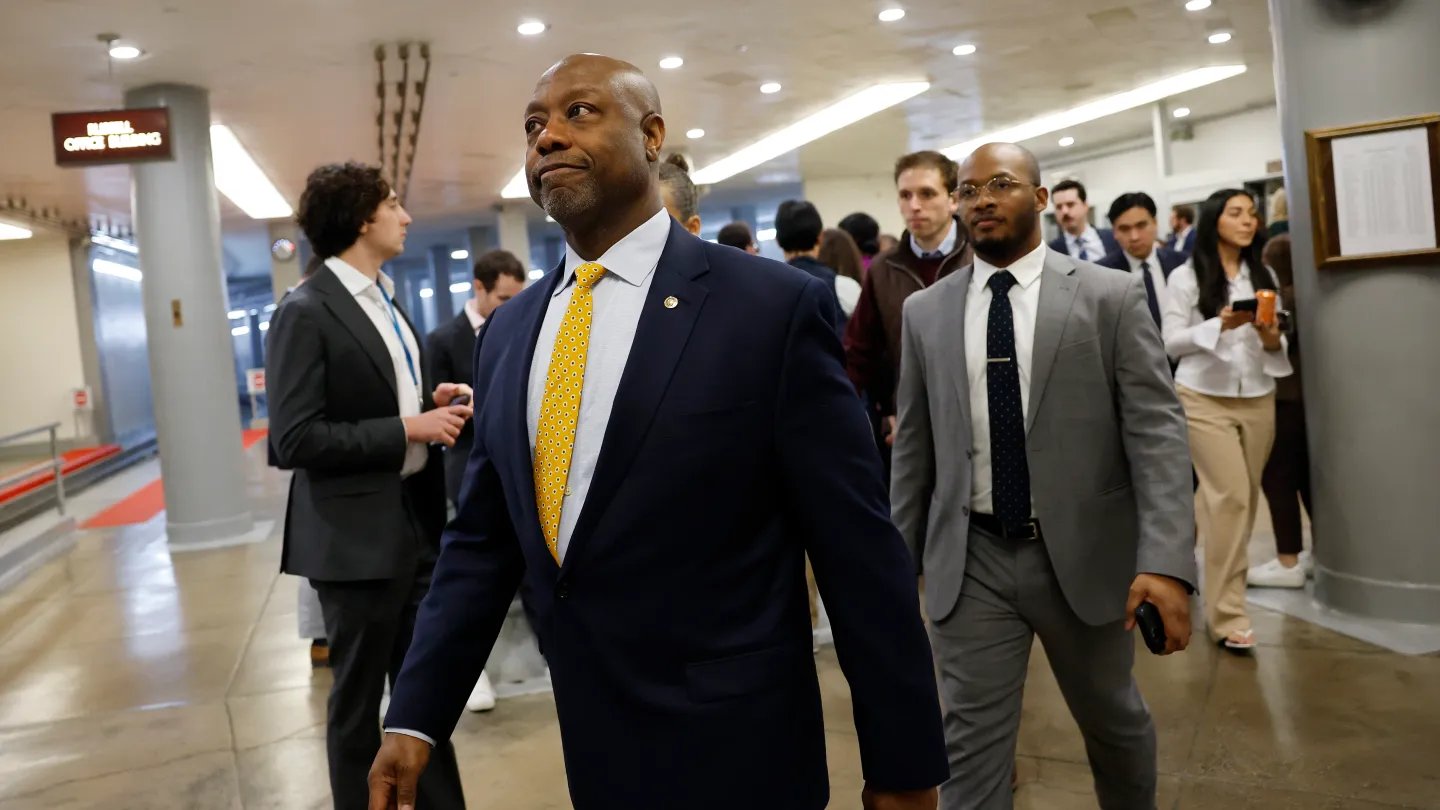
Sen. Tim Scott (R-SC) is turning to the power of cinema to advocate for a legislative shift in federal economic policy. By championing a new bipartisan federal film and television tax incentive alongside Sen. Adam Schiff (D-CA), Scott is looking to transform South Carolina into a major production hub, arguing that the bill is a vital engine for job creation and a vehicle for exporting American values.
The Case for Hollywood’s “Magic Sauce”
Scott’s push for the tax credit is rooted in a desire to help states like South Carolina compete with production powerhouses like Georgia and Louisiana. The proposed federal legislation would provide a 20 percent base credit on labor costs, which could be stacked with existing state-level incentives.
Beyond the economics, Scott frames the effort through a deeply personal lens. Recalling his youth working at a North Charleston movie theater, he spoke fondly of his regular habit of taking notes on films he finds profound, such as Schindler’s List. He recently highlighted the 2003 film Radio—which was shot in South Carolina—as an example of the kind of storytelling that emphasizes human dignity and compassion. By incentivizing production in rural and disaster-impacted regions, Scott believes the bill will support local economies, emphasizing that the tax benefits are aimed at the crew members and small businesses that support the industry, rather than just the high-earning stars.
Navigating Political Pushback and Tech Trends
The legislative path forward is not without its hurdles. Despite the bipartisan nature of the bill, it has encountered resistance from conservative publications like The Wall Street Journal and the National Review, which characterize the plan as a “Hollywood bailout.” Critics argue the policy primarily serves wealthy studio owners and struggling unions rather than providing a net benefit to taxpayers.
To counter these concerns, proponents are increasingly framing film production as a strategic industry that aligns with broader national interests. Scott suggested that incentivizing domestic production allows for a diverse range of American voices and perspectives to be shared globally, a point designed to resonate with conservatives wary of the cultural output currently flowing from major studios.
Digital Transformation and Production Growth
The effort to expand the domestic film industry comes at a time when technology is fundamentally reshaping how content is consumed and produced. While traditional physical set locations remain vital—as evidenced by the “Discover South Carolina” pop-up at Grand Central Terminal—the broader entertainment landscape is increasingly influenced by AI-driven distribution models, advanced digital rendering, and global streaming platforms.
Scott’s focus on the economic footprint of film highlights a transition toward viewing media production as a legitimate infrastructure project. By targeting “opportunity zones”—a designation Scott himself pioneered in the 2017 Tax Cuts and Jobs Act—the bill aims to marry place-based economic development with the modern media economy. As lawmakers look toward post-election sessions, the challenge will be to prove that the bipartisan appeal of “loving movies” is enough to secure the floor time necessary to push the tax credit into law. Whether or not the bill gains traction, the initiative signals a growing recognition among politicians that the intersection of technology, entertainment, and federal tax policy is becoming a key battleground for local economic survival in the modern era.
Disclaimer: This content is auto-generated for informational purposes only.
Source: Read Original News