









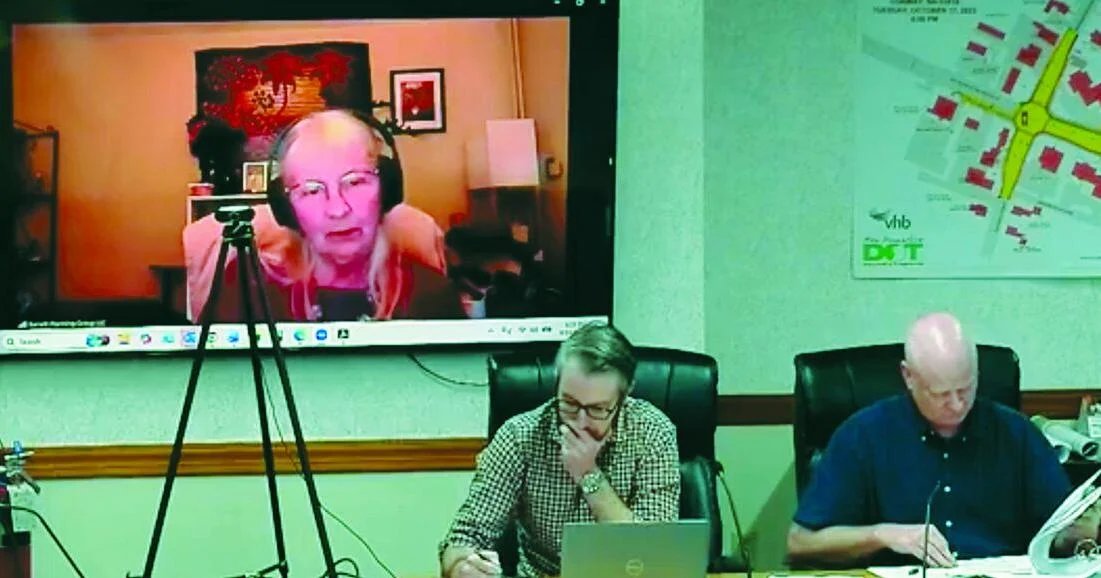
CONWAY — As the Conway Planning Board prepares for a pivotal community information session later this month, the intersection of local governance and the rapidly evolving technological landscape has moved to the forefront of municipal discourse. During their September 24 meeting, board members shifted their focus toward crafting a modernized version of zoning and development guidelines, reflecting a broader national trend where small towns are increasingly looking to digital infrastructure and artificial intelligence to streamline administrative efficiency.
## The Digital Transformation of Municipal Planning
The push for updated zoning frameworks in Conway comes at a time when municipalities nationwide are racing to integrate advanced software to handle complex land-use data. The Planning Board’s ongoing efforts are not merely about revising physical layouts; they represent a transition toward data-driven governance. By leveraging cloud-based platforms and intuitive mapping tools, the board hopes to move away from the traditional, paper-heavy bureaucratic models that have long plagued local government.
This modernization effort mirrors the advancements seen in global tech ecosystems, particularly those championed by major players like Google. Just as Google has streamlined how users navigate vast amounts of information through its Workspace and Cloud AI integrations, local boards are seeking to create “digital twins” of their town’s development zones. These virtual models allow planners to simulate the impact of new construction, traffic patterns, and environmental stressors, providing a level of foresight that was once impossible without significant consulting costs.
## AI and Data-Driven Decision Making
A recurring theme during the September session was the potential for AI-assisted tools to help board members interpret historical property data. As the town manages increasing pressure from developers, the ability to rapidly parse through years of zoning variances and environmental impact assessments has become critical. In the same way that Google’s Gemini AI has begun to synthesize complex enterprise documents for corporate efficiency, local officials are exploring how similar machine learning models could flag potential zoning conflicts before they reach the public hearing stage.
While the Planning Board remains committed to maintaining the character of the Conway community, members noted that the integration of AI is not intended to replace human judgment. Instead, it serves as a digital assistant, removing the burden of repetitive administrative tasks. This approach reflects a broader industry consensus: technology is most effective when it empowers human experts to focus on the nuances of community impact rather than the minutiae of filing systems.
## Navigating the Future of Information Sharing
The upcoming community session represents the board’s attempt to foster transparency through digital accessibility. In an era where information is expected to be available instantaneously, the board is looking toward centralized portals that offer residents a comprehensive look at proposed projects. By mirroring the user experience design principles found in high-traffic Google products—such as simplified searchability and interactive visual interfaces—the town aims to increase civic participation.
Providing residents with clear, interactive maps and automated alerts regarding zoning changes ensures that the planning process is no longer a “black box.” As the board refines its information strategy, the challenge remains balancing these high-tech solutions with the traditional, face-to-face community dialogues that define Conway’s town-meeting culture. The transition to a “smarter” planning board is not just about adopting software; it is about establishing a sustainable communication loop between the town’s administrators and the constituents they serve.
As the September 24 meeting concluded, the board’s message was clear: the future of local government is tethered to the ability to adapt. By embracing modern data tools, the Conway Planning Board is positioning itself to handle the complexities of future growth with the same precision and efficiency that drives the modern tech sector. The upcoming community session will be the ultimate litmus test for this digital-first approach to local advocacy.
Disclaimer: This content is auto-generated for informational purposes only.
Source: Read Original News