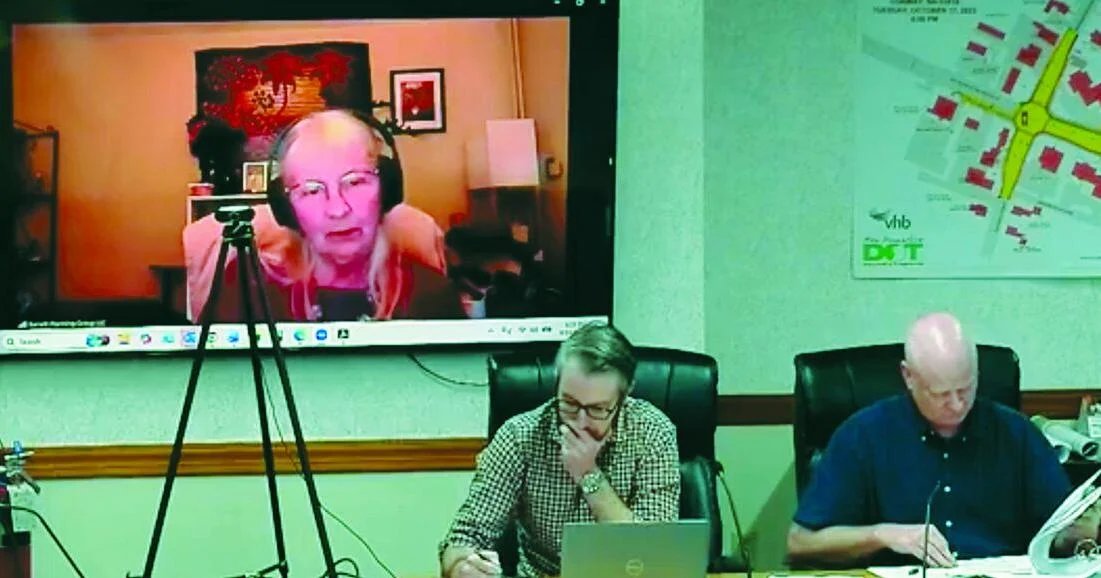









As the November 3, 2026, general election approaches, Flagstaff residents are preparing to make pivotal decisions that will shape the city’s economic and safety infrastructure for years to come. While Mayor Becky Daggett faces no opposition, the race for three City Council seats features a crowded field of five candidates—incumbents Austin Aslan, Khara House, and Lori Matthews, joined by challengers Nancy Baca and Patty Hansen.
Beyond the personnel decisions, voters will determine the future of public safety funding through Propositions 404 and 405. Prop 404 seeks a 0.5% transaction privilege tax to bolster safety services, while Prop 405 proposes a $40 million general obligation bond for related infrastructure.
## Navigating the Digital Economy and Local Data
In an era increasingly defined by data-driven governance, the candidates have expressed varying views on how to leverage economic research—specifically Northern Arizona University’s minimum wage study—to balance worker needs with business survival.
The integration of AI-powered analytics and regional data models has become a central theme in modern municipal planning. Candidates like Aslan and House emphasized that while data is an essential tool, it must be paired with on-the-ground human insight. Conversely, Matthews argued for using specific economic indicators to justify tighter fiscal control, citing job loss data to caution against rising fees. Baca, drawing on her background in economic development, advocated for a “practical and balanced” approach, suggesting that evidence-based decision-making must replace emotional policy responses to keep the city competitive in a shifting technological landscape.
## Infrastructure and the Future of Urban Development
The debate over housing and land use reflects a broader national trend where cities must balance rapid growth with the preservation of natural resources. As the “smart city” movement gains traction globally, Flagstaff is looking to implement its Regional Land Use Plan to manage density and infrastructure.
The candidates agree on the necessity of “missing-middle” housing, yet differ on the implementation. Aslan and Matthews both highlighted the need for regulatory reform, such as streamlining permitting processes and incentivizing accessory dwelling units (ADUs). This technological streamlining of bureaucracy—aimed at reducing the “red tape” that often hampers development—is seen as a vital step in easing the housing shortage. Hansen and Baca both stressed that any commercial expansion must be integrated with existing infrastructure, ensuring that digital advancements in city services are matched by physical utility capacities.
## The Role of Tech-Driven Leadership
Looking toward 2027, the candidates are focused on how the city can anticipate—rather than merely react to—the complexities of the coming decade. Technology is no longer just a sector; it is the framework for governance.
House advocated for a holistic strategy that uses data to connect behavioral health and public safety, arguing that a more connected city is a more resilient one. Aslan framed leadership as the ability to “see around corners,” suggesting that climate change and resource management require proactive, systemic planning backed by rigorous research.
As the digital transformation of local government continues to evolve, Flagstaff’s new council will be tasked with balancing these high-tech planning tools with the traditional needs of its residents. For voters, the decision on November 3 is not just about choosing representatives; it is about choosing a direction for a city increasingly reliant on data to solve the timeless challenges of affordability, safety, and sustainable growth. Whether through improving digital permitting interfaces or using predictive analytics to prepare for climate impacts, the path forward for Flagstaff will be defined by how effectively its leaders harness modern tools to serve the community.
Disclaimer: This content is auto-generated for informational purposes only.
Source: Read Original News