






The Unspoken Fallout: Aishwarya Rai and the Shadow of the ‘Chalte Chalte’ Controversy
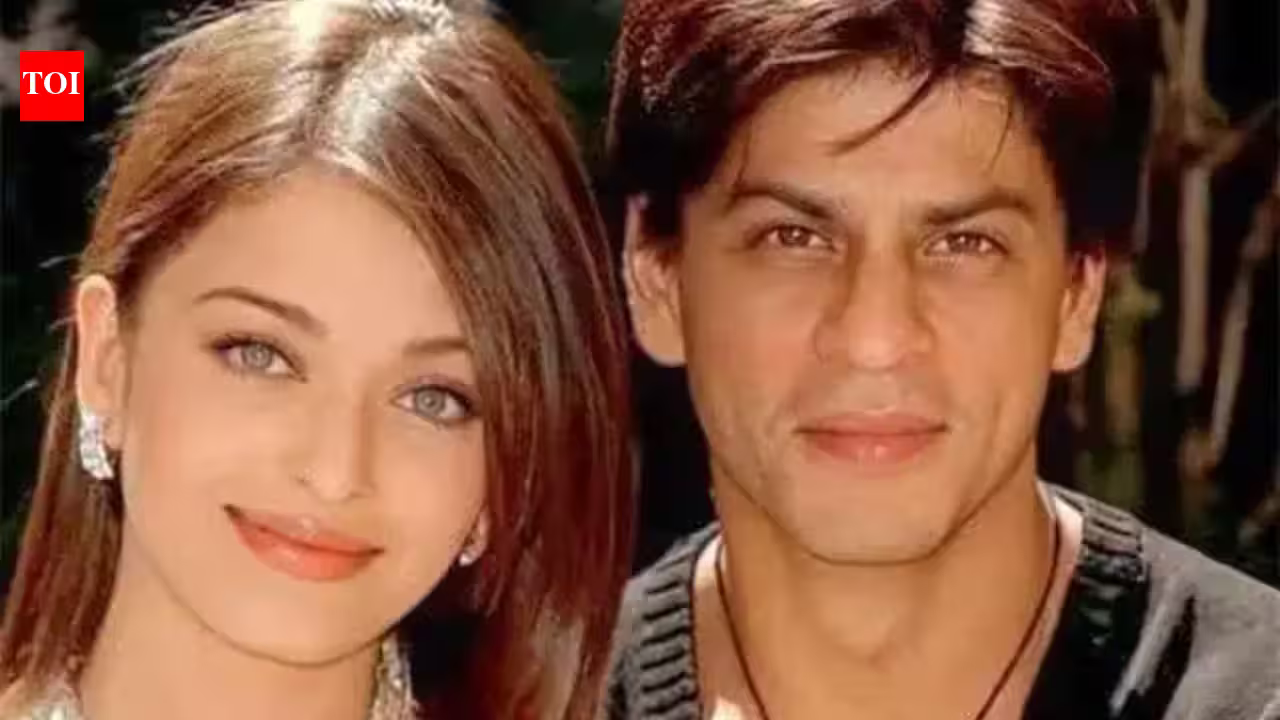
In the glittering, often volatile world of Bollywood, the intersection of personal life and professional commitments has always been a high-stakes arena. Few stories capture the complexity of this dynamic quite like the mid-2000s rift between two of Indian cinema’s biggest titans: Aishwarya Rai Bachchan and Shah Rukh Khan. For years, the industry whispered about the “missing” films—the high-profile projects that promised the world a pairing of A-list chemistry, only to see the leading lady unceremoniously dropped.
At the center of this storm was Chalte Chalte (2003), a film that was supposed to solidify the creative partnership between Aishwarya and Shah Rukh’s production house, Dreamz Unlimited. Instead, it became the flashpoint for a narrative of confusion, hurt, and, eventually, a professional silence that lasted for over a decade.
A Career Crossroads: When Projects Simply Vanished
The early 2000s saw Aishwarya Rai riding a crest of international acclaim and domestic dominance. She and Shah Rukh had already established a formidable onscreen rhythm in films like Josh, Mohabbatein, and the magnum opus Devdas. However, the professional alignment began to fracture under the weight of external pressures.
Reports from that era consistently pointed to the brewing turbulence in Aishwarya’s personal life with Salman Khan. The industry was rife with rumors that Salman’s frequent, often disruptive, visits to the sets of Chalte Chalte had created an untenable working environment for the producers. While these accounts have remained largely in the realm of hearsay, the result was concrete: Aishwarya, the original choice for the lead, was replaced by Rani Mukerji.
For the actress, the suddenness of the exit was jarring. As she famously recounted to Simi Garewal during her appearance on Rendezvous, the lack of communication was the most baffling aspect of the entire ordeal. “How can I have the answer to that?” she asked, reflecting on how, one by one, the films she was slated to do with Shah Rukh simply ceased to be.
The Silence of the Star: Processing Hurt with Dignity
Perhaps the most revealing insight into Aishwarya’s character during this tumultuous period is her reaction to the professional sidelining. In an industry where public outbursts and PR wars are common, she chose a path of measured restraint.
When asked if she felt betrayed by the decision—which affected not just one, but reportedly five potential projects—she maintained a posture of profound grace. “It’s not in my nature to question someone for this,” she explained. “If a person feels a need to explain it, they will. If they never did, they never intend to.”
For Aishwarya, the hurt was real, but it was internal. She admitted to being “completely taken aback” and “confused,” yet she possessed the professional maturity to keep her focus on the horizon. By her own account, she was never left stranded; she remained a woman in demand. This refusal to dwell on the “why” or to seek an apology for the sake of optics arguably shielded her from the messy, tabloid-fuelled aftermath that could have derailed a less resilient career.
Shah Rukh Khan’s Admission: The Burden of a Producer
While Aishwarya remained tight-lipped, Shah Rukh Khan eventually offered a more transparent, albeit defensive, perspective on the matter. Years later, in interviews that have since become digital archives for film buffs, the “King of Bollywood” admitted that the decision to replace Aishwarya was a point of deep professional regret.
In a 2003 interview with India Today, he acknowledged the ethical weight of the situation, stating, “To start a project with someone and then change her for no fault of hers is very difficult. It is very sad as Ash is a good friend. Personally, I think I did wrong.”
However, he also pulled back the curtain on the harsh realities of film production. As a partner in Dreamz Unlimited, he wasn’t operating in a vacuum. He spoke of the “collective decision” involving partners like UTV, noting that their production house was struggling financially at the time. “As a producer, my hands were tied,” he explained. It was a rare glimpse into the conflict between personal loyalty and the cold, hard logic of the box office.
Reconciliation: The ‘Ae Dil Hai Mushkil’ Chapter
Time, as they say, is the great healer, even in the hyperbolic landscape of Hindi cinema. The long, silent gap between the two stars was finally bridged in 2016 with Karan Johar’s Ae Dil Hai Mushkil.
Seeing Aishwarya and Shah Rukh share the screen again—albeit in a shorter, more nuanced capacity—felt like a resolution to a decade-old narrative. It allowed both actors to transcend the baggage of the early 2000s and move forward as seasoned professionals who had grown through the fire of experience.
The Lesson of the ‘Chalte Chalte’ Fallout
Looking back at the Aishwarya-Shah Rukh saga, it stands as a poignant study of the collision between the personal lives of stars and their professional output. It highlights how rumors, external pressures, and the cold pressures of film financing can dismantle relationships that, on paper, seemed destined for success.
Most importantly, the story serves as a testament to the power of professional detachment. Aishwarya Rai Bachchan never needed to seek an apology or win an argument to remain one of India’s most iconic performers. She allowed her work to be her only response, proving that in an industry that demands constant engagement, sometimes the most powerful move is to keep your own counsel and simply move on. For both stars, the ‘Chalte Chalte’ controversy remains a footnote—a reminder that even the brightest careers have shadows, and how you navigate them often defines your legacy more than the hits you deliver.
Disclaimer: This content is auto-generated for informational purposes only.
Source: Read Original News