





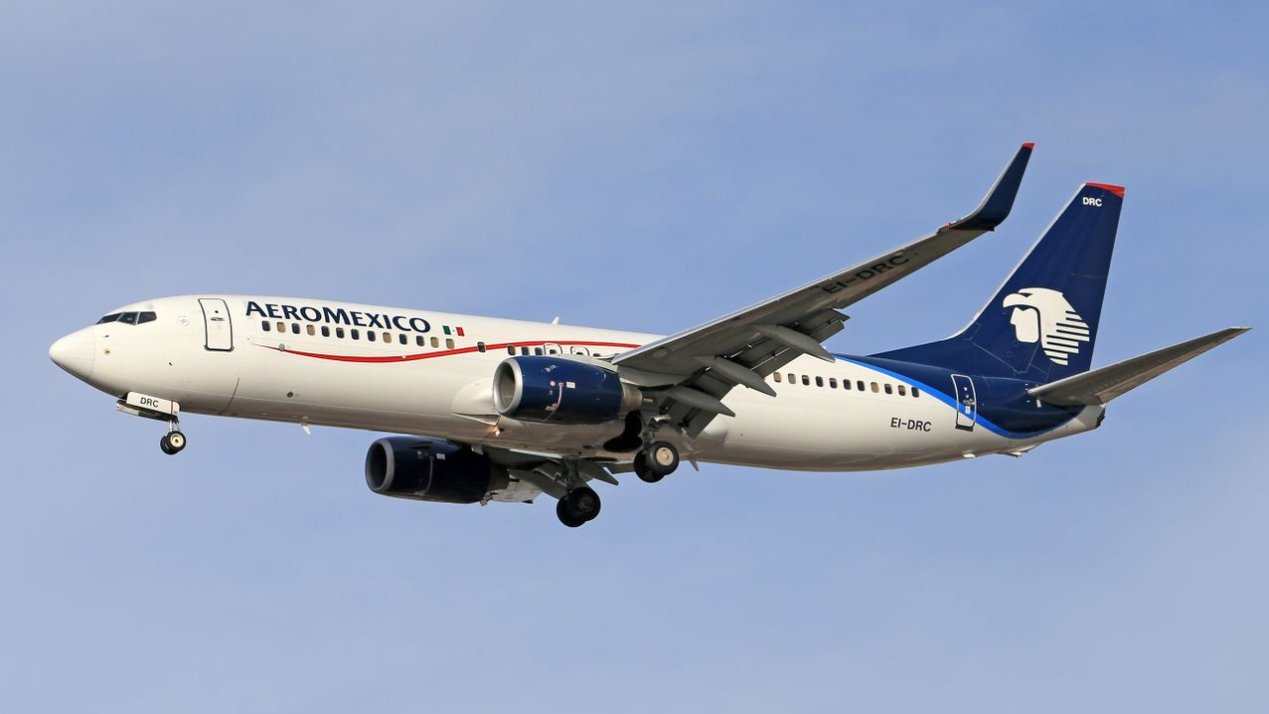
Latin America’s aviation sector is currently navigating a paradoxical crisis: while the region boasts some of the world’s most abundant biomass feedstocks, it suffers from a total lack of commercial-scale Sustainable Aviation Fuel (SAF) refining capacity. As international airlines scramble to meet net-zero targets by 2050, this structural bottleneck is forcing regional carriers, led by Aeroméxico, to pioneer creative financial models to bypass high costs and regulatory hurdles.
## The Biomass Wealth vs. Refining Infrastructure Gap
The region possesses significant quantities of agricultural residue, sugarcane ethanol, used cooking oil, and animal tallow—all critical components for producing drop-in synthetic paraffinic kerosene. Despite this, the lack of domestic refining plants means that this biological wealth is often exported as raw material to the United States and Europe. These foreign hubs benefit from legislative incentives like the U.S. Inflation Reduction Act, which subsidizes clean fuel production.
Consequently, Mexican airlines are forced to import refined SAF at significant premiums, sometimes paying two to four times the cost of conventional jet fuel. This creates a severe market inefficiency where the region’s own resources are processed abroad and re-imported at a cost that makes widespread adoption difficult for profit-sensitive carriers.
## Corporate Alliances and Scope 3 Innovation
In the absence of government-led subsidies or enforceable blending mandates similar to the European Union’s ReFuelEU Aviation initiative, private sector collaboration has become the primary mechanism for liquidity. Aeroméxico has initiated a transformative partnership with industry leaders like Grupo Bimbo and Compartamos Banco.
This program allows corporate partners to fund SAF procurement, effectively linking the airline’s Scope 1 operational emissions reductions with the partners’ own Scope 3 business travel accounting. By pooling demand, these companies are able to absorb the “green premium” that would otherwise render SAF use economically unviable. This model offers a blueprint for other emerging markets, demonstrating how cross-industry cooperation can accelerate the energy transition in the absence of comprehensive national climate policies.
## CORSIA Compliance and the Future of Regional Aviation
As international regulations like the ICAO Carbon Offsetting and Reduction Scheme for International Aviation (CORSIA) tighten, Latin American carriers face mounting financial risks. Current compliance requires airlines to report emissions and, in many cases, purchase carbon offsets. However, relying solely on offsets exposes balance sheets to extreme market volatility.
To remain competitive, airlines are increasingly looking toward AI-driven data analytics and advanced supply chain modeling to optimize fuel consumption and manage the procurement of alternative fuels. Technology firms and major cloud platforms are playing an increasing role in this ecosystem, providing the data infrastructure necessary to track emission reductions across complex supply chains. By integrating AI-powered logistics, firms can better predict fuel price fluctuations and optimize flight paths, further assisting in the transition toward lower-carbon operations.
Ultimately, achieving a 63% SAF fuel mix—the long-term target for carriers like Aeroméxico—will require more than just fleet modernization. It demands a structural shift in regional energy policy, where public-private risk-sharing mechanisms and domestic infrastructure investment take center stage. For Mexico and its neighbors, the ability to capitalize on their natural resources and integrate them into a sophisticated, low-carbon logistical framework will determine their long-term competitiveness in a decarbonizing global aviation market.
Disclaimer: This content is auto-generated for informational purposes only.
Source: Read Original News