








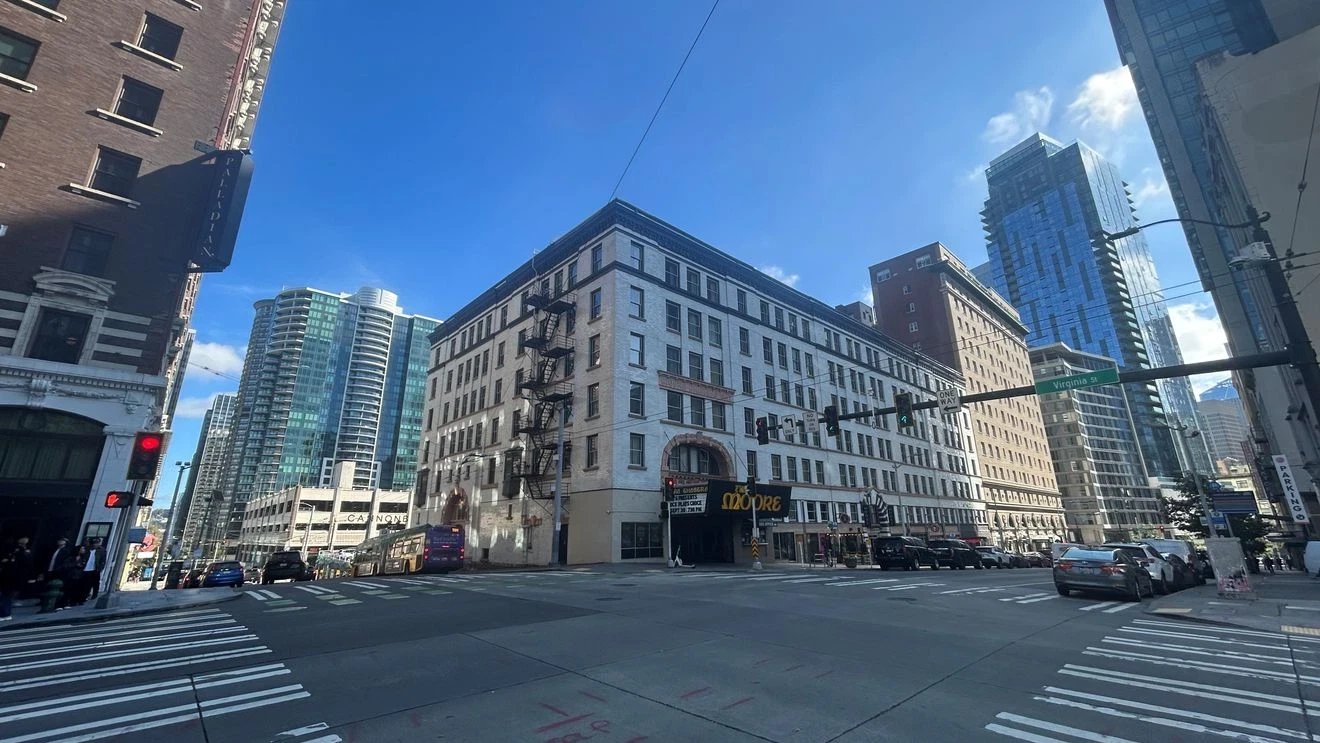
SEATTLE — The economic engine of the Pacific Northwest is sputtering, and business leaders are warning that Seattle is falling behind its regional neighbors. According to a new report from the Downtown Seattle Association (DSA), the Puget Sound area ranked a lackluster 20th out of the nation’s 30 largest metropolitan regions for employment growth between 2019 and 2025.
As regional employment growth has stagnated below 1% annually since 2022, the disparity between Seattle and nearby cities is becoming impossible to ignore. While Seattle shed approximately 18,000 jobs since 2024—hitting the downtown core particularly hard—neighboring cities like Bellevue saw an influx of over 5,000 new positions.
The Burden of Tax Uncertainty
Jon Scholes, president and CEO of the DSA, attributes much of this stagnation to a volatile policy landscape. He argues that a flurry of new employer taxes implemented over the past half-decade has eroded business confidence.
“We’ve become less predictable as a place to do business,” Scholes noted. He emphasizes that the solution isn’t to increase the tax burden further, but rather to foster an environment where existing businesses feel secure enough to expand. The current reliance on a narrow tax base is also a point of concern; a city-commissioned report recently revealed that just ten companies account for 75% of the city’s JumpStart payroll tax revenue. This heavy concentration leaves the city’s budget vulnerable to the industry-wide tech layoffs and restructuring trends that have recently disrupted the broader global technology sector.
Policy Shifts and Future-Proofing
In response to the economic climate, Mayor Katie Wilson has moved to stabilize the fiscal path forward. Her preliminary budget, currently under review by the City Council, notably avoids proposing new business taxes—a move that has drawn cautious praise from local industry advocates. Furthermore, the Mayor has launched an executive order aimed at diversifying the local economy and streamlining bureaucratic hurdles like permitting.
This initiative includes the creation of a business and labor task force and a proposed “Strategic Initiatives Fund.” The latter is designed to provide capital to startups and growing companies, aiming to prevent mid-sized firms from relocating to more tax-friendly jurisdictions as they scale. By fostering a more diverse corporate ecosystem, city officials hope to insulate Seattle from the cyclical volatility that often plagues heavy tech-dependent regions.
The Retail Reality and Downtown Revitalization
While policy and tax shifts are top of mind for executives, the street-level experience reflects a changing downtown dynamic. Small business owners, such as Kathy Lee of the Fossil and Stone art gallery, highlight the shift in consumer behavior. As major retailers exit the urban core, the city’s retail footprint has transformed, with traditional shopping districts losing their draw.
For the city to regain its momentum, experts argue that the recovery must be holistic. It requires a synergy between public policy and private sector investment to turn downtown back into a destination for workers and consumers alike. As Scholes pointed out, the health of the city’s tax base is intrinsically tied to the vibrancy of its center. When downtown is active and businesses are thriving, the entire region benefits.
Ultimately, Seattle’s path forward lies in whether it can pivot from being a city characterized by “sluggish” growth and policy uncertainty to one that actively courts investment. The focus for the coming year will be on maintaining fiscal discipline and ensuring that the downtown corridor can once again function as the robust economic hub that fuels the surrounding Puget Sound region.
Disclaimer: This content is auto-generated for informational purposes only.
Source: Read Original News