







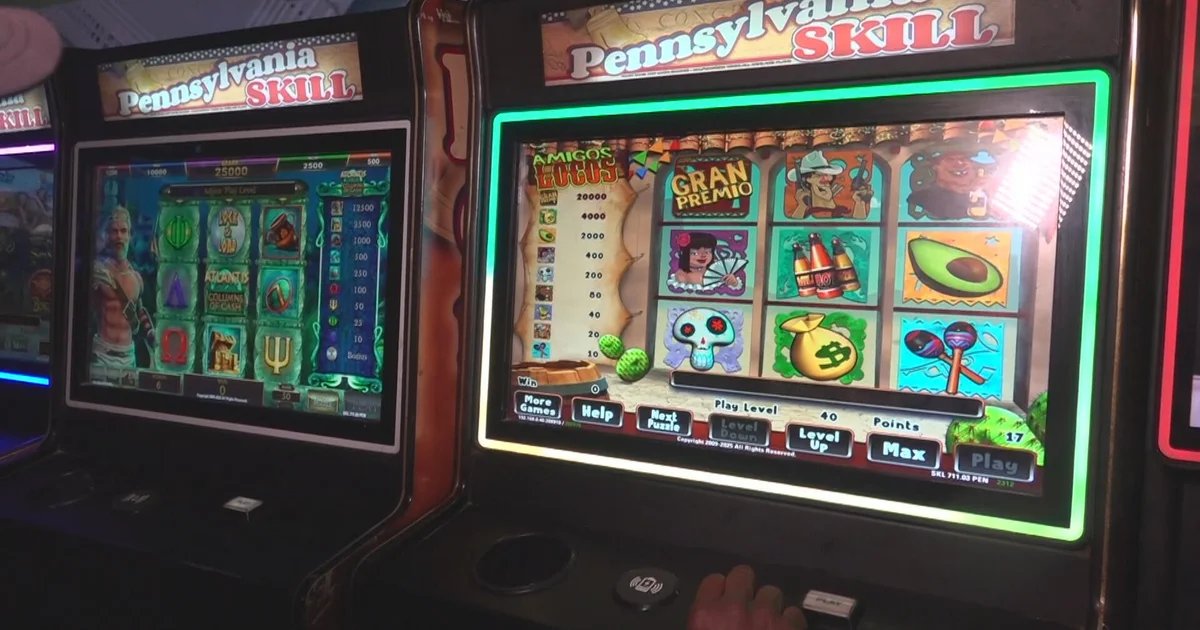
Pennsylvania business owners are currently scrambling to clear their premises of “skill games” ahead of an October 14 deadline, as Attorney General Dave Sunday issued a stark warning that any machines remaining after that date will be subject to law enforcement raids. The ultimatum follows a pivotal June ruling by the Pennsylvania Supreme Court, which classified the popular devices as functional slot machines, effectively limiting their legal operation to licensed casinos and authorized truck stops.
## The Regulatory Crackdown and Legal Implications
The Attorney General’s office has made its stance clear: the presence of these machines in bars, restaurants, and social clubs is now officially prohibited. Sunday urged business owners to comply voluntarily to avoid the disruption of search-and-seizure operations.
“We do not want to see searches and seizures at storefronts or bar, social club and restaurant establishments,” Sunday stated in a recent press release. He emphasized that his office, in coordination with law enforcement agencies, is committed to enforcing the state’s gambling laws, which strictly regulate where gaming devices can be housed. For many small business owners and veteran-led social clubs, the machines have served as a significant source of secondary revenue for over a decade, making this sudden regulatory shift a major financial blow.
## Impact on Industry Suppliers
The ripples of the ruling are hitting the supply chain just as hard as the storefronts. Joe Rocca, an industry distributor who has spent the last ten years growing a business focused on these machines, described his current inventory as “rendered useless.”
Rocca’s business, which established a new warehouse in Pittsburgh’s East Carnegie neighborhood only 18 months ago, is now holding roughly 150 machines on-site, with an additional 400 currently in transit. Because these orders take up to 90 days to process, he is trapped with a large volume of inventory that is now effectively contraband. For entrepreneurs like Rocca, the ruling represents an existential threat to their business model, with many predicting that a total ban could force them to shutter permanently. He noted that many small social clubs relying on these funds might not survive a prolonged period without the revenue the games provide.
## Legislative Hopes and the Fight for Survival
Despite the impending October deadline, some lawmakers are attempting to find a middle ground. State Senator Wayne Fontana is currently circulating a proposal that would grant fraternal and social organizations a temporary reprieve, allowing them to host up to five machines until a sunset date at the end of 2025.
However, political momentum remains uncertain. Fontana has expressed concerns that the proposal may not gather enough support to pass in the immediate term, leading him to pivot toward introducing broader, more permanent legislation in the new year. For those currently feeling the pressure, the legislative process feels painfully slow compared to the October 14 enforcement date.
In response to the crackdown, advocates for the skill games industry are taking to the streets. A rally is scheduled for this Saturday in Green Tree Borough, Allegheny County, where business owners and supporters plan to voice their opposition to the ban. As the deadline approaches, the tension between state regulatory bodies and the small business sector highlights the ongoing friction over how gaming technology is classified and controlled in the modern digital age. Whether through legal compromise or forced compliance, the landscape of Pennsylvania’s hospitality and social club industry is set for a dramatic transformation by mid-October.
Disclaimer: This content is auto-generated for informational purposes only.
Source: Read Original News