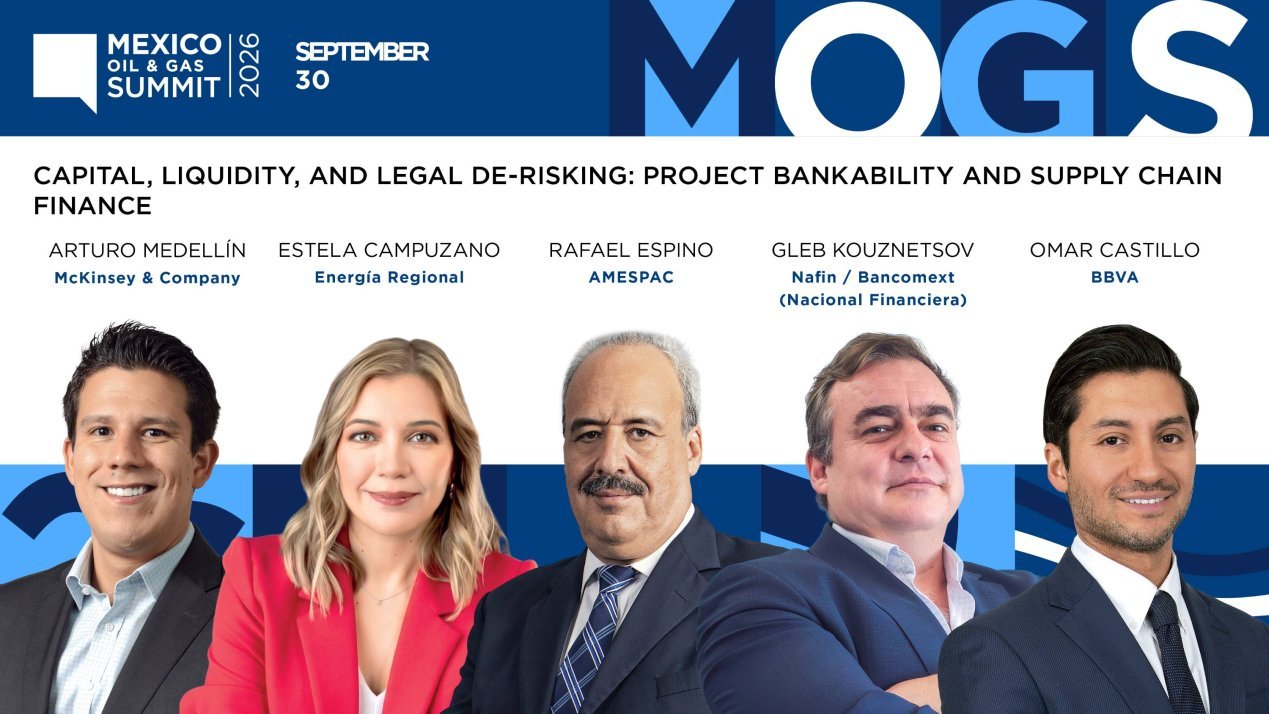







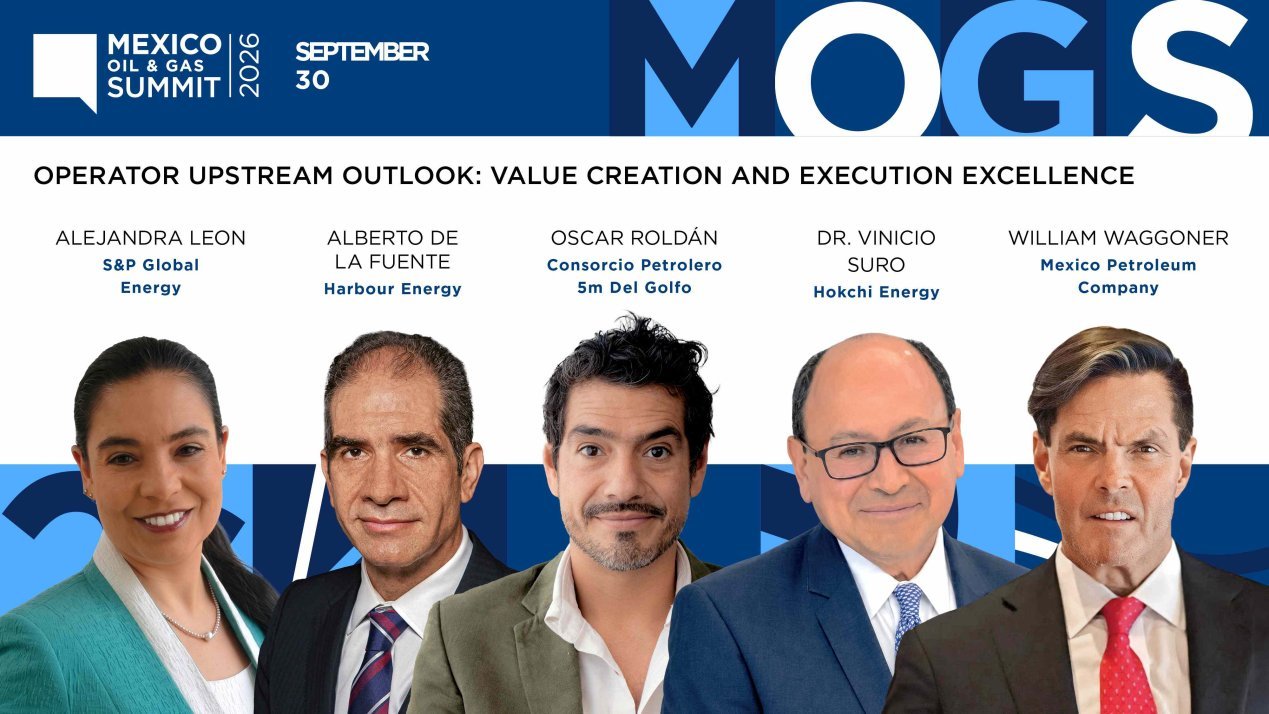
Private upstream operators convening at the Mexico Oil and Gas Summit 2026 have issued a stark warning regarding the future of the nation’s energy sector: without significant reforms to payment cycles, contract structures, and regulatory stability, Mexico risks falling behind in an increasingly competitive global energy market.
Executives from industry leaders including Consorcio Petrolero 5M del Golfo, Hokchi Energy, Mexico Petroleum Company, and Harbour Energy underscored that while Mexico possesses world-class geological assets, the operational environment is currently hamstrung by systemic inefficiencies.
## Bridging the Gap: Payments and Supply Chain Resilience
A central theme of the summit was the necessity of “payment certainty.” As the oilfield services association AMESPAC reported a staggering MX$528 billion in outstanding supplier payables by mid-2026, private operators emphasized that timely compensation is no longer just good business—it is a competitive necessity.
Oscar Roldán, Director of Consorcio Petrolero 5M del Golfo, highlighted that the chronic payment issues associated with state-run PEMEX create a “hidden cost” that private operators must now navigate. Because essential equipment, such as drilling and fracturing rigs, has become scarce, those who cannot guarantee prompt payment lose access to the best vendors. To mitigate this, some companies are turning to advanced digital financial tools and payment trusts, similar to reserve-based lending, to secure their supply chains and ensure project continuity.
## Tech-Driven Planning and Execution
In an era of high inflation and currency volatility, operators are increasingly turning to advanced data analytics and rigorous contingency planning. Vinicio Suro, Vice President of Hokchi Energy, stressed that companies must treat potential disruptions as planning variables rather than excuses.
Modern upstream management now integrates sophisticated risk-modeling software—akin to the predictive AI tools used in the broader tech industry—to navigate unpredictable exchange rates and global steel cost fluctuations. By utilizing these digital planning architectures, firms like Harbour Energy are successfully pursuing phased development strategies, ensuring that capital is deployed only when the regulatory and financial conditions are optimized for maximum efficiency.
## The Search for Regulatory and Contractual Parity
The summit also served as a call to action for policy makers. Leaders noted that as capital flows toward more stable jurisdictions like Brazil, Argentina, and Namibia, Mexico must modernize its legal frameworks.
William Waggoner, CEO of Mexico Petroleum Company, advocated for the adoption of a lease-based model similar to those used in the United States. He argued that capital is naturally risk-averse and currently avoids projects lacking clearly defined, long-term returns. Furthermore, the industry is calling for gas-specific contract models. Currently, Mexico relies on the United States for up to 80% of its natural gas, a strategic vulnerability that can only be addressed by unlocking domestic non-associated gas fields.
The consensus among attendees was clear: for Mexico to achieve its production targets, the government must move beyond the current reliance on mixed contracts. Instead, the focus must shift toward providing the price signals, regulatory consistency, and fiscal transparency required to attract international investment.
As the sector looks toward the end of 2026, the industry is at a crossroads. By embracing technical rigor and advocating for institutional reforms, private operators believe they can revitalize the energy landscape, though success hinges entirely on the ability of the government to restore trust, simplify regulations, and ensure that the vital upstream supply chain is compensated for its essential role in national production.
Disclaimer: This content is auto-generated for informational purposes only.
Source: Read Original News