





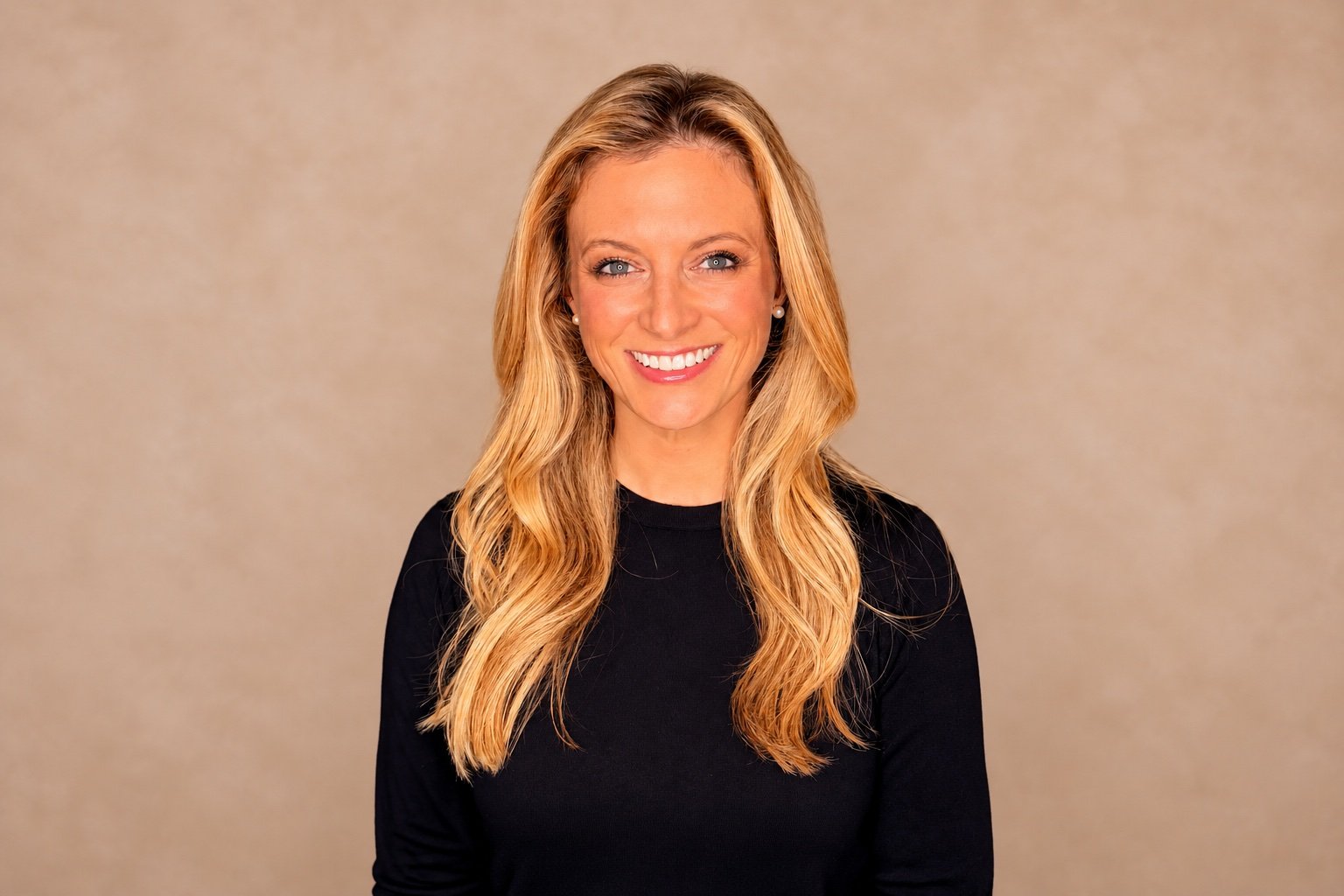
In a significant move that highlights the ongoing convergence of live sports, media technology, and digital platforms, a veteran executive with a track record in brand architecture and audience engagement has taken on a pivotal new role. While the industry has long viewed sports as the final frontier for linear television, the focus is rapidly shifting toward the integration of AI-driven personalization, real-time analytics, and ecosystem-wide interoperability—territories currently dominated by tech giants like Google.
## Bridging the Gap Between Live Events and AI Integration
The appointment signals a clear industry intent to move beyond traditional broadcasting. As major tech companies continue to refine their generative AI tools, the pressure is on media executives to integrate these features into the fan experience. Google, through platforms like YouTube and its deep search infrastructure, is uniquely positioned to act as the primary interface for this transformation.
The new leadership brings deep experience in live-event presentation, which is now being scrutinized through the lens of machine learning. Whether it is using AI to generate real-time highlight reels or deploying predictive algorithms to enhance betting and engagement metrics, the goal is to make the viewing experience as “searchable” as a web document. By leveraging Google Cloud’s data processing capabilities, organizations can now offer viewers the ability to query specific moments within a broadcast or ask a virtual assistant for updated statistics mid-game, effectively turning a passive viewing event into an interactive digital product.
## Enhancing Brand Discovery via Search and YouTube
For media brands, the challenge is no longer just about the quality of the content; it is about discoverability. As AI Overviews change the way users interact with Google Search, content creators and sports leagues must optimize their digital presence to remain visible in an increasingly automated environment.
The incoming executive is expected to focus heavily on “Discoverability 2.0.” This strategy involves aligning high-impact live events with Google’s evolving ecosystem to ensure that when a fan searches for a specific outcome or a player, they are met with high-fidelity, actionable data rather than just static links. By utilizing YouTube’s shorts and long-form integration, brands can bridge the gap between social media buzz and long-term audience loyalty, ensuring that the brand story remains consistent across the entire Google tech stack.
## The Future of Audience Engagement through Data
Modern audience engagement relies on the sophisticated use of first-party data, an area where Google’s privacy-first tools are setting new standards. The integration of advanced analytics into live presentations allows brands to understand not just how many people are watching, but how they are interacting with the event in real-time.
This transition to data-backed engagement is crucial for the future of sports media. By applying AI to viewer sentiment and engagement patterns, organizers can tailor commercial breaks, ad placements, and even the camera angles presented to specific demographics on digital devices. The executive’s expertise in building global brands will be instrumental in navigating these complexities. As platforms become more fragmented, the ability to centralize a brand’s identity within a Google-centric digital landscape will be the defining factor for success in the coming decade.
As the lines between tech companies and media conglomerates continue to blur, this leadership transition underscores a fundamental reality: the future of sports consumption is no longer just about the game itself, but about the intelligent, AI-powered ecosystem that brings that game to life on every screen. Whether through enhanced search visibility or the seamless integration of streaming data, the mandate is clear: build a better, faster, and more personal connection with the fan.
Disclaimer: This content is auto-generated for informational purposes only.
Source: Read Original News