








The Scope of the Apple Ecosystem Outage
The recent disruption across Apple’s digital infrastructure highlights the intricate dependencies within the modern streaming and software distribution ecosystem. Starting on the afternoon of September 30, a significant portion of Apple’s service suite became unresponsive, leaving users unable to access entertainment, fitness content, or transaction portals. While the initial wave of outages was broad—impacting the iOS and Mac App Stores, Apple Music, Fitness+, and even subscription management services like AppleCare+—the vast majority of these platforms recovered within a few hours.
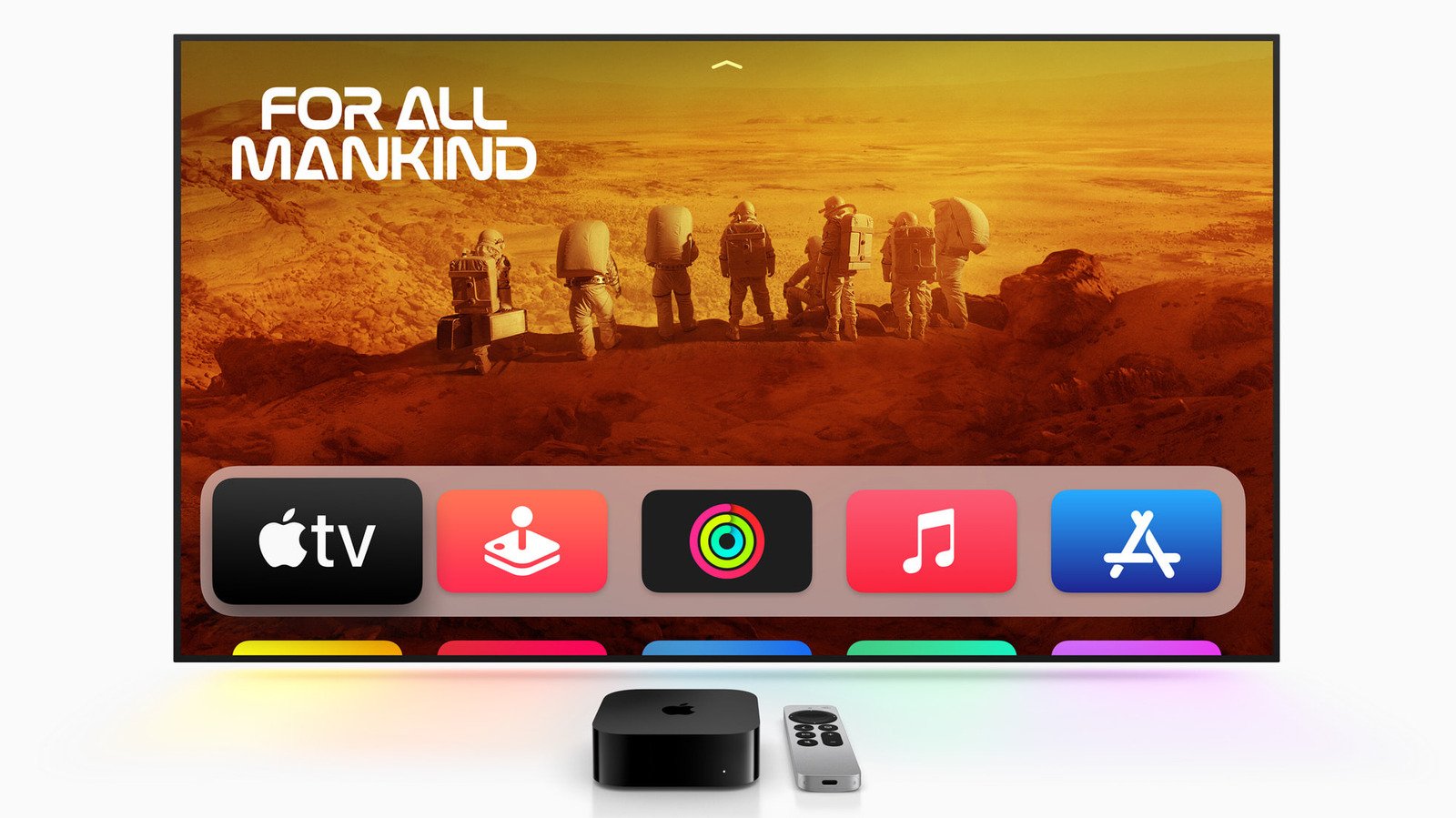
However, the persistent downtime of the Apple TV platform serves as a critical case study in how cloud-based media delivery systems can face uneven recovery timelines. Even as peripheral services returned to normal operation, the streaming infrastructure remained stagnant. This event underscores the fragility of centralized delivery models, where a singular failure point in authentication or content delivery networks can ripple across millions of devices, effectively turning high-end smart hardware into inert displays for a subset of the user base.
Technical Challenges in Service Restoration
When a global platform experiences an outage of this magnitude, the underlying cause is often linked to distributed systems architecture. Apple’s status page initially cited scheduled maintenance as the primary driver for these disruptions. In a production environment of this scale, maintenance windows typically involve rolling updates to microservices, database migrations, or security patching across redundant server clusters.
The fact that Apple TV remained offline long after services like the App Store and Apple Music were restored suggests a more complex recovery path. Video streaming services require constant communication with content delivery networks (CDNs) and sophisticated digital rights management (DRM) servers to authenticate playback. If the synchronization between user account data and the media library database becomes desynchronized during a maintenance deployment, the system may fail to authorize requests even if the hardware infrastructure appears healthy. This discrepancy often necessitates a manual “roll-back” or an incremental re-indexing of the content catalog to ensure that streaming requests are correctly routed and validated against user subscription statuses.
The Mechanics of Streaming Infrastructure
To understand why Apple TV might experience prolonged downtime compared to other services, one must consider the bandwidth and storage requirements of the platform. Unlike the App Store, which primarily handles metadata and relatively small binary files, Apple TV relies on high-bitrate streaming of 4K content, which necessitates constant, high-speed handshakes between the user’s device and the server.
Each streaming session requires the retrieval of localized data chunks that must be served with minimal latency. When a major service outage occurs, these streaming nodes may need to undergo a “cold start” or a complete purge of cached data to prevent corrupted files from reaching the end-user. If the system responsible for managing these CDN assets encounters an error, the service remains unavailable to prevent playback stuttering or unauthorized access attempts. This ensures that the platform maintains its quality of service standards, even if it means extending the downtime period to perform a deep-system verification.
Impact on User Experience and Content Access
The unavailability of a primary media hub like Apple TV carries significant consequences for the modern consumer who has moved entirely away from physical media. For users reliant on subscription-based streaming, the inability to access content on demand represents a breakdown in the digital contract. The downtime on September 30 created a temporary wall between users and their library, highlighting the reality of digital ownership in a streaming-first world.
When a service becomes inaccessible, the lack of transparency often compounds frustration. While Apple’s System Status dashboard is an essential tool for identifying outages, it rarely provides granular technical details on why one service remains offline while others return to functionality. For the user, this translates to a loss of agency over their home entertainment systems. This event serves as a reminder that as software becomes more integrated into daily habits—from music streaming to health tracking via Fitness+—the robustness of the backend infrastructure becomes as vital as the quality of the hardware itself.
Security Protocols and Maintenance Windows
Planned maintenance is a necessary component of lifecycle management for any global tech entity. Security vulnerabilities discovered in the wild often require immediate patching, which can occasionally result in wider outages than intended if the architecture involves tight coupling between various services. By bundling updates for the App Store, Apple Music, and Apple TV, the company likely intended to minimize the duration of overall downtime, but the complexity of the Apple TV interface—which integrates live and on-demand video—often introduces variables that do not exist in simpler, data-only applications.
As Apple continues to expand its ecosystem, the burden of maintaining uptime becomes increasingly difficult. Future iterations of their infrastructure will likely require more granular failover capabilities, allowing the company to isolate maintenance to specific sub-services rather than risking a total service collapse. For now, the events of September 30 serve as a technical demonstration of how even the most refined and resource-heavy platforms can falter during the standard cycles of software maintenance and network optimization. The focus for engineering teams moving forward will be to ensure that these necessary maintenance windows result in shorter, more localized disruptions, preserving the continuity of user access across all integrated devices.
Disclaimer: This content is auto-generated for informational purposes only.
Source: Read Original News