









Apple is set to make a significant move in the consumer electronics market with the unveiling of a new smart home hub, scheduled for October 13. As the technology industry aggressively pivots toward artificial intelligence, Apple is carving out its territory by focusing on deeply integrated, hardware-centric solutions rather than chasing experimental AI-native gadgets. Under the leadership of CEO John Ternus, the company is aiming to solidify its presence within the domestic environment, transforming the smart home from a fragmented collection of devices into a cohesive, centralized experience.
The New Hardware Strategy
The centerpiece of this announcement is a dedicated smart home hub featuring a display roughly six inches square. While the form factor shares similarities with existing products from competitors like Amazon and Google, Apple intends to differentiate its device through advanced proximity and identity recognition. The hardware is designed to identify specific users as they approach, allowing for the delivery of personalized information and tailored interactions.
Beyond simple notifications, the device functions as a comprehensive control dashboard. It provides granular management of essential home utilities, including climate control, smart lock security, and media playback. By consolidating these functions into a single, wall-mountable or surface-based interface, Apple is positioning the device to become the primary touchpoint for household operations. This follows a broader trend within the company to refine its hardware lineup, ensuring that new devices serve clear, daily purposes for the consumer.
Integration with an Upgraded Siri
Central to the functionality of this new hub is the deployment of a significantly enhanced Siri. After a period of development, Apple’s AI assistant is moving toward more fluid, natural-language interaction. This transition is evident in the latest iPhone releases, which leverage the updated Siri to process requests in a more conversational manner.
By bringing this technology to a dedicated smart home hub, Apple is effectively bridging the gap between mobile computing and domestic automation. Unlike companies that are attempting to launch entirely new AI-specific hardware categories—which often require consumers to adapt to steep learning curves—Apple is embedding its intelligence into existing workflows. This strategy relies on the familiarity of the Apple ecosystem, ensuring that the assistant remains a reliable tool rather than a novelty.
Navigating the Smart Home Market
Apple’s entry into the smart home category is notable for its deliberate, measured pace. While previous attempts, such as the HomePod and HomePod mini, found limited success in capturing the massive market share held by competitors, this new hub represents a more focused attempt to own the home interface.
The company is avoiding the pitfalls of rushing unrefined technology to market. By sidestepping the “first-to-market” trap that has plagued other tech firms with premature hardware, Apple is betting that its reputation for reliability and polish will resonate with users. This mirrors the company’s approach to the iPhone 18 series, where the focus remained on refining the user interface to support newer, AI-driven capabilities rather than pushing hardware that lacks a clear use case.
Expanding the Domestic Ecosystem
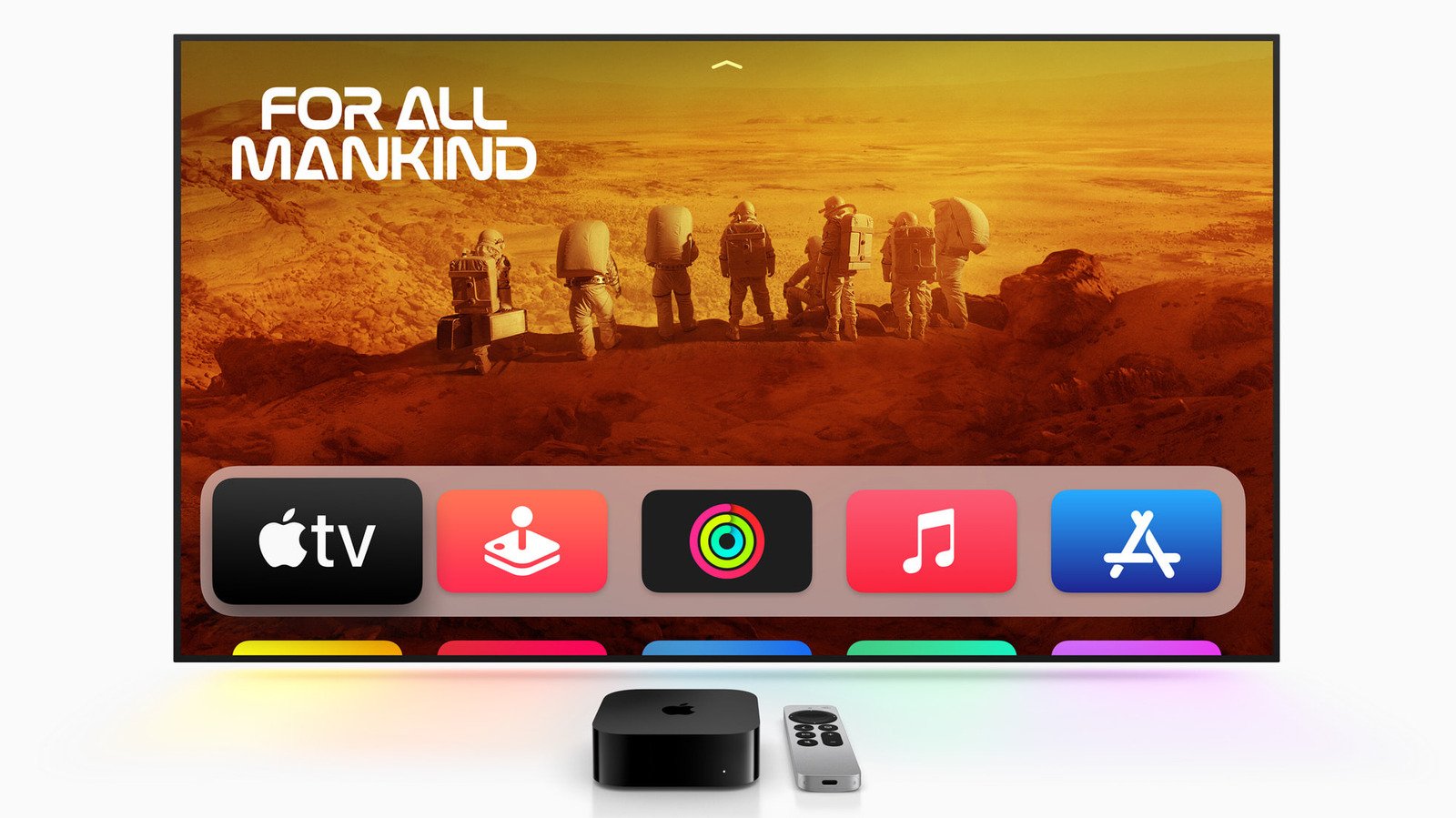
The smart hub launch will be accompanied by a refresh of the Apple TV set-top box, the first such update since 2022. This concurrent release underscores the goal of embedding the Apple ecosystem into the rhythm of domestic life. By occupying the living room through the television and the smart hub, Apple seeks to replicate the success it has found with CarPlay.
Much like its approach to the automotive sector—where Apple successfully integrated its software into the dashboard without the immense overhead of manufacturing a full vehicle—the new smart home strategy emphasizes service and interface over sheer hardware complexity. By creating a high-touch, daily-use environment, the company is attempting to make its hardware indispensable to the daily routines of its user base.
Market Impact and Future Outlook
The decision to introduce this hub during a period of shifting economic conditions and rising chip costs demonstrates confidence in the current consumer demand for smart home integration. As CEO John Ternus navigates these challenges, the strategy is clear: focus on high-value, high-utility devices that solidify the “sticky” nature of the Apple brand.
While companies like Meta and OpenAI continue to push the boundaries of AI through software-focused products, Apple is doubling down on the physical infrastructure of the home. This move suggests that the company views the future of AI not as a separate category of device, but as an essential utility that should be present in the products people already use every day. By merging its refined industrial design with the new capabilities of an advanced Siri, Apple is preparing for a future where the home is not just smart, but actively intuitive.
Disclaimer: This content is auto-generated for informational purposes only.
Source: Read Original News