









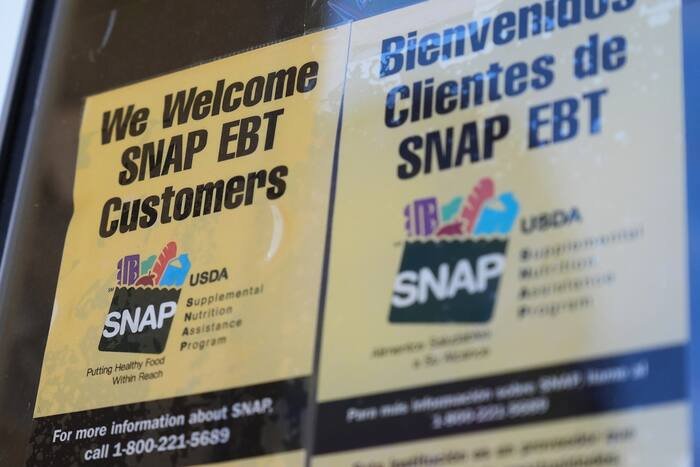
SAN ANTONIO – Millions of Americans who rely on the Supplemental Nutrition Assistance Program (SNAP) are bracing for a series of significant shifts to their food assistance, as new federal adjustments take effect today, Oct. 1. While many households will see a modest increase in their monthly payments to account for inflation, these updates come alongside stricter eligibility rules and a major restructuring of how states fund the program.
The annual cost-of-living adjustment is intended to help beneficiaries keep pace with rising grocery prices. For a typical one-person household, the monthly benefit will rise by approximately $8, moving from $298 to $306 in most states. Families are also set to receive more support, with a standard household of four seeing their monthly allotment climb from $994 to $1,023—an increase of roughly $29.
However, these financial boosts are arriving against a backdrop of tightening oversight and shifting fiscal responsibilities. Under the mandates of the One Big Beautiful Bill Act, which has already impacted the benefits of an estimated 5 million Americans, the federal government is moving to offload a larger portion of the program’s costs onto individual states.
Previously, states were responsible for covering about 50% of SNAP administrative and operational costs. Beginning today, that share jumps to 75%, effectively reducing the federal government’s contribution by 25 percentage points.
Perhaps most concerning for many states is the new penalty structure tied to “error rates”—a metric that tracks overpayments and underpayments within the system. States that maintain an error rate of 6% or higher will be forced to cover an even larger percentage of costs.
According to data from the U.S. Department of Agriculture for the 2025 fiscal year, only about 10 states managed to keep their error rates below the 6% threshold. Texas is among the states currently struggling to meet this mark; the most recent reporting places the state’s error rate at 9.34%. This high rate could place significant financial pressure on Texas as the new funding requirements take hold.
The combination of higher state costs and stricter eligibility criteria is expected to create hurdles for low-income families seeking assistance. As the program transitions to this new fiscal reality, officials are urging recipients to remain vigilant.
SNAP beneficiaries are advised to log in to their state portals or check their account balances after today to verify their updated monthly allotments. For those concerned about potential changes to their status or seeking clarification on how these new rules may impact their specific household, local SNAP offices remain the primary point of contact for assistance and inquiries.
As states adjust to the increased financial burden, the long-term impact on the accessibility of food benefits remains a subject of intense focus for advocates and officials alike.
Copyright 2026 by KSAT – All rights reserved.
Disclaimer: This content is auto-generated for informational purposes only.
Source: Read Original News