








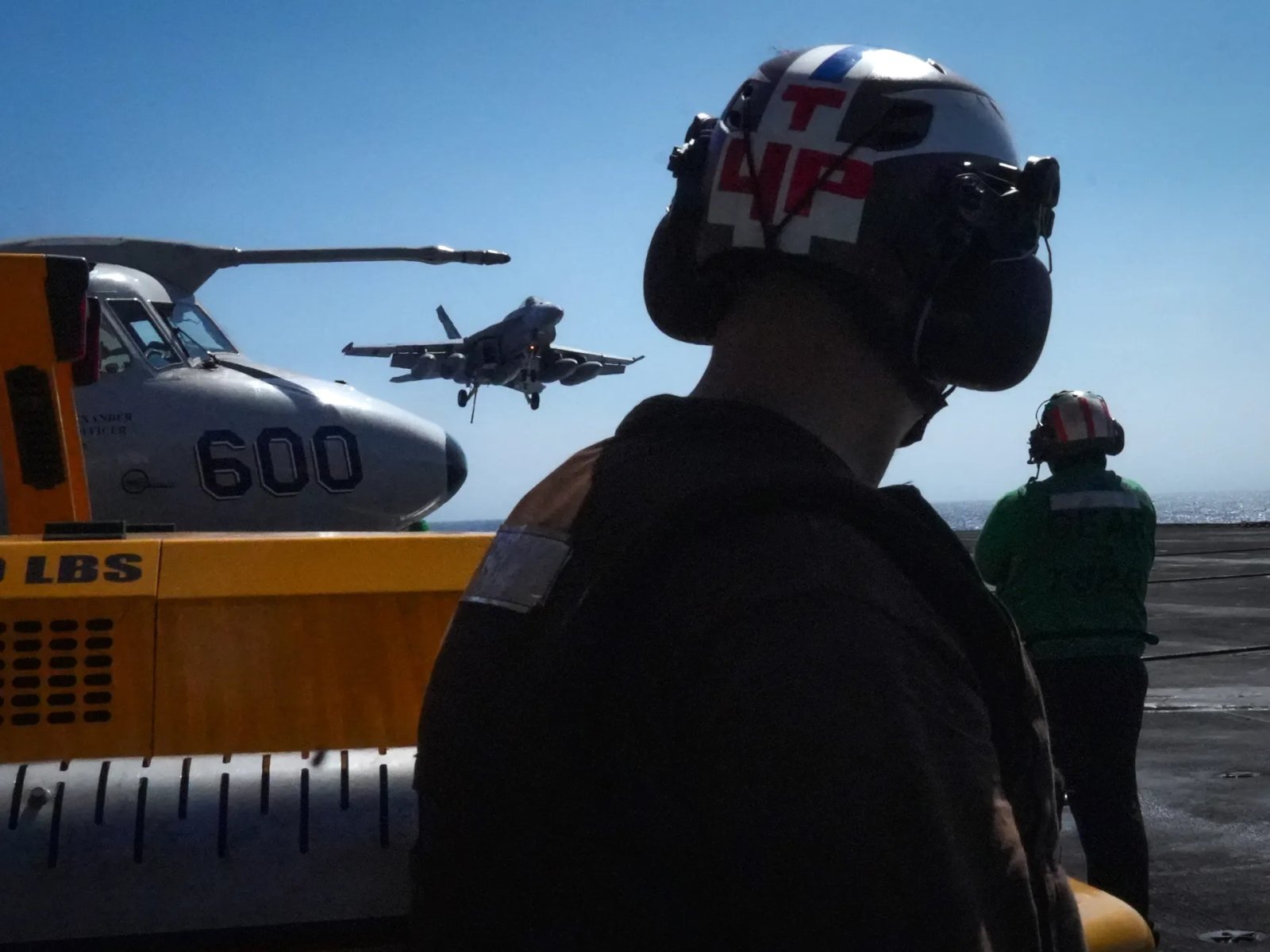
Tensions in the Middle East have escalated sharply today following the United States’ deployment of 2,000 additional Marines to the region and a major strike on a supertanker navigating the strategic Strait of Hormuz.
The military surge, ordered by the Trump administration, marks a significant reinforcement of American presence in the Persian Gulf. Defense officials stated that the troop movement is intended to deter “malign activities” and ensure the freedom of navigation in one of the world’s most critical energy chokepoints.
The deployment coincides with a volatile maritime incident earlier this morning, where a large supertanker was struck while passing through the Strait of Hormuz. Details regarding the nature of the strike remain fluid, though initial reports suggest significant damage to the vessel. There is no immediate confirmation on casualties or whether the strike was carried out by missile fire, drone attack, or sabotage.
The incident has already sent shockwaves through global energy markets, with oil prices spiking in response to fears that the essential shipping lane could be compromised.
Amid the mounting crisis, Iranian President Masoud Pezeshkian addressed the international community, maintaining a defiant but complex stance on the possibility of de-escalation. Speaking in Tehran, Pezeshkian asserted that Iran “has never avoided” diplomatic dialogue with the United States. However, he underscored the deep-seated skepticism within his government, pointing to what he described as a history of bad faith.
“We have remained open to the table,” Pezeshkian said, highlighting the contradiction of pursuing negotiations while under fire. He specifically noted that Iran has faced three separate direct attacks during previous rounds of diplomatic engagement with Western powers, casting doubt on the efficacy of pursuing a path of diplomacy while the current military build-up continues.
Analysts suggest the dual developments of the troop deployment and the tanker strike place the region on a precipice. The Strait of Hormuz, through which a significant portion of the world’s daily oil supply transits, has long been a flashpoint for US-Iran relations. The arrival of 2,000 additional Marines suggests that the Pentagon is preparing for an extended period of heightened alert, potentially signaling a move toward more aggressive maritime patrols.
The White House has not yet issued a formal statement pinning the tanker attack on a specific actor, but the timing of the strike has prompted widespread speculation of Iranian retaliation for the new military posture. As regional leaders watch the situation closely, the international community remains on high alert, fearing that a singular tactical error in the congested waters of the Gulf could ignite a much broader conflict.
Disclaimer: This content is auto-generated for informational purposes only.
Source: Read Original News