





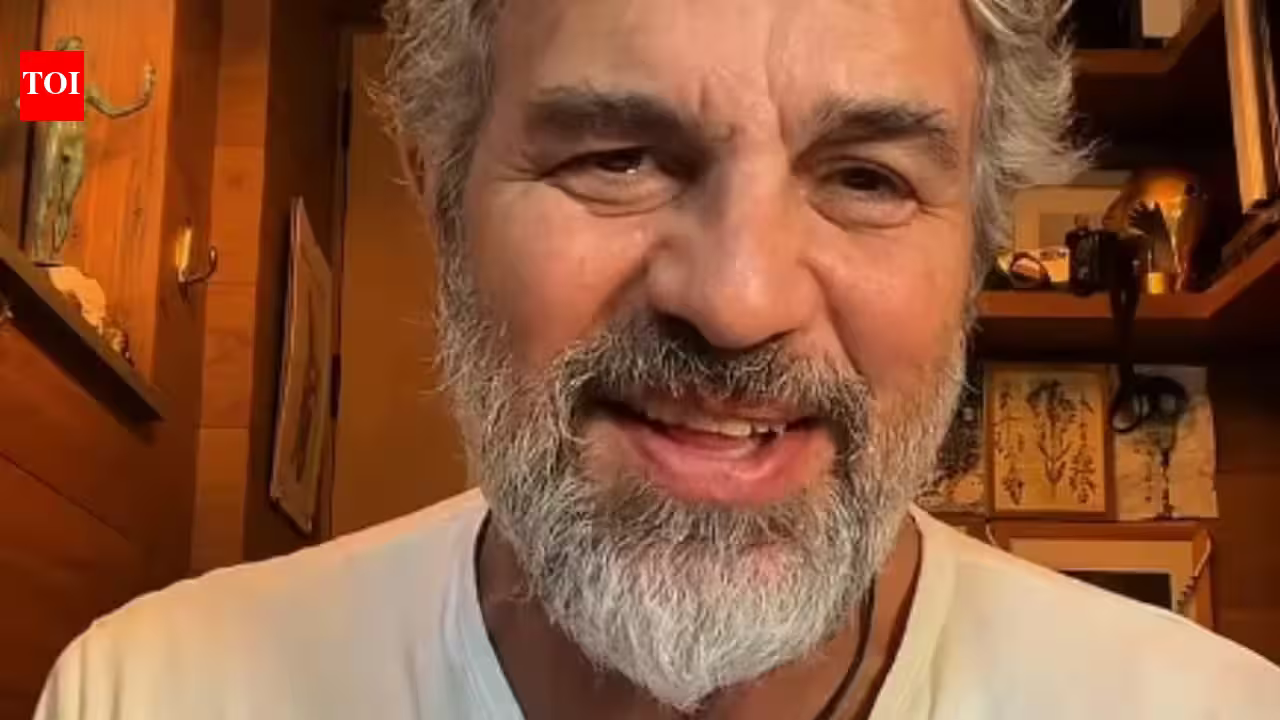
The halls of Hollywood have long been characterized by a quiet tension between the creative class and the corporate boardroom, but in recent days, that tension has reached a boiling point. As news broke that a massive, industry-shaking merger between two media titans has officially cleared its final hurdles, one of the most prominent faces in the Marvel Cinematic Universe—Mark Ruffalo—has decided he is no longer interested in playing the role of the silent observer.
Taking to Threads, the actor behind the Hulk didn’t mince words, painting the consolidation of power as an existential threat to the very art form he has spent decades cultivating. For Ruffalo, this isn’t just a matter of changing letterheads or corporate restructuring; it is a calculated blow to the cultural heartbeat of the nation.
A Battle Against Corporate Consolidation
Ruffalo’s rhetoric has been searingly direct, positioning the merger not as a strategic business evolution, but as a regression into an era of oligarchy. “This merger will stifle creativity, weaken free speech, and cost people their jobs,” Ruffalo wrote in a post that quickly circulated across social media platforms. “It is a bad deal for this country and should never have been approved.”
The actor’s frustration stems from a deeply held belief that when media power is concentrated in fewer hands, the diversity of storytelling suffers. When fewer gatekeepers decide what gets produced, the edges of cinema—the bold, the risky, and the unconventional—are the first to be smoothed over in favor of safer, bottom-line-driven content. For the thousands of working-class crew members, writers, and technicians who underpin the industry, the “synergy” promised by corporate PR departments sounds less like growth and more like a pink slip.
The Grassroots Movement and the Fight to Stop It
Ruffalo has been a central figure in a loose but dedicated coalition of Hollywood insiders fighting this deal for months. The movement, which spans across generations of stars, has sought to pressure political figures into blocking the acquisition. The intensity of his advocacy was perhaps best displayed in his public plea to California Attorney General Rob Bonta.
Last month, Ruffalo took to social media to urge Bonta and his coalition of 11 state attorneys general to hold the line. “Don’t you dare, Rob Bonta, do not cave,” he wrote, reminding the public that nearly 6,000 filmmakers had effectively put their careers on the line to stand against the merger.
The actor’s message is clearly centered on the idea that the entertainment industry belongs to the audience and the creators, not just the “billionaire class.” By framing the issue as an anti-oligarchy struggle, Ruffalo has elevated the conversation from a niche industry dispute to a broader commentary on the concentration of economic power in America. He insists that despite the finality of the deal, the movement remains alive. “This was never about just one merger,” he noted. “This was about fighting back against corrupt oligarchs trampling the interests of everyday people.”
The Heavyweights Standing Behind Ruffalo
Ruffalo is far from a lone voice in the wilderness. The disdain for this merger has been shared by some of the most respected names in the business, including Jane Fonda, Joaquin Phoenix, Noah Wyle, and Ben Stiller. These actors represent a cross-section of Hollywood that is increasingly wary of the “too big to fail” mentality that has taken hold in corporate media.
For veterans like Fonda, who has spent a lifetime advocating for labor rights, the threat of mass layoffs is a major point of contention. For performers like Phoenix and Stiller, the concern is often the homogenization of the cinematic landscape. There is a palpable fear that the merger will force a “cookie-cutter” approach to film production, effectively squeezing out the mid-budget, character-driven dramas that have long defined the prestige of cinema in favor of high-yield, algorithmic blockbuster formulas.
Inside the USD 111 Billion Settlement
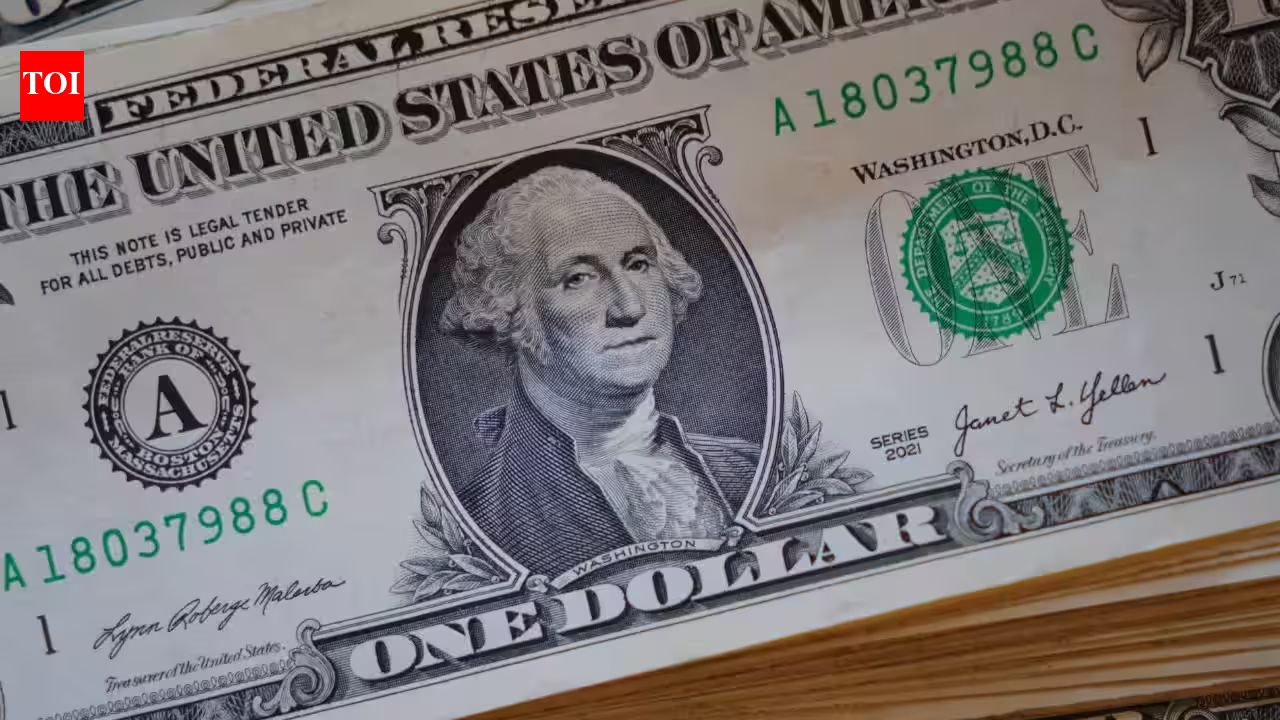
The reality of the deal, which carries a staggering USD 111 billion price tag, is as complex as the backlash against it. According to The Hollywood Reporter, the settlement includes specific, binding stipulations aimed at mollifying critics who fear a drop in production.
The merged entity is now contractually obligated to release a minimum of 30 theatrical films per year for the first two years of the merger, a number that scales up to 32 films annually for the subsequent three years. To ensure these aren’t just “filler” projects, the agreement dictates that at least half of these films must be produced or co-produced by the combined company itself.
The consequences for failing to meet these quotas are severe, with a penalty of USD 30 million per film for every shortfall. While this gives the industry a framework of stability, many in the creative community remain skeptical. They argue that quotas are merely numbers on a page and that true creativity cannot be managed by a mandate. To the skeptics, this is just a way to put a polished veneer over a process that inevitably leads to downsizing and corporate homogeneity.
What’s Next for the Industry and Mark Ruffalo
As the dust settles on this historic deal—which is expected to be finalized as early as next week—the industry is bracing for a new era of uncertainty. Executives may be celebrating the “synergy,” but the workforce is bracing for the fallout.
Amidst this upheaval, Mark Ruffalo continues his work on the front lines of the blockbuster machine he simultaneously critiques. He is set to star in the highly anticipated MCU film Avengers: Doomsday, currently slated for a December 18 release. It remains a fascinating dichotomy: a man who is arguably one of the most recognizable faces of the corporate superhero industrial complex is simultaneously its most vocal internal critic.
Whether his activism will eventually influence future regulatory decisions remains to be seen. However, one thing is certain: the era of the quiet actor is over. Ruffalo and his peers have made it clear that they intend to keep their eyes on the boardroom, and they aren’t planning on walking away from the fight anytime soon.
Disclaimer: This content is auto-generated for informational purposes only.
Source: Read Original News