









The Global Currency Realignment and the Ascendance of the Dollar
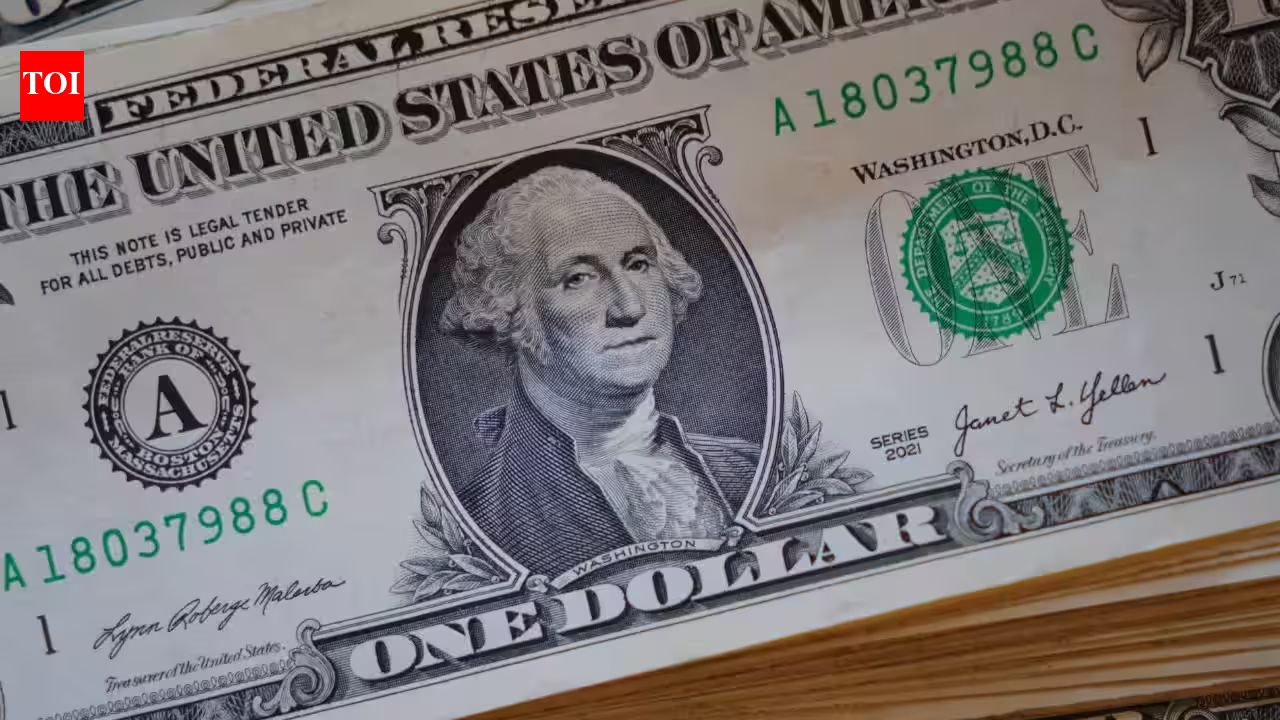
The global financial landscape is currently undergoing a significant shift, characterized by a resurgent US dollar that has climbed to a 17-month high. This trajectory, marked by a three-week winning streak, reflects a broader transformation in how international markets perceive risk, fiscal health, and monetary policy. The dollar index, a vital barometer of the greenback’s strength against six major currencies, is signaling a move toward dominance that is driven not merely by traditional interest rate differentials, but by systemic instability in other developed markets, particularly Europe.
A critical catalyst for this shift is the recent volatility in the global bond market. When benchmark US 10-year Treasury yields surged to levels not observed since 2002, it sent shockwaves through the global financial architecture. Although these yields later stabilized, the movement underscored a growing anxiety regarding the term premium and fiscal risk. Investors are no longer reacting solely to Federal Reserve policy decisions; they are increasingly concerned about the structural realities of heavy government borrowing and the vast supply of bonds flooding the market. This environment of rising borrowing costs, combined with persistent inflation, has effectively turned the dollar into a safe-haven asset, drawing capital away from more fragile economic regions.
European Fiscal Fragility and the Euro’s Decline
The narrative of the current market cycle is increasingly defined by the divergence between US resilience and European vulnerabilities. The euro has faced consistent downward pressure, hovering near levels not seen since mid-2025. While the US economy displays a level of endurance, Europe is grappling with a multifaceted crisis. Political uncertainty, particularly regarding the fiscal health of France, has dampened investor confidence in the single currency. When combined with the energy shocks stemming from prolonged geopolitical instability in the Middle East, the structural weaknesses of the Eurozone have become impossible for markets to ignore.
This shift represents a departure from the previous reliance on the “US exceptionalism” narrative. Instead, the market is pricing in a “problem-elsewhere” scenario. As European sovereign debt yields rise to multi-decade highs, the cost of servicing debt has become a drag on the regional economy. For international investors, the euro has become a liability, leading to capital flight into the dollar. This dynamic is exacerbated by the energy-dependent nature of European industrial output; as crude oil prices maintain their upward momentum, the cost of importing energy is straining the trade balances of several European nations, further undermining the euro.
The Federal Reserve and the Data-Driven Mandate
Despite the current strength of the dollar, the Federal Reserve remains at a critical juncture. The market has begun to temper its expectations for immediate, aggressive interest rate hikes, responding to signs that consumer price indices are potentially cooling. The recent revisions to inflation data suggest that while prices remain high, the runaway velocity of inflation might be slowing. Consequently, Fed policymakers have signaled a desire to pause and observe incoming data before committing to further monetary tightening.
This creates a high-stakes environment for upcoming economic indicators, particularly the US payroll reports. The labor market serves as the ultimate test of the Fed’s resolve. If job growth remains robust despite high interest rates, the case for continued monetary restriction remains valid. Conversely, if wage growth accelerates in a “hot” print, it could inadvertently force the Fed to maintain a hawkish stance to prevent wage-price spirals. For traders, the payroll data is the next essential piece of the puzzle that will dictate whether the dollar continues its climb or faces a period of consolidation. The Fed’s preoccupation with inflation means that the labor market, rather than sentiment alone, remains the primary driver of Treasury yields and currency valuation.
Impact on the Indian Business Context
The strength of the US dollar has profound implications for the Indian economy, which remains sensitive to fluctuations in global capital flows and import costs. For India, a surging dollar typically results in downward pressure on the Rupee. As the greenback gains strength, the cost of importing critical commodities—most notably crude oil—rises significantly. Given that India is a net importer of energy, a weak Rupee against a multi-month high dollar directly contributes to imported inflation, potentially limiting the Reserve Bank of India’s (RBI) maneuverability regarding interest rates.
Furthermore, the rise in US Treasury yields makes US government debt more attractive to foreign institutional investors (FIIs) compared to emerging market assets. This potential for capital outflows from Indian equity and debt markets could lead to increased volatility on the National Stock Exchange and the BSE. Indian firms with significant dollar-denominated debt may also find their balance sheets under pressure, as the cost of servicing these obligations increases when translated into local currency. However, the current environment also underscores the importance of India’s focus on foreign exchange reserves as a buffer. The RBI’s commitment to maintaining stability in the currency markets is tested in these cycles, as it balances the need to prevent excessive volatility while allowing the Rupee to find its market-clearing value amidst global tightening.
Commodities, Safe Havens, and Future Market Outlook
As the global market navigates this complex intersection of geopolitics and finance, the performance of commodities like Brent crude serves as a reminder of the fragility of the status quo. With oil prices pushing past the $100 per barrel mark, the specter of “sticky” inflation remains a primary risk. This energy-driven inflation is a double-edged sword; it pushes the dollar higher by forcing investors into defensive positions, yet it simultaneously threatens to stifle global economic growth by increasing the overhead for businesses across every sector.
The currency market is currently caught in a cycle where the dollar index and safe-haven assets are rising in tandem, signaling a broad-based desire among investors to minimize exposure to systemic risk. As long as the uncertainty surrounding fiscal health in Europe and energy security remains unresolved, the dollar is likely to maintain its current momentum. Looking ahead, businesses operating internationally must account for this “new normal” of higher borrowing costs and currency volatility. The ability to hedge effectively against foreign exchange risk and the capacity to adapt to higher input costs will differentiate the leaders from the laggards in the coming fiscal year. The current rally is a clear signal that the era of low-cost, low-risk global capital is receding, replaced by a climate defined by fiscal discipline and macroeconomic caution.
Disclaimer: This content is auto-generated for informational purposes only.
Source: Read Original News