





The dust has barely settled in the lawless heart of Purvanchal, but the box office numbers are already echoing like a gunshot in the night. With Mirzapur: The Movie crossing the staggering Rs 333.29 crore mark by its 27th day, the franchise has cemented its status as a behemoth of modern Indian cinema. But behind the cold-blooded power struggles and the relentless pursuit of the throne of Mirzapur lies a production story defined by audacity, transition, and the kind of creative pivot that keeps long-running sagas alive.
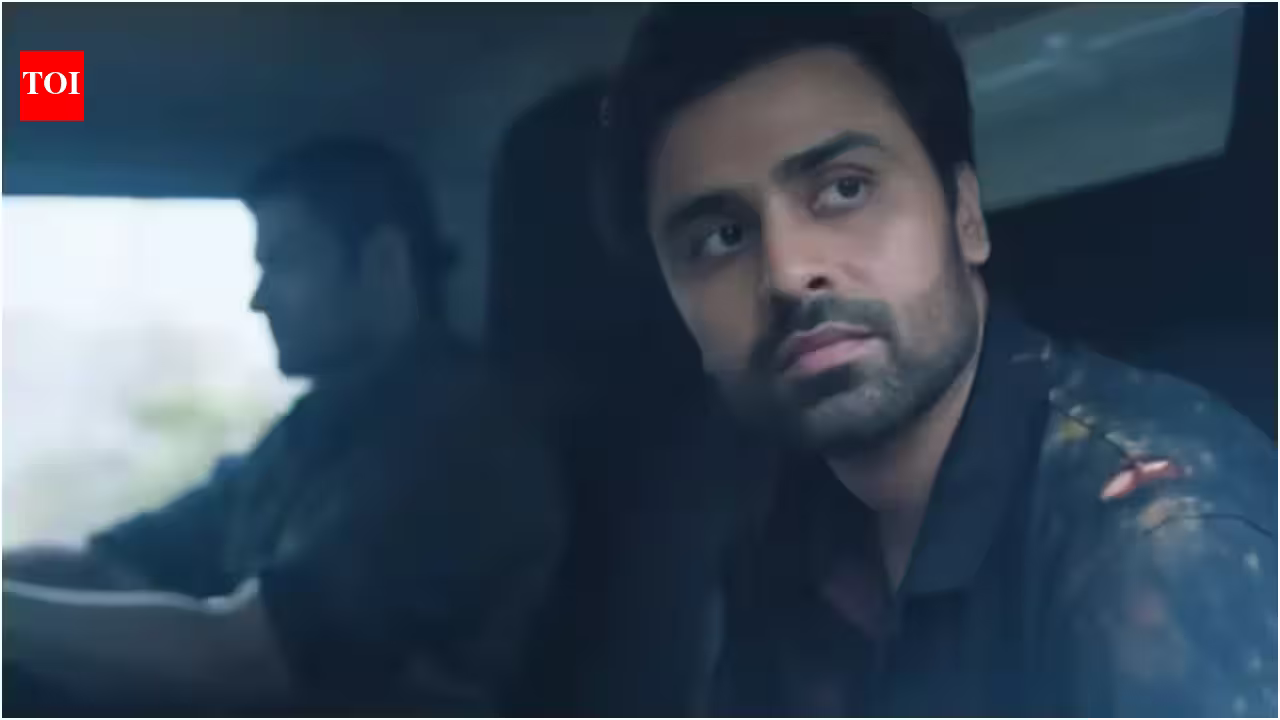
At the center of the post-release discourse is director Gurmmeet Singh, the architect of this grit-and-glory universe. While audiences are still dissecting the film’s explosive final act, Singh has been peeling back the curtain on the most controversial decision of the project: the recasting of the iconic Bablu Pandit. Replacing a fan-favorite like Vikrant Massey with the deceptively sharp Jitendra Kumar was a gamble that could have alienated the base. Instead, it became the film’s secret weapon.
Gurmmeet Singh on the Courage to Recast
In a creative industry often paralyzed by the “if it ain’t broke, don’t fix it” mentality, Gurmmeet Singh chose a path of disruption. Speaking candidly about the transition, Singh frames the decision not as a logistical necessity born of schedule conflicts, but as a philosophical imperative for the craft.
“I think the beauty about a make-believe world is that as an artiste, one always needs to have choices,” Singh says. “As creators, as actors, what’s the one thing that we all desperately want? It’s to have choices and to be able to make that choice. And it’s a good lesson to learn that everyone needs to be able to follow what their heart is telling them to do.”
For Singh, the narrative of Mirzapur is larger than any individual performer. By acknowledging that no story is “bound down” by the people who start it, he hits on a truth that has allowed legacy franchises to survive for decades: the characters belong to the universe, not the actor. The addition of Jitendra Kumar didn’t just fill a vacancy; it injected a fresh, kinetic energy that forced the film to break away from the episodic constraints of the web series format.
Reimagining Bablu: From Victim to Architect
If you were expecting the Bablu Pandit of the film to be the same studious, hesitant bookworm we left behind in the series, the big screen offers a jarring, welcome departure. The director admits that the recasting provided a “blessing in disguise,” a rare opportunity to strip the character down and rebuild him for a cinematic landscape that demands higher stakes.
“The Bablu in the show was almost aiding his brother and was a victim, never having agency or an agenda of his own,” Singh explains. “But this Bablu is playing the game. He’s the one driving the narrative.”
This is the brilliance of the transition. By evolving the character’s trajectory, Singh and his writing team utilized the change in actor to signal a change in the character’s soul. Jitendra Kumar, known for his subtle, grounded performances, brings a layer of cold calculation to the role that feels earned. He isn’t just reacting to the chaos around him anymore; he is the eye of the storm. This narrative shift has resonated with critics and fans alike, effectively silencing the early skepticism that surrounded the casting news.
The Ensemble Powerhouse
While the spotlight inevitably finds the leads, the weight of Mirzapur: The Movie rests on its vast, interconnected web of talent. With powerhouses like Pankaj Tripathi (the indomitable Kaleen Bhaiya) and Ali Fazal (Guddu Pandit) returning to command the screen, the newcomers and supporting cast—including Shweta Tripathi, Rasika Dugal, Abhishek Banerjee, and the menacing Mohitt Maalik—have created a pressurized environment that feels suffocating in the best possible way.
Mohitt Maalik’s portrayal of Birju Lohar has been a particular standout. Bringing a jagged, dangerous edge to the film, Maalik’s performance serves as a reminder that the world of Mirzapur is constantly evolving, introducing new predators to a habitat already teeming with them. The synergy between the seasoned veterans and the fresh additions suggests that Singh has managed to successfully translate the slow-burn intensity of the OTT format into the high-octane pacing required for a theatrical blockbuster.
Lessons from the Box Office Success
As the film continues to draw crowds nearly a month into its run, the industry is taking note. The Rs 333 crore figure isn’t just a metric of success; it’s a vindication of the creative team’s decision to lean into evolution rather than preservation.
“I think that’s a great learning we’ve taken away, to always use your setbacks to your advantage, because that’s what creativity is meant to do,” Singh reflects.
The success of Mirzapur: The Movie suggests that audiences are far more willing to embrace change than the industry gives them credit for—provided that change is anchored in a compelling, character-driven narrative. By choosing to reimagine a legacy character rather than force an imitation, the team has not only secured a hit but has also cleared the path for future iterations.
As for what lies ahead, Singh is keeping his cards close to his chest. But after the storm of the last few weeks, one thing is certain: in the world of Mirzapur, the only rule is that nothing is permanent, and those who adapt the fastest are the ones who rule the throne. The film has proven that it is not just a spin-off or a continuation; it is a reinvention, and based on the roaring approval of the audience, the kingdom of Mirzapur has never been more vibrant, more lethal, or more alive.
Disclaimer: This content is auto-generated for informational purposes only.
Source: Read Original News