








Strategic Significance of the Strait of Hormuz in Global Energy
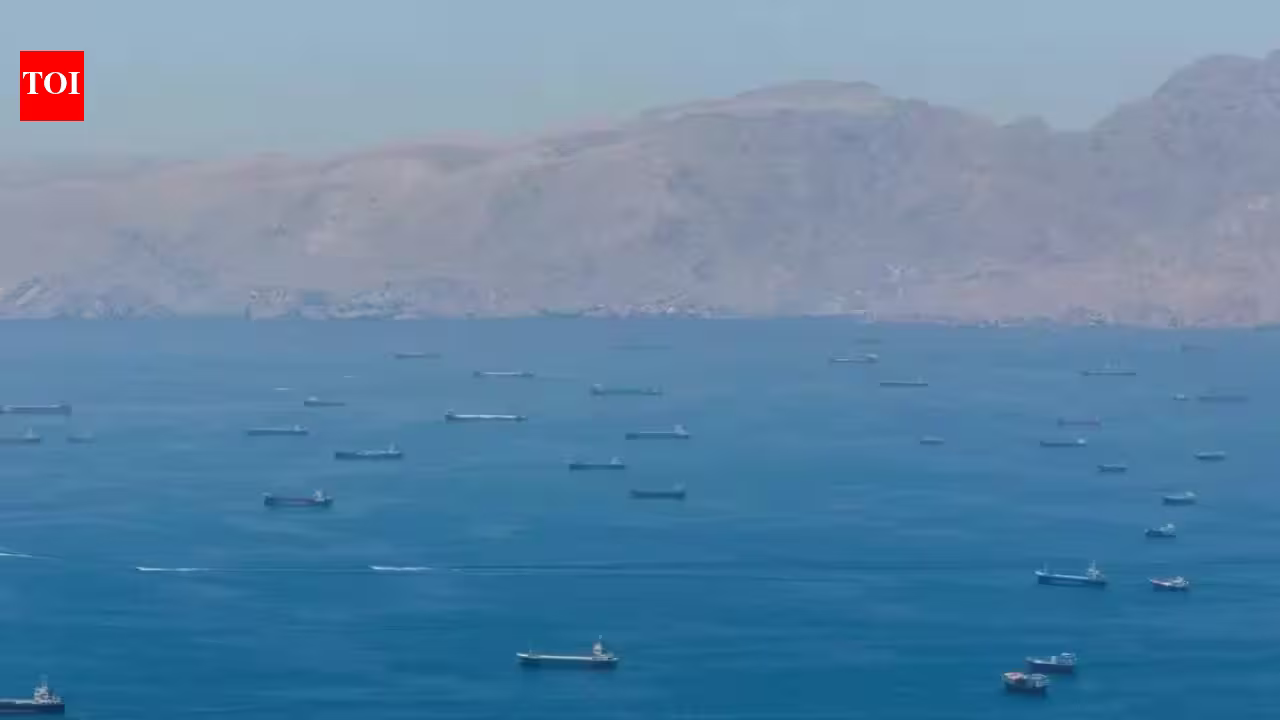
The Strait of Hormuz remains the world’s most critical maritime chokepoint, facilitating the transit of approximately one-fifth of global crude oil and liquefied natural gas (LNG) supplies. Recent data reveals that despite lingering geopolitical volatility and regional security concerns, LNG shipments through this narrow waterway reached a post-war high in September. This recovery, while tentative, provides a critical data point for global energy markets struggling with supply-chain predictability. With 19 to 21 cargoes recorded in September—a marked improvement over the 15 cargoes seen in June—the industry is observing a cautious normalization of transit patterns.
For the global economy, the stability of the Strait of Hormuz is not merely a regional issue but a fundamental requirement for energy security. As nations prepare for the winter months, when demand for heating fuel typically spikes, the ability of Qatar and the United Arab Emirates to project energy supplies through this artery is paramount. The current trend suggests that market participants are learning to navigate the complexities of a conflict-ridden maritime environment, employing a mix of security escorts and tactical vessel management to maintain the flow of essential commodities.
Navigating Security Risks and Dark Transits
The increase in LNG throughput has occurred against a backdrop of sophisticated navigational maneuvering. Tracking data from reputable sources such as Kpler and S&P Global Energy indicates that vessel movements are becoming increasingly opaque. The phenomenon of “dark transits,” where ships deliberately deactivate their Automatic Identification System (AIS) transponders, has become a significant variable in monitoring supply volumes. While this practice complicates the efforts of analysts to provide precise figures, it also highlights the extreme caution exercised by ship operators moving through high-risk zones.
The disappearance of vessels like the Al Kharaitiyat and Al Gharrafa within the strait, followed by their subsequent reappearance off the western coast of India, underscores the reliance on satellite and AIS-based tracking as an imperfect science in the current geopolitical climate. These “dark” windows, while useful for tactical evasion, create gaps in market intelligence that force energy importers to adjust their risk premiums. As the winter season approaches, the sustainability of these transit patterns will depend heavily on the evolution of regional military postures and whether current levels of maritime security, including naval escorts, are perceived as sufficient deterrents against escalation.
Implications for India’s Energy Security
India occupies a unique position in this maritime narrative. As a major consumer of Qatari LNG, the nation’s energy stability is tethered to the throughput of the Strait of Hormuz. The recent arrival of the vessel Milaha Qatar at the port of Hazira serves as a tangible example of the continued, albeit strained, connectivity between Persian Gulf exporters and Indian regasification terminals. For India, which is aggressively expanding its gas-based economy to reduce reliance on coal, any disruption in these supply corridors translates directly into higher domestic pricing and potential shortages for industrial and power sectors.
The Indian government and private sector importers are closely monitoring these transit volumes. The arrival of LNG carriers off India’s west coast provides a degree of reassurance that critical supply chains remain functional. However, the reliance on shipments originating from the Strait of Hormuz dictates that Indian energy policy must continue to prioritize diversification of import sources, including long-term supply agreements and the development of more robust local storage infrastructure. The volatility currently observed in the strait underscores the strategic necessity for India to maintain proactive diplomatic and maritime partnerships that ensure the security of its energy lifelines.
Market Outlook and the Winter Supply Challenge
The pivotal question facing the energy sector as 2024 concludes is whether the September rebound in shipments is a sustainable trend or a temporary fluctuation. Analysts suggest that if the current volume is maintained or improved through October, the industry could see transits recover to nearly 25 percent of pre-war levels. This represents a significant step toward stability, yet it remains far below the pre-conflict norm. The winter period usually brings an increase in global competition for LNG, particularly between Asian and European markets, making the reliability of the Hormuz transit routes a critical factor in price setting.
The “winter supply challenge” is further compounded by the geopolitical leverage exercised by regional actors. Iran’s military posturing remains the primary wildcard; should higher export volumes be perceived as a erosion of its strategic control over the waterway, the risk of a renewed crackdown or retaliatory escalation remains high. Market participants are hedging against this by factoring in the costs of naval escorts and extended transit times. The financial impact of these security measures is being absorbed by the global market, contributing to a premium that may persist as long as the underlying geopolitical uncertainty remains unresolved.
Future Resilience in Energy Logistics
The ongoing situation in the Strait of Hormuz has forced a fundamental rethink of energy logistics. The reliance on this single waterway is now viewed through an increasingly critical lens, driving discussions regarding the development of alternative pipelines and regional maritime infrastructure that bypass the most vulnerable sections of the strait. While such infrastructure projects require years of investment and political coordination, the current environment has provided a renewed impetus for these initiatives.
For industry players, the short-term reality is one of agile logistics. Companies are increasingly investing in proprietary tracking technology and enhanced maritime security protocols to protect their cargo. The transition from “business as usual” to a high-alert operational model has become the new standard. As the energy industry looks toward 2025, the lessons learned from the recent fluctuations in the Strait of Hormuz will likely inform more resilient procurement strategies. While the immediate focus remains on securing enough supply to weather the upcoming winter, the broader structural adjustments driven by these security concerns will define the landscape of international energy trade for years to come. The ability to navigate these challenges, while maintaining the steady flow of LNG, will remain the defining measure of success for both exporters in the Middle East and major importers like India.
Disclaimer: This content is auto-generated for informational purposes only.
Source: Read Original News