






WASHINGTON – With Election Day just one month away, two of the Senate’s most vulnerable incumbents—Georgia Democrat Jon Ossoff and Maine Republican Susan Collins—are defying national political headwinds by leaning into a timeless, often overlooked strategy: the relentless pursuit of constituent services.
In a campaign cycle dominated by the polarizing shadow of former President Donald Trump and fierce partisan combat on Capitol Hill, both senators have found that the “mundane” work of local governance serves as a potent shield against national political attacks.
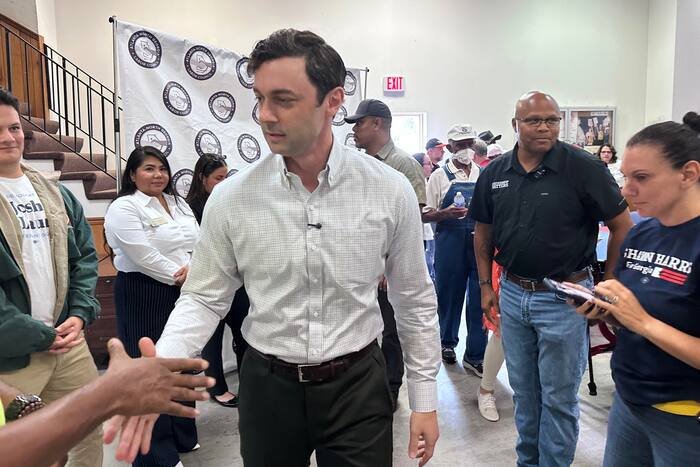
For Senator Ossoff, the strategy was put to the test following Hurricane Helene’s destruction in the fall of 2024. As one of the first high-ranking officials to reach Valdosta, Georgia, Ossoff spent days navigating storm-ravaged blocks to coordinate federal relief. The visibility of that response, combined with consistent attention to regional needs—from veteran benefits to securing federal grants for local dialysis centers—has helped him build a surprising coalition of support.
“There’s not a community in Georgia that can’t say Jon helped us,” is the underlying message of his campaign, which has successfully countered his opponent, Republican Rep. Mike Collins, and his attempts to paint the first-term senator as too liberal for the state. Ossoff has even secured endorsements from Republican officials, such as Valdosta Mayor Scott James Matheson, who praised the senator’s hands-on approach to the disaster.
“He doesn’t vote the way I want him to vote,” conceded Chan Jones, chair of the Georgia Republican Party’s 8th Congressional District committee, who nevertheless noted that Ossoff’s office was instrumental in resolving a difficult federal grant issue. “But as far as the way they’ve carried themselves and handled the job, I can’t knock that.”
Up the Eastern Seaboard, five-term Senator Susan Collins is employing a similar playbook to survive in a state that consistently leans Democratic in presidential contests. As chair of the Senate Appropriations Committee, Collins has made her ability to direct federal dollars to Maine the centerpiece of her reelection bid against Democrat Troy Jackson.
Whether it is securing $3 million for senior housing in small towns like Calais or funding programs to combat timber-threatening pests, Collins frames her seniority as an indispensable asset. At a recent manufacturing conference, she bluntly told voters, “That will go away with a freshman senator.”
Political strategists note that this “home-game” strategy is an old script that has historically saved incumbents in tight races, such as the late Senator Thad Cochran in Mississippi. While national media attention and fundraising remain critical, observers argue that the local touch remains the bedrock of legislative survival.
As the final month of the campaign begins, the outcomes for both remain in flux. While Ossoff has moved from a target to a perceived favorite, Collins faces a tossup race, battling the weight of Trump’s lagging popularity and voter frustration over inflation. However, for both candidates, the consistent delivery of federal assistance has provided a vital buffer, forcing voters to weigh the national political narrative against the tangible results sitting in their own backyards.
Disclaimer: This content is auto-generated for informational purposes only.
Source: Read Original News