






The Anatomy of Consumption Decline in India
The Indian consumer landscape is undergoing a significant transformation characterized by extreme caution and heightened price sensitivity. For several years, the narrative surrounding the Indian market centered on burgeoning consumption, expanding middle-class aspirations, and robust demand across both rural and urban corridors. However, the current economic climate, defined by persistent inflationary pressure, has forced a recalibration of household budgets. This shift is not merely a temporary reaction to seasonal trends but a structural change in spending behavior driven by the erosion of disposable income.
When macroeconomic indicators such as fuel prices and energy costs rise, the immediate consequence is a tightening of household purse strings. In the Indian context, where a significant portion of family income is allocated toward non-discretionary items, any inflationary spike forces a trade-off. Data from the first half of the year suggests that consumers are systematically trimming expenditures on non-essential goods. This phenomenon is particularly pronounced in the entry-level segment, which is highly vulnerable to price fluctuations. As the cost of logistics and packaging rises, companies have been compelled to raise prices, thereby reaching a point where the consumer’s threshold for expenditure is being tested.
Dissecting the Rural-Urban Divide
The impact of inflation on Indian consumption is not uniform; it reveals a stark divergence between rural and urban markets. Rural India, which often serves as the growth engine for the Fast-Moving Consumer Goods (FMCG) sector, has experienced a more pronounced contraction. Recent market research indicates a significant decline in grocery spending within rural households. This decline is largely attributed to the direct impact of input cost inflation on farming and transportation, which limits the surplus income available for packaged commodities.
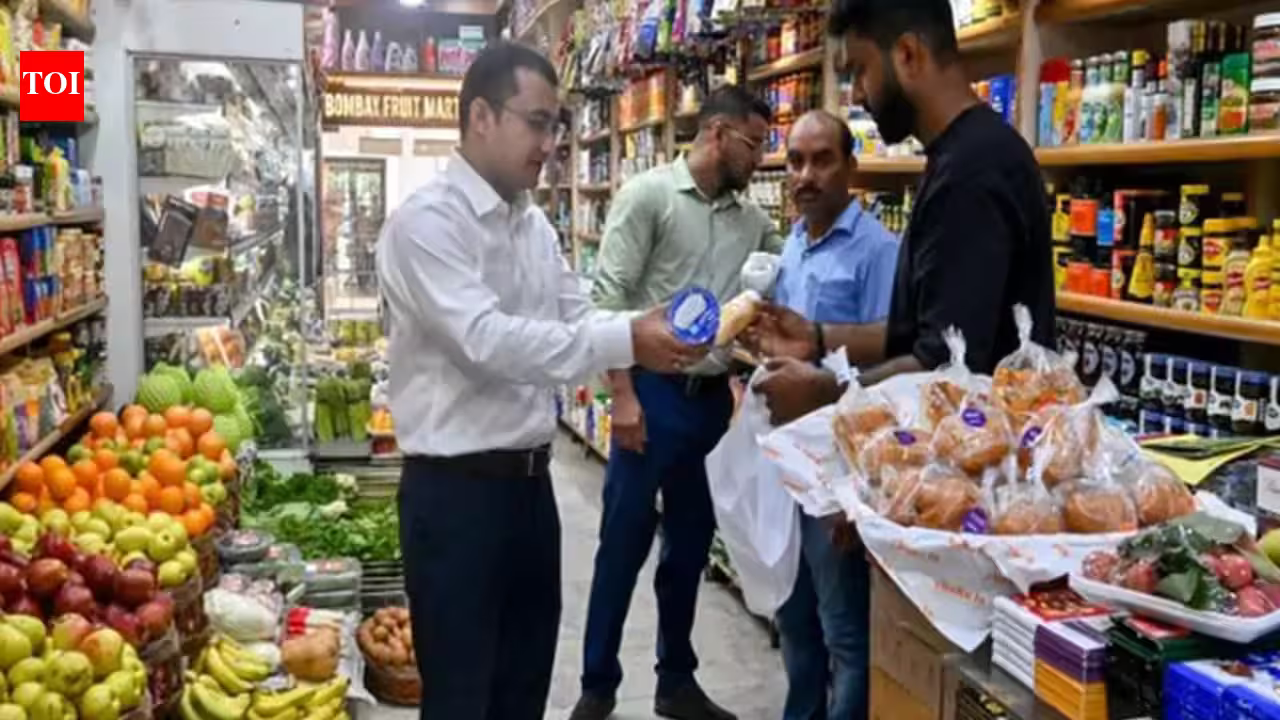
Conversely, urban areas have also witnessed a slowdown, though the behavioral triggers differ. Urban consumers face pressure from higher EMI commitments and the rising cost of services, which compresses the disposable income available for discretionary purchases. While urban shoppers possess a higher resilience due to diversified income streams, the sheer volume of price increases across categories has led to a reduction in basket sizes. The shift is palpable: consumers are opting for smaller stock-keeping units, private labels, or simply postponing purchases that do not fall under the category of absolute necessities. This retreat from the market is a clear signal that even the most aspirational demographics are currently prioritizing financial security over consumption.
The Impact on FMCG and Essential Commodities
The FMCG sector, often considered a barometer for household health, is currently grappling with stagnant or declining volumes. According to recent industry snapshots, a majority of product categories—ranging from detergents and soaps to packaged foods—have experienced negative growth in volume. This indicates that price hikes have finally outpaced the consumer’s willingness to pay. When the price of a basic utility item increases, households do not necessarily stop consuming, but they often switch brands or reduce the frequency of replenishment.
Crucially, the erosion of the “magic price points”—the standard 5 and 10 rupee packs—has disrupted the retail ecosystem. These price points have traditionally served as the bridge between manufacturers and price-sensitive consumers, particularly in the lower-income strata. By being forced to raise prices or shrink pack sizes to accommodate rising commodity costs, brands are facing a dual challenge: maintaining margins without alienating their core user base. Companies that rely on high-volume, low-margin business models are now finding that any further upward adjustment in pricing could lead to a permanent loss of market share, as consumers move toward more affordable local alternatives or unorganized sector offerings.
Strategic Responses and Brand Realignment
Faced with a cooling demand environment, corporate India is shifting its strategy from aggressive pricing to a focus on affordability and distribution efficacy. Large manufacturers are moving away from consecutive rounds of price hikes, recognizing that such moves risk triggering a long-term change in consumer loyalty. Instead, the focus is shifting toward supply chain optimization and the maintenance of product availability.
The strategy of “affordability over profitability” is becoming the standard for major market players. This involves maintaining presence at accessible price points, even if it requires absorbing a portion of the input cost inflation. By focusing on distribution, firms aim to ensure that their products remain the default choice when a consumer eventually chooses to make a purchase. Furthermore, the reliance on data-driven inventory management is helping companies navigate the slowdown by focusing only on high-velocity products. This tactical retreat from expanding product portfolios is a reflection of a wider corporate sentiment: survival in the current climate requires the preservation of market footprint rather than the pursuit of short-term margin growth.
Future Outlook and Market Stability
The road ahead for the Indian consumer market remains tied to the volatility of global energy markets and domestic fiscal policy. While the easing of some commodity costs may provide relief, the lag effect of previous price hikes will likely keep consumer caution elevated for several quarters. The current period of scrutiny is forcing households to re-evaluate their spending patterns, which may lead to a more permanent shift toward value-conscious purchasing even after inflationary pressures recede.
For businesses, this phase serves as a stress test for brand equity. Companies that are able to offer genuine value—either through product innovation that justifies a price point or through operational efficiencies that keep costs low—will likely emerge in a stronger position. The Indian market remains a long-term growth story, characterized by its scale and demographic dividend, but the path to growth in the near term is paved with rigorous cost-consciousness. The winners of this cycle will be those who successfully demonstrate empathy for the consumer’s financial constraints while maintaining the integrity of their product offerings. The ability to pivot toward affordability without compromising on reach will be the defining trait of successful businesses in the coming year.
Disclaimer: This content is auto-generated for informational purposes only.
Source: Read Original News