






Punjab Congress at Crossroads: The Search for a New Leader After Warring’s Resignation
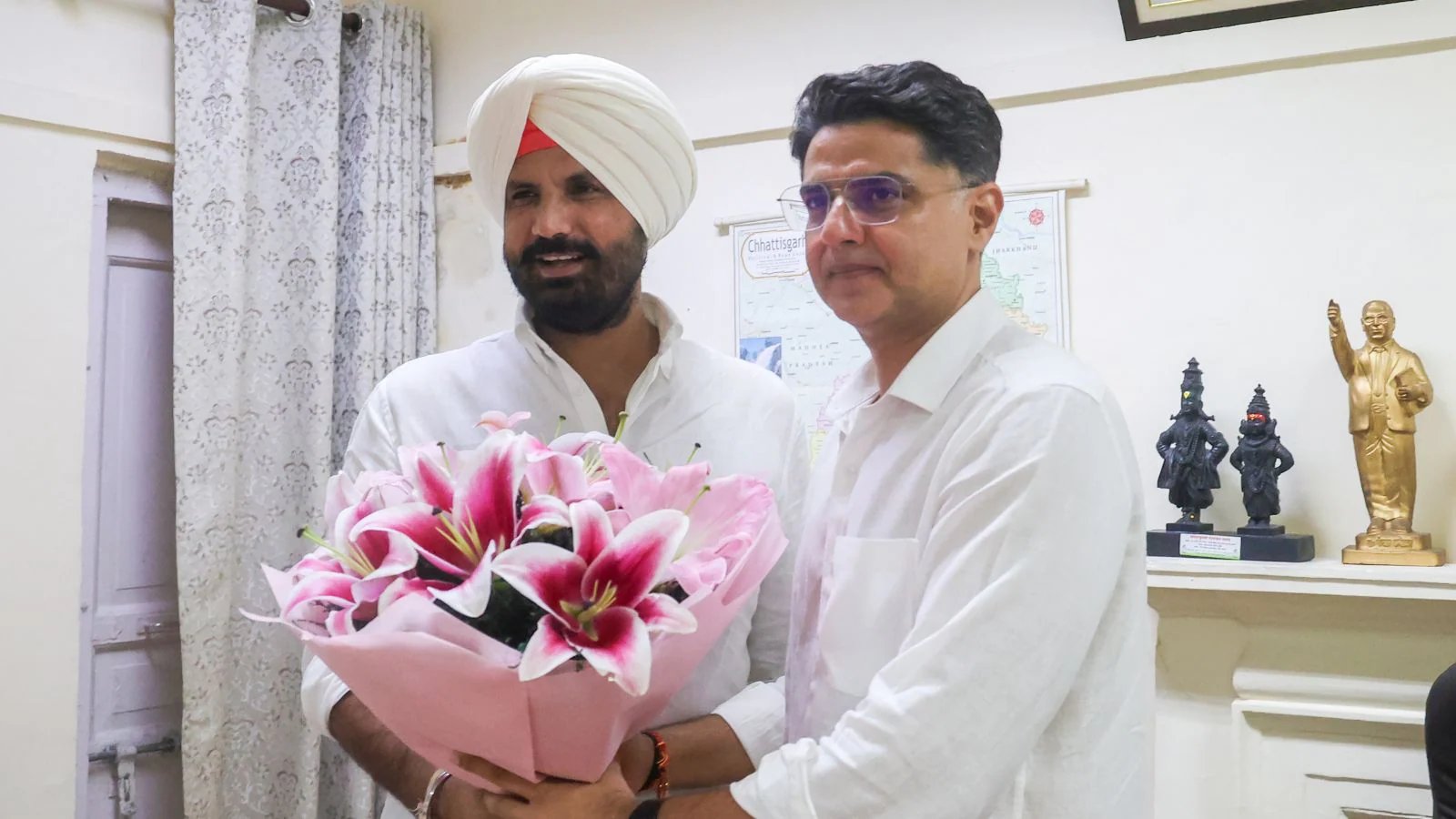
Chandigarh: The resignation of Amarinder Singh Raja Warring as the president of the Punjab Pradesh Congress Committee has plunged the state’s primary opposition party into a period of strategic introspection. As the Congress high command begins the search for his successor, the focus has shifted from mere personnel changes to a broader restructuring of the party’s electoral roadmap for the 2027 Assembly elections.
Party insiders indicate that the leadership is currently engaging in a widespread consultative process, gathering feedback from organizational functionaries and grassroots workers to ensure the next appointment aligns with a cohesive, state-wide campaign strategy.
The Great Balancing Act: Jat Sikh vs. Hindu Face
The central dilemma for the Congress leadership lies in defining the identity of the next state unit chief. Historically, the party has often leaned toward the Jat Sikh community—which holds significant political sway in Punjab—to lead the state organization. However, the current political climate necessitates a more nuanced approach.
With the Hindu community constituting approximately 40% of the state’s population, there is a vocal internal lobby advocating for the appointment of a prominent Hindu leader. Former minister Vijay Inder Singla, representing the Bania community, has emerged as a frontrunner in this narrative. Proponents of this shift argue that a Hindu president could significantly broaden the party’s footprint in urban and semi-urban centers, where demographic representation is crucial for any successful bid for power.
Conversely, the traditional camp argues that abandoning the party’s reliance on a Jat Sikh face could risk alienating their core agrarian support base. Potential candidates from the Jat Sikh community, including Pargat Singh, Sukhjinder Singh Randhawa, Rana KP Singh, and Sukhbinder Singh Sarkaria, remain firmly in the consideration pool. This faction contends that as rival parties like the BJP, SAD, and even the emerging radical voices maintain a clear focus on the Jat Sikh demographic, the Congress cannot afford to lose its traditional leadership optics.
Factional Dynamics and Electoral Preparedness
The leadership transition is taking place amidst a legacy of internal friction. The long-standing rift between the camps led by Raja Warring and former Chief Minister Charanjit Singh Channi has left the party’s internal dynamics fragile. While the leadership of the campaign committee rests with Channi, the appointment of a new party president will be the ultimate test of the high command’s ability to unify these competing interest groups.
Furthermore, the Congress is acutely aware of the tactical positioning of its rivals. The Aam Aadmi Party (AAP) has effectively blended leadership by pairing a Hindu state unit chief, Aman Arora, with the charismatic, rural-rooted appeal of Chief Minister Bhagwant Mann. This move has pressured the Congress to rethink its own socio-political composition to ensure it can counter the AAP’s reach across all regions of the state.
Moving Beyond the Leadership Vacuum
Addressing the media following his resignation, Raja Warring maintained that his decision was voluntary, rooted in his understanding of the party’s need for a fresh start ahead of the 2027 polls. As the party moves toward a decision, the internal debate has evolved from “who should be removed” to “who has the organizational acumen to take on the incumbency of the AAP government.”
Ultimately, the Congress high command faces the difficult task of selecting a leader who can not only bridge the urban-rural divide but also command respect across caste lines. With the 2027 polls drawing closer, the incoming president will have a narrow window to consolidate the party machinery and present a unified front to a public that is already weighing its options.
Disclaimer: This content is auto-generated for informational purposes only.
Source: Read Original News