







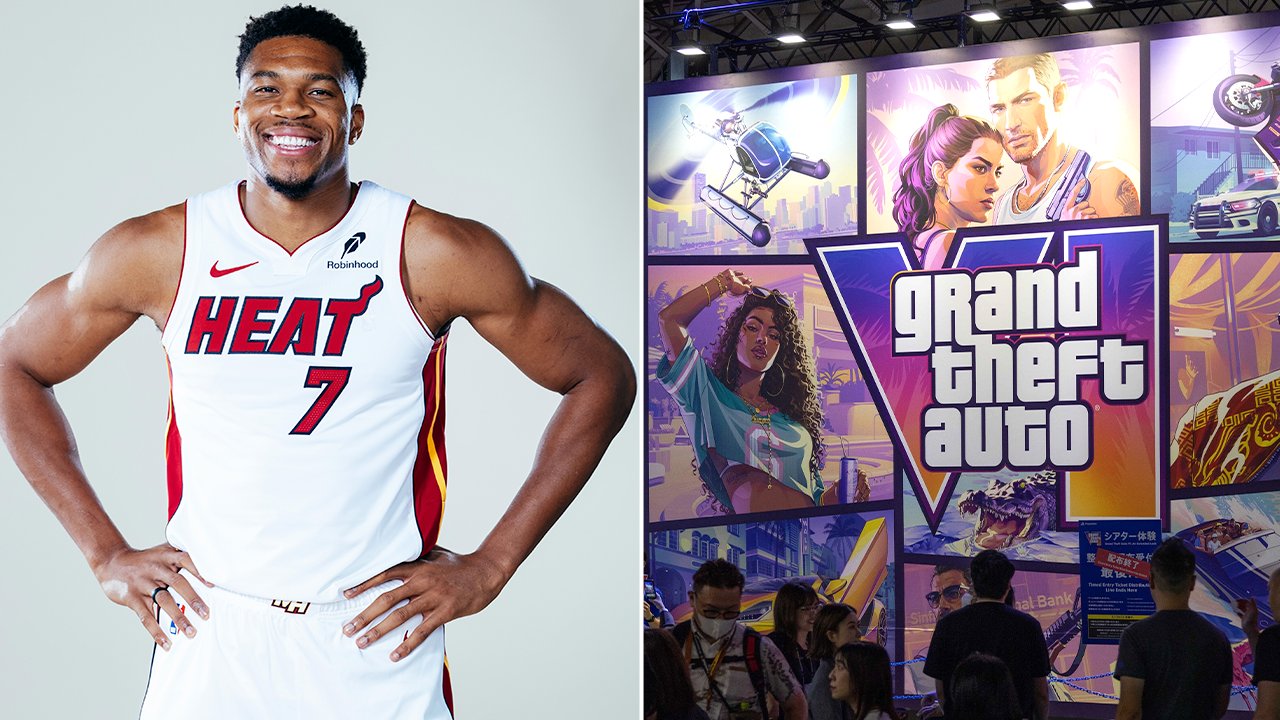
The gaming industry is bracing for what is widely projected to be the most significant entertainment launch in history. As the release date for “Grand Theft Auto VI” approaches on November 19, the cultural influence of the title is beginning to manifest in ways that bridge the gap between digital interactivity and professional sports. The Miami Heat have officially signaled their participation in this event, transforming their branding and home arena to mirror the aesthetic of the game’s setting, “Vice City,” a fictionalized adaptation of Miami.
A New Paradigm in Cross-Industry Promotion
The collaboration between Rockstar Games and the Miami Heat represents a milestone in marketing integration. While sports titles like the NBA 2K series often feature cross-promotional content within digital spaces, it is rare to see a major non-sports game impact physical, high-profile sports branding to this extent. On November 18, the evening before the game’s official launch, the Heat will host the Milwaukee Bucks while debuting a completely redesigned “Vice City” uniform collection.
The integration extends beyond apparel. The Kaseya Center, where the Heat play, will undergo a thematic transformation, including the installation of a massive “Welcome to Vice City” display on the roof, complete with the Roman numeral “VI” logo that has become synonymous with the upcoming game. The basketball court itself will be customized for the occasion, marking a departure from standard league branding to create a fully immersive environment for spectators and broadcast viewers.
Technical Expectations for the Release
“Grand Theft Auto VI” has been in development for over a decade, and the technical anticipation surrounding its release is immense. The game is expected to push the boundaries of current-generation hardware, specifically the PlayStation 5 and Xbox Series X/S. Industry experts anticipate the title will utilize advanced engine capabilities to deliver unprecedented detail in its open-world design, including sophisticated environmental physics, complex AI-driven NPCs, and ray-traced lighting models that emulate the neon-soaked, coastal atmosphere of its Miami-inspired setting.
The scale of this release serves as a benchmark for modern game development. As titles grow in file size and processing requirements, the industry is closely watching how the engine handles the density of urban environments at high resolutions. The promotional materials released thus far suggest a focus on high-fidelity textures and expansive map traversal, which have been hallmarks of the series’ progression since its transition to high-definition rendering.
Impact on User Engagement and Media
The scale of this marketing campaign highlights the shift in how video games are perceived within the broader entertainment landscape. By aligning with a professional NBA team, the release moves beyond the confines of gaming forums and storefronts, positioning itself as a pop-cultural event similar to a blockbuster film premiere. This strategy maximizes visibility, reaching audiences who may not be traditional gamers but are engaged with professional sports and lifestyle trends.
From a commercial perspective, this integration addresses the challenge of audience fragmentation. By embedding “Grand Theft Auto VI” into the live broadcast of an NBA game, the developers ensure that the brand remains omnipresent during the lead-up to the launch. This multi-channel approach is necessary for a release of this magnitude, given the high expectations from the consumer base and the financial stakes involved for the publisher, Take-Two Interactive.
The Cultural Intersection of Sports and Simulation
The decision by the Miami Heat to adopt the “Vice City” theme is not merely a superficial marketing tactic; it reflects the deep intersection between professional athletics and digital simulation. The NBA has long been a frontrunner in digital engagement, and the incorporation of the “Vice City” aesthetic underscores a shared identity between the league’s high-octane branding and the high-energy nature of the game.
Observers note that this synergy may pave the way for future partnerships where professional sports teams serve as physical conduits for digital world-building. For the player base, the event serves as a high-visibility acknowledgement of the gaming community’s influence on mainstream culture. As players prepare for the November 19 launch, the integration of these two massive sectors—professional sports and interactive software—highlights how modern audiences consume media across distinct but overlapping platforms.
Future Outlook and Industry Implications
As the launch date approaches, the “Grand Theft Auto VI” release will likely become a case study for future marketing strategies. Analysts suggest that if this collaboration yields high engagement, it will set a new standard for how major intellectual properties interact with physical venues. The impact of such a massive release often leads to temporary shifts in consumer behavior and market focus, influencing everything from hardware sales to social media trends.
While the primary focus remains on the gameplay experience and the narrative depth of the new installment, the surrounding ecosystem of merchandise, jersey designs, and stadium atmosphere provides a clear indicator of how far the industry has evolved. For developers and marketers alike, the success of this multifaceted rollout will provide valuable insights into the power of convergence, setting the stage for how future industry-defining titles will choose to introduce themselves to the global market.
Disclaimer: This content is auto-generated for informational purposes only.
Source: Read Original News