







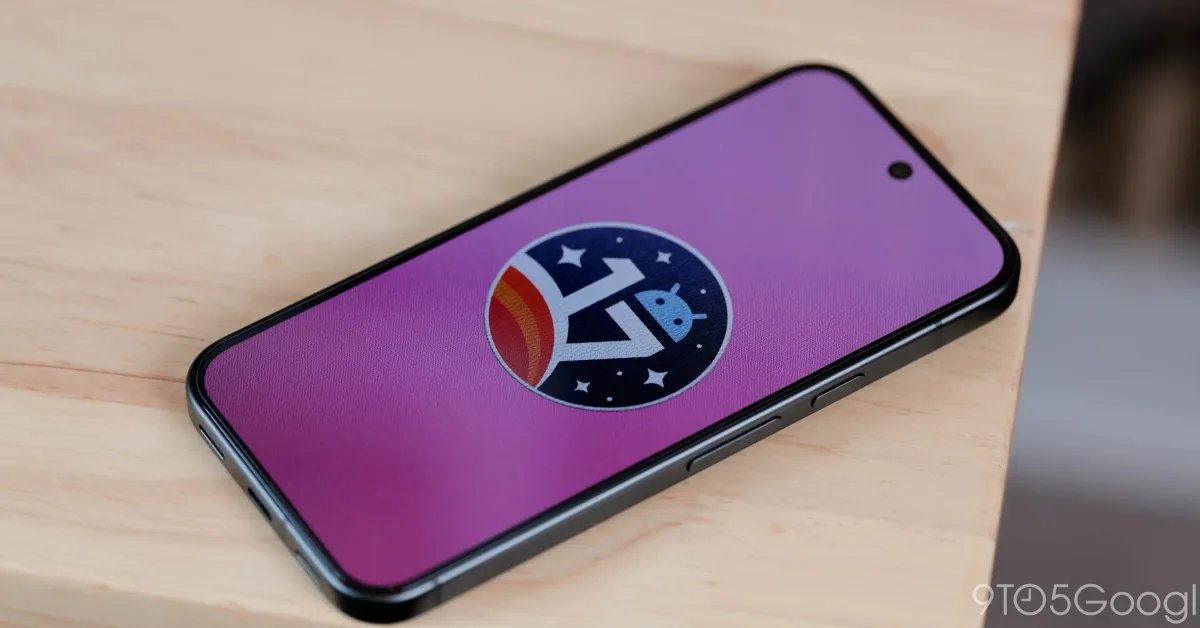
Google has officially initiated the testing phase for Android 17 QPR3 Beta 1, following closely on the heels of the recent QPR2 release. This update serves as the latest step in the company’s iterative development cycle, with a stable public launch anticipated for March 2027. By prioritizing stability and addressing critical performance bottlenecks, this beta release offers a comprehensive look at the refinement process currently underway for the Android platform.
Refining System Stability and Performance
The primary objective of the QPR3 Beta 1 release is the resolution of long-standing stability issues that have plagued earlier iterations of the Android 17 architecture. The update includes a broad list of bug fixes aimed at core system services and user interface consistency. Among the most notable improvements is a fix for a recurring issue where devices would freeze or become completely unresponsive during fingerprint authentication, a problem that impacted various hardware configurations.
Furthermore, the update addresses several critical system crashes. One significant patch resolves a specific instance where the telephony stack (com.android.phone) would enter a crash loop, resulting in a total loss of cellular connectivity when the modem reported unexpected SIM slot indices. This level of granular bug fixing is essential for ensuring that the transition to the eventual stable release provides a seamless experience across the entire Pixel device lineup.
Advancements in Connectivity and Audio Management
This beta version introduces targeted improvements to how Android handles complex connectivity scenarios. Engineers have resolved issues related to Wi-Fi persistence, particularly regarding background wake states where hardware-level Preferred Network Offload (PNO) scans were failing. This adjustment ensures that devices maintain stable network connections even when the system is in a low-power state.
Audio handling has also received significant attention. Users who experienced playback failures with high-fidelity LHDC v5 Bluetooth devices when a secondary device disconnected will find the behavior corrected in this release. Additionally, the system now provides better control over audio output device switching, specifically for applications that previously lacked active media controls, preventing erratic behavior when routing sound between internal speakers and peripheral audio gear.
Addressing Critical Security and Hardware Integration
Security and authentication components were major focal points for this development cycle. The update addresses a vulnerability that caused system crashes when users enabled the “require eyes to be open” setting within the Face Unlock configuration. By stabilizing this biometric pathway, Google is strengthening the reliability of its primary security features.
Hardware integration has also been improved to handle edge cases in peripheral usage. For instance, the update resolves a camera rotation error that occurred when video calling applications were utilized on external displays within desktop mode. Furthermore, it rectifies a conflict where the front-facing camera would fail to operate correctly while a screen recording session was actively running. These fixes represent the ongoing effort to ensure that the Android ecosystem remains robust as it integrates with increasingly diverse hardware setups and multi-display configurations.
Streamlined User Experience and Interface Polishing
Beyond the under-the-hood technical corrections, the beta includes several UI-specific refinements designed to improve daily usability. Developers addressed reported inconsistencies in the app menu, where icon spacing was previously deemed excessive, leading to a more uniform and visually balanced layout. Furthermore, the “recent apps” overview screen has been patched to ensure that application previews populate consistently, resolving a visual lag that previously hindered navigation.
The update also clears up telemetry-related confusion, such as the removal of an unexpected dot that appeared on the Mobile Data icon within the Quick Settings panel. These modifications, while seemingly minor, demonstrate a commitment to a high-quality user experience and the reduction of visual clutter within the operating system.
Installation and Beta Participation Guidelines
Android 17 QPR3 Beta 1 is currently available for a wide range of devices, spanning from the Pixel 6a through the latest Pixel 11 Pro Fold. Interested users can opt into the Android Beta Program to receive the update as an over-the-air (OTA) notification. Google has provided clear instructions for those wishing to exit the program: users who opt out before installing the latest beta version can return to the stable public release of QPR2 without data loss.
However, the company warns that opting out after the installation of Beta 1 will trigger a factory reset. For users currently testing the software, the Android Beta Feedback app serves as the primary portal for reporting new issues directly to the development team. By utilizing these formal channels, participants play a crucial role in providing the diagnostic data required to polish the operating system ahead of its widespread deployment in the spring.
Disclaimer: This content is auto-generated for informational purposes only.
Source: Read Original News