






The Vanishing Illusion: How the Pandemic Struck a Final Blow to India’s Street Magicians
For generations, the rhythmic clatter of props and the mystique of sleight-of-hand have been woven into the fabric of Indian street life. However, the legacy of the 2020 pandemic has pushed these traditional performers to the precipice of extinction. What was once a vibrant cultural staple is now struggling to survive, as the Covid-19 lockdowns served as a catalyst for a decline that many artists fear may be irreversible.
A Disappearing Act
When India abruptly shuttered its public spaces in 2020, the lifeline of street performers was severed overnight. With no crowds to gather around, magicians were forced to retreat to their ancestral villages, far from the urban hubs where they plied their trade. For many, the return to city life never happened.
According to industry observers, the pandemic did not just pause these careers; it dismantled them. “We saw a sharp decline in public performances following that period,” notes Dhanda, an expert in the field. “The brunt was particularly severe for those operating on the streets, many of whom simply could not afford to sustain their livelihoods in cities once the restrictions lifted.”
The Economic Toll
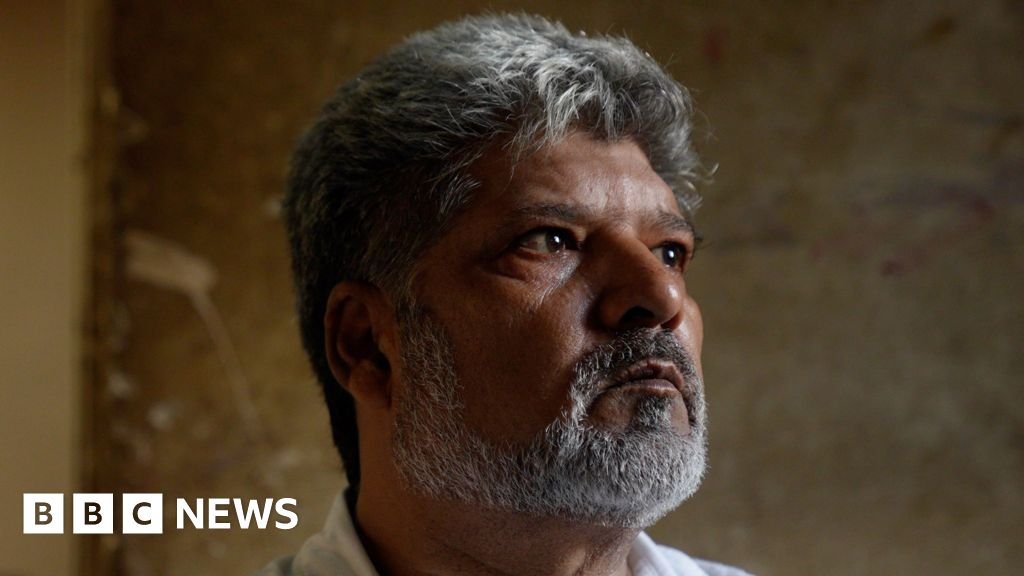
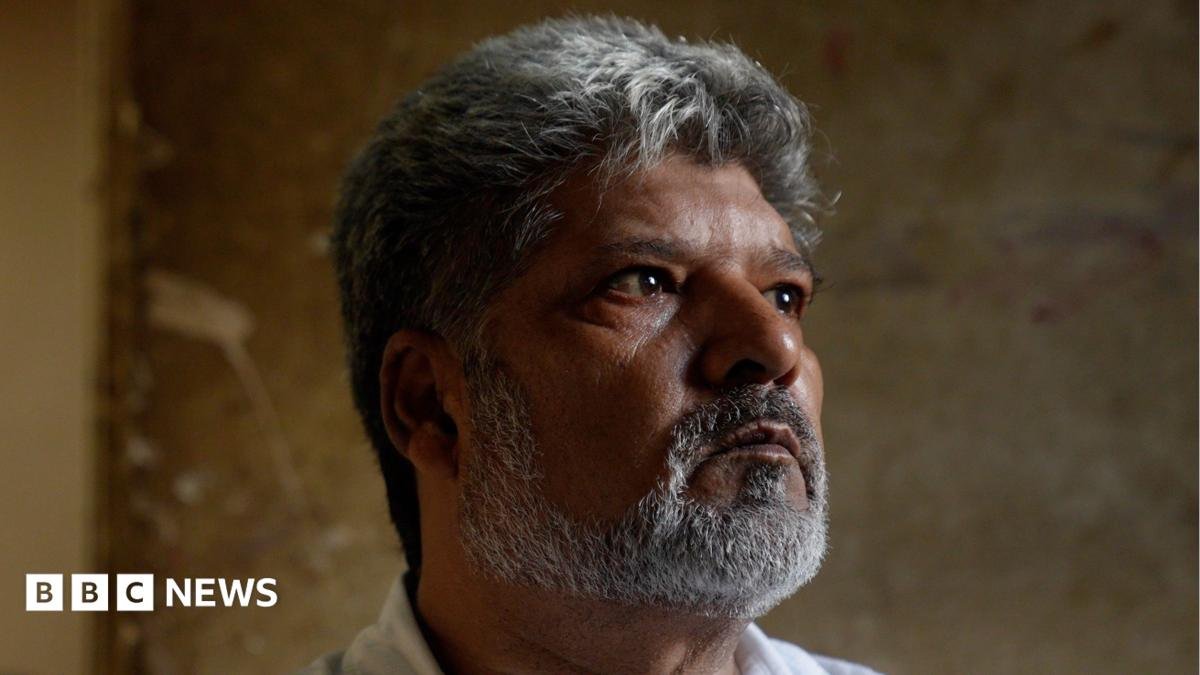
For those like 42-year-old Shahim Khan, who continues to navigate the streets of Delhi with his young daughter, Alia, the post-pandemic reality is a shadow of what it once was. The bustling squares that previously hosted his shows have been replaced by desolate industrial fringes.
The economic fallout is stark. Prior to the onset of the pandemic, Khan could comfortably stage four to five performances daily, bringing in a respectable income of 1,000 to 1,200 rupees. Today, he is fortunate to manage two shows, with his daily earnings plummeting to a mere 200–400 rupees—a figure that barely sustains a family in the capital.
Changing Tastes and Digital Pressures
The plight of the street performer is further compounded by a shifting cultural landscape. The rise of short-form digital entertainment—scrolling feeds and viral clips—has captured the attention of a generation that is increasingly detached from live, tactile street arts.
Moreover, national priorities regarding culture have shifted. “Decades ago, there was immense fascination, particularly from Western audiences, with classic Indian tropes like the rope trick,” Dhanda explains. “But tastes have evolved, and the way India chooses to project its cultural identity has pivoted away from these traditional forms.”
A Legacy Lost to Time
For practitioners like Khan, the crisis is existential. A trick, he argues, is only as alive as the person practicing it; once the lineage of instruction is broken, the magic dies. Khan had long nurtured the hope that his son, Altamash, would carry the torch. However, economic necessity forced Altamash to pivot toward more stable, albeit less artistic, ventures like party balloon decorating.
The physical toll of this shift is already evident. After years away from consistent practice, Altamash admits his once-nimble hands have lost their rhythm. During a recent demonstration, the struggle to recall his own childhood techniques was palpable. “I am slowly forgetting all the tricks,” he confesses, marking the quiet death of a family trade.
As the streets of India modernize, the magician is becoming a figure of the past—a ghost of a simpler time, fading behind the veil of a digital future. For families like the Khans, the hardest part is not just the lack of income, but the realization that the magic they once shared with the world is being erased from history.
Disclaimer: This content is auto-generated for informational purposes only.
Source: Read Original News