






Handshake Dilemma Looms Over India-Pakistan Asian Games Cricket Final
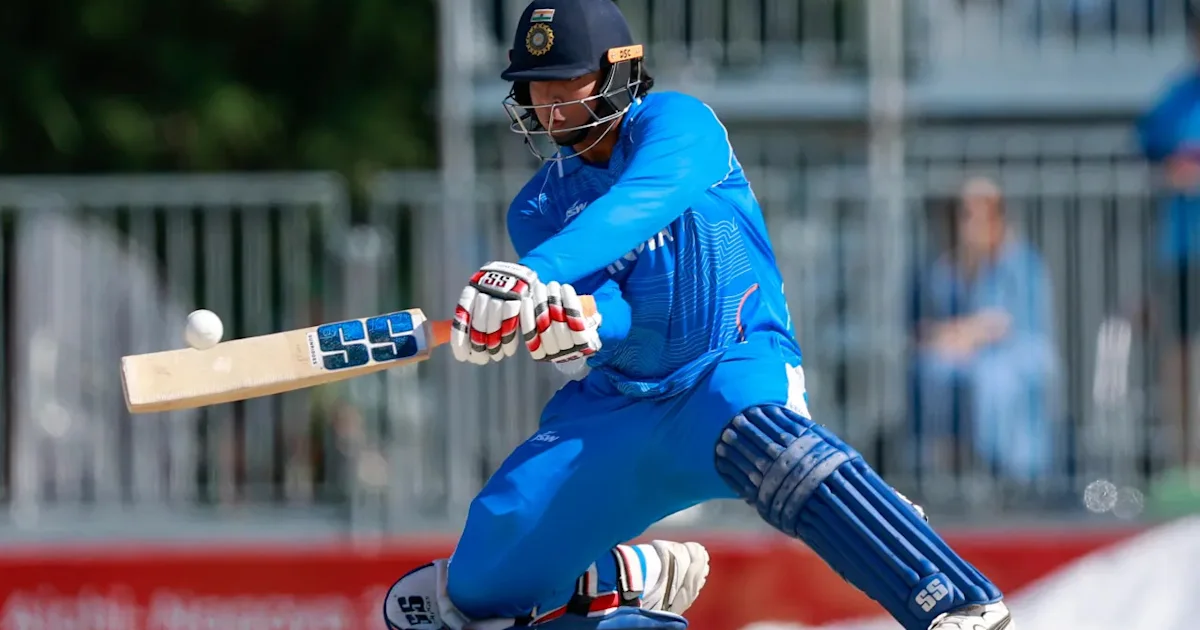
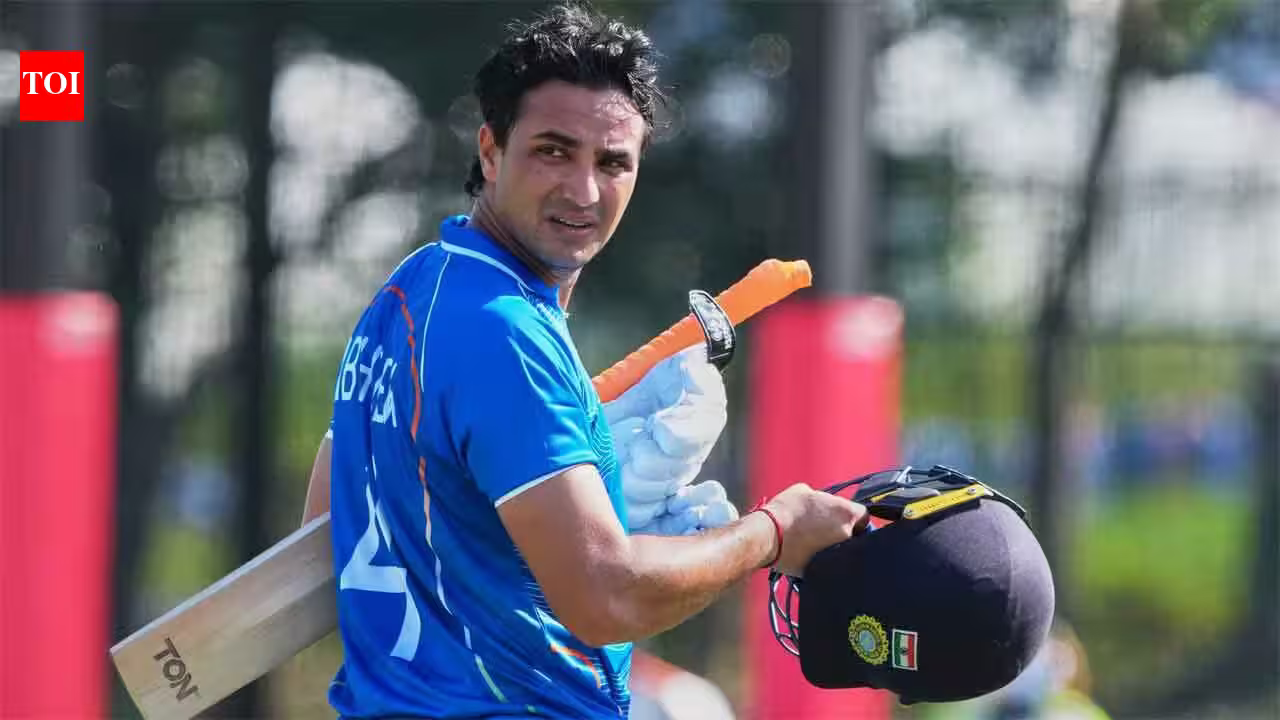
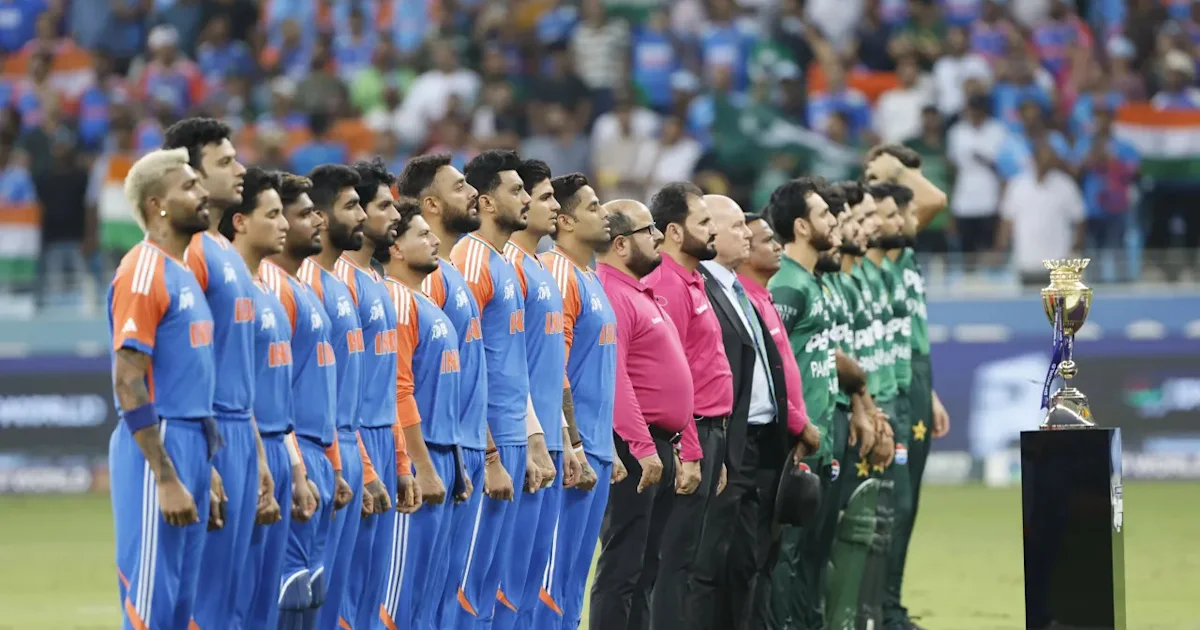
The gold medal match between India and Pakistan at the 2026 Asian Games in Japan has become the center of intense speculation, not just for the high-stakes cricket, but for the looming question of post-match conduct. As the two cricketing arch-rivals prepare to face off in the final, the global sports community is watching closely to see if the players will engage in the traditional post-match handshake, a gesture that has become increasingly complicated in the context of recent bilateral tensions.
A Contrast in Sporting Culture
The uncertainty surrounding the handshake stems from a distinct shift in the Indian cricket team’s behavior during recent ICC and ACC fixtures. Following heightened cross-border tensions and the strategic implications of Operation Sindoor, Indian cricket squads have adopted a policy of refraining from formal handshakes with their Pakistani counterparts. This approach is widely viewed as aligning with the broader stance taken by the Indian government regarding sporting relations with Pakistan.
However, the Asian Games operate under a unique framework. Governed by the Olympic Council of Asia (OCA) and the International Olympic Committee (IOC), these Games prioritize the spirit of multi-sport unity. Evidence of this inclusive culture has already been seen in Japan, where Indian athletes competing in hockey, squash, table tennis, and volleyball have participated in customary handshakes and even friendly exchanges with their Pakistani rivals without any incident. The fact that the cricket team remains the notable exception to this pattern has placed them under a significant spotlight.
The Final Decision
The responsibility for determining the team’s conduct in the final lies with senior officials, including BCCI secretary Devajit Saikia. These administrators face the delicate task of balancing the team’s established policy against the broader, more cordial atmosphere synonymous with the Olympic spirit of the Asian Games.
While the captains—India’s Shreyas Iyer and his Pakistani counterpart—opted for warm nods and smiles rather than formal handshakes during the pre-match coin toss, the post-match ceremony remains the primary point of interest. Regardless of individual preferences, the protocols of the Asian Games demand that both teams share the medal podium. This shared space will inevitably bring the two sides together, mirroring the situation seen during the women’s cricket tournament, where the finalists stood together in an unavoidable display of sporting proximity.
Keeping the Focus on the Game
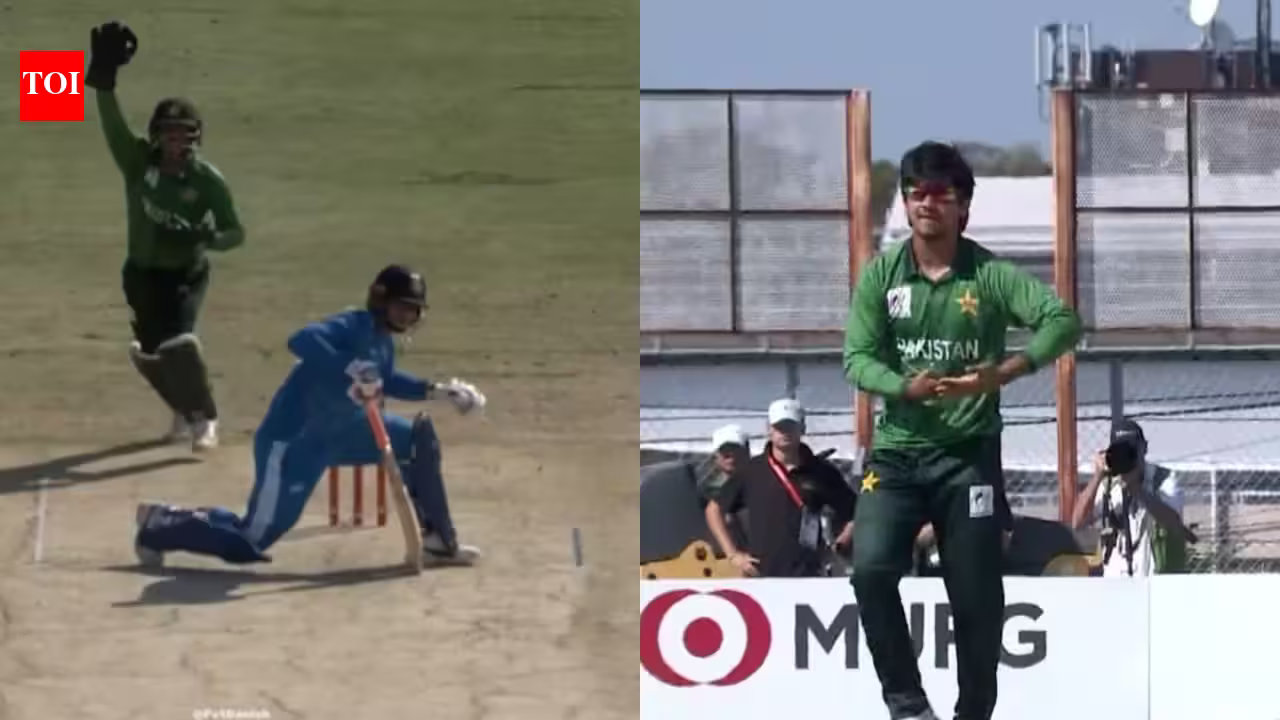
Despite the surrounding discourse, both teams have maintained a professional demeanor on the field. During the toss, the focus remained strictly on the dry, challenging pitch conditions and the tactical execution required to secure a gold medal. As fans tune in via the Sony Sports Network in India and PTV Sports in Pakistan, the primary narrative continues to be the intense on-field rivalry that defines every India-Pakistan encounter.
Ultimately, while the lack of a formal handshake may spark debate in the media, the athletes remain focused on the task at hand. Whether or not a symbolic gesture takes place on the podium will be a defining image of the tournament, but for the players, the priority remains the pursuit of the gold medal and the pride of their respective nations.
Disclaimer: This content is auto-generated for informational purposes only.
Source: Read Original News