








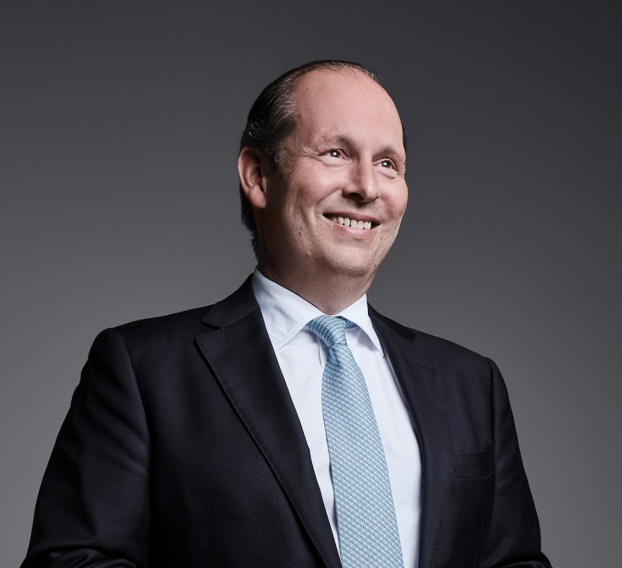
Jumeirah Group is undergoing a strategic transformation as Chief Executive Officer Thomas B. Meier spearheads a drive to evolve the brand from a Dubai-centric icon into a globally balanced luxury powerhouse. Having officially assumed the permanent CEO role in January 2025 after a stint as interim leader, Meier is now steering the company toward a targeted portfolio of approximately 50 properties by 2030.
The mission, according to Meier, is not mere expansion for the sake of scale. Instead, Jumeirah is focusing on a curated approach that prioritizes gateway cities and prime resort destinations capable of bolstering the brand’s global footprint. With 29 properties currently operational across 11 countries, the roadmap involves navigating the delicate balance between maintaining the brand’s signature opulence and ensuring cultural relevance in diverse international markets.
Meier brings a distinct operational pedigree to the helm. An alumnus of the Ecole hôtelière de Lausanne, his career has spanned leadership roles at Raffles, Fairmont, Swissotel, and Minor Hotels. His experience navigating the complexities of scaling brands across Asia and the Middle East has informed his philosophy: luxury must be recognizable without becoming repetitive. This “property-led” background is proving vital as Jumeirah looks to replicate its success in regions where its brand recognition is less established than in its home base of the UAE.
A core pillar of Meier’s strategy is the elevation of the guest experience beyond the traditional hotel stay. This is evident in the recent debut of luxury yachting experiences aboard the Maltese Falcon, a move designed to integrate the brand into the broader lifestyle of the modern high-net-worth traveler. Simultaneously, Jumeirah is refining its focus on service, design, and wellness. The recent opening of Jumeirah Marsa Al Arab, an ultra-luxury anchor situated alongside the iconic Burj Al Arab and Jumeirah Beach Hotel, underscores the company’s commitment to creating a cohesive, high-end waterfront narrative in Dubai.
However, the strategy also includes a significant commitment to legacy preservation. A comprehensive restoration program for the Burj Al Arab is slated for 2026, aimed at modernizing the global icon’s technology and sustainability performance without compromising the service codes that established its fame.
The challenges ahead remain significant. As development costs rise and owner requirements become more selective, Jumeirah must prove its ability to command rate premiums and generate residence demand in competitive international markets. For Meier, the path forward is clear: shifting the company’s identity from “icon-led fame” to “portfolio-led credibility.” By focusing on operational details and ensuring that Jumeirah’s hallmark generosity is felt in every address, from London to Asia, Meier is positioning the group to compete on a truly global scale. Under his tenure, the goal is to transform the brand into an international standard-bearer of luxury, one operating detail at a time.
Disclaimer: This content is auto-generated for informational purposes only.
Source: Read Original News