







Legal Process for Sheikh Hasina’s Extradition is Underway, Says Indian High Commissioner
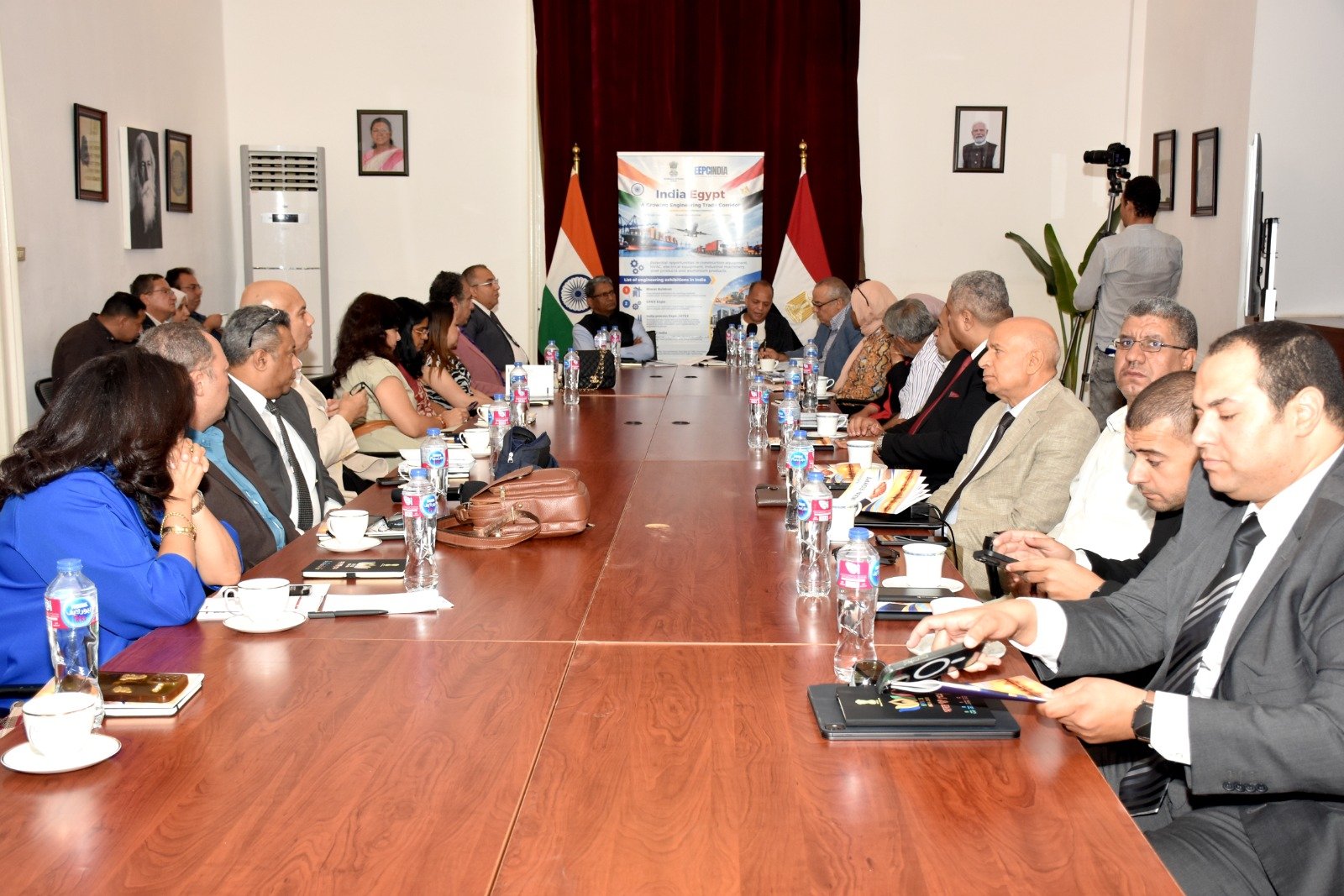
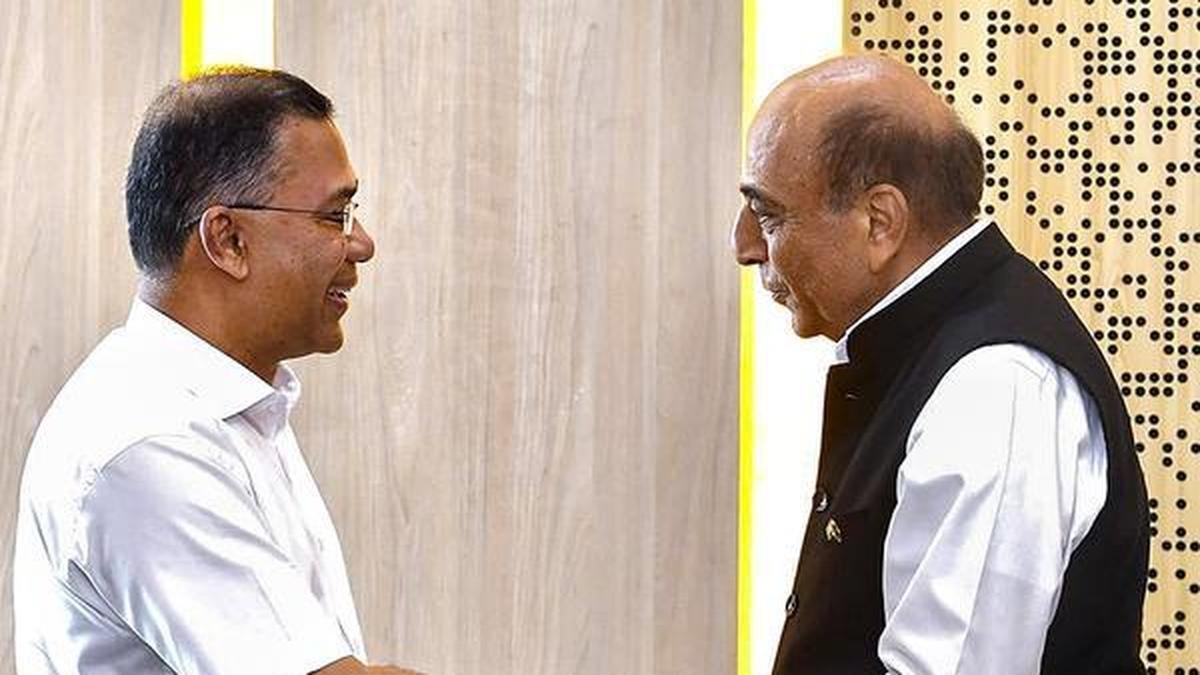
DHAKA – India’s High Commissioner to Bangladesh, Dinesh Trivedi, confirmed on Saturday that the potential extradition of deposed Prime Minister Sheikh Hasina is being handled through a “well-structured” legal framework. Speaking at the annual Bay of Bengal Conversation in Dhaka, the diplomat emphasized that the process remains ongoing, though he refrained from providing a specific timeline for its conclusion.
Addressing the Extradition Demand
The current administration in Bangladesh, led by Prime Minister Tarique Rahman, has repeatedly urged New Delhi to return the former Prime Minister to face trial for her alleged role in the violent suppression of protests between July and August 2024. Reports from the UN High Commissioner for Human Rights estimate that approximately 1,400 individuals lost their lives during that period of unrest.
When pressed by students at the conclave regarding the status of the extradition request, Mr. Trivedi maintained that India adheres strictly to established legal protocols. “The legal process is there in place, which you can be very sure about,” he stated, noting that both India and Bangladesh share a mutual respect for the rule of law. He reiterated that the Ministry of External Affairs (MEA) has consistently maintained that the matter is being processed according to established bilateral norms.
The extradition treaty between the two nations, signed in 2013, includes specific clauses that allow for the rejection of requests, particularly those involving political motivations.
Refuge Born of “Tragic Circumstances”
Reflecting on the dramatic events of August 2024, High Commissioner Trivedi explained that India’s decision to grant refuge to Ms. Hasina was a response to an unavoidable humanitarian crisis. He clarified that her departure from Dhaka was facilitated by the existing Bangladeshi government machinery at the time, dismissing notions that the Indian military had orchestrated her evacuation.
“Ms. Hasina was not brought to India by the Indian Air Force or Indian Army,” Trivedi stated, adding that India had essentially no choice but to provide a landing permit to avert further chaos. He described the situation as a “reality of life” that required immediate action under extraordinary pressures.
Bilateral Tensions and Future Relations
The diplomatic landscape between New Delhi and Dhaka has grown increasingly complex following the International Crimes Tribunal’s 2025 sentencing of Ms. Hasina and several of her former cabinet ministers to death. The current government has also voiced significant frustration over Ms. Hasina’s occasional virtual political engagements from India, viewing them as an interference in Bangladesh’s internal affairs.
Despite these tensions, Mr. Trivedi emphasized that India maintains a policy of non-interference. He stressed that Bangladesh is a sovereign nation capable of charting its own diplomatic course. Regarding Ms. Hasina’s recent public claim that she intends to return to Bangladesh by the end of 2026, the High Commissioner kept his distance, focusing instead on the necessity of maintaining stability and respect for bilateral processes.
As the legal proceedings continue behind the scenes, both nations remain in a delicate holding pattern, navigating the balance between historical ties and the current government’s pursuit of accountability for the casualties of 2024.
Disclaimer: This content is auto-generated for informational purposes only.
Source: Read Original News