






The Modi Paradox: Between Electoral Dominance and Institutional Strain
As Prime Minister Narendra Modi celebrates 25 years in continuous public office, his administration finds itself at a defining crossroads. While the Bharatiya Janata Party (BJP) continues to showcase formidable electoral strength across various states, the Prime Minister’s once-unassailable personal aura faces a period of unprecedented scrutiny.
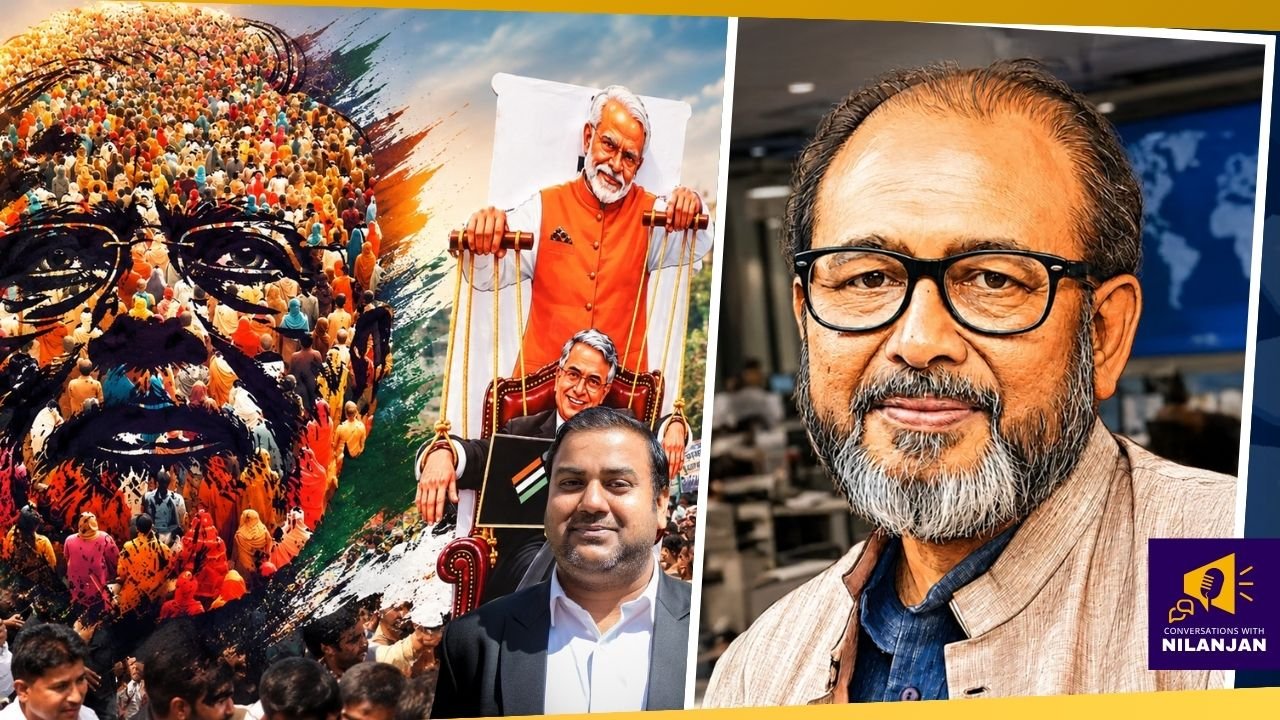
According to Rahul Verma, Associate Professor at the School of Law, Shiv Nadar University, the current landscape represents a complex interplay of political resilience and narrative vulnerability. While the BJP maintains a grip on power in states like Odisha, Maharashtra, and Haryana, the government’s invincibility is being challenged by a demographic force it previously overlooked: Gen Z.
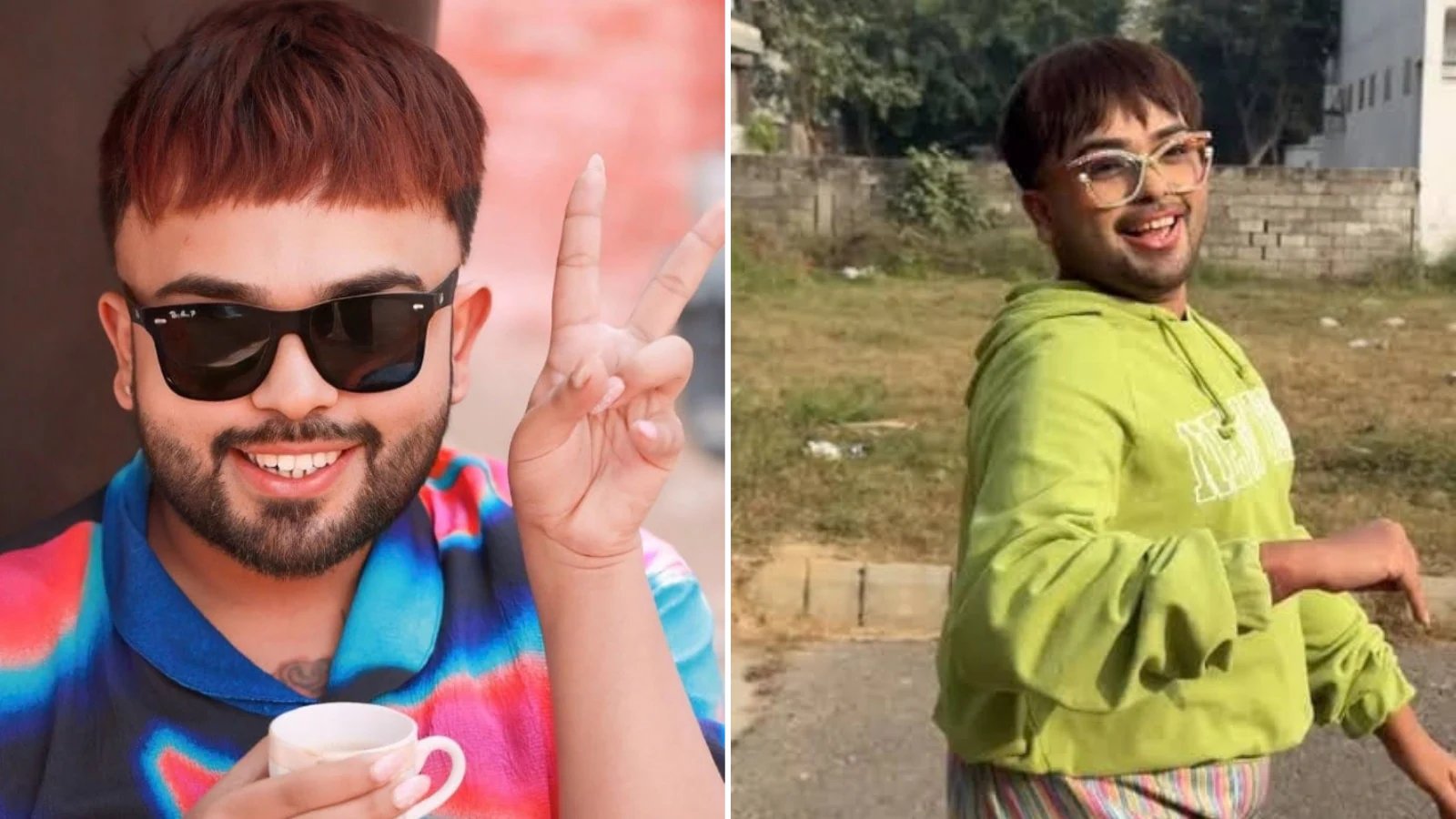
The Emergence of the Cockroach Janta Party (CJP)
The rise of the student-led Cockroach Janta Party (CJP) marks a significant departure in Indian political protest. What began as a satirical online movement quickly evolved into a potent political voice, forcing the central government to retreat on key appointments and policy decisions—most notably in the wake of widespread exam leaks.
Verma notes that the CJP represents the political coming-of-age for Gen Z. Much like previous movements—such as the anti-corruption protests of 2011—this generation is demanding accountability for the hollowing out of meritocratic systems. “When young people realize that the primary path to upward economic mobility is rigged, they take to the streets,” Verma explains. Unlike traditional political challenges, the CJP’s power lies in its digital-native strategy, utilizing satire to dismantle the Prime Minister’s carefully curated image of an infallible, “non-biological” leader.
A Shift in Narrative and Strategy
For years, PM Modi masterfully utilized social media to bypass mainstream channels. However, the current wave of online mockery and memetic warfare is proving difficult to counter. Verma suggests that the Prime Minister is opting for a “wait-and-watch” approach rather than an immediate counter-offensive.
Historically, Modi has demonstrated a high degree of pragmatism, often choosing to step back when the political climate turns hostile—a tactic seen during the 2021 COVID-19 crisis. By absorbing pressure and waiting for the initial heat of protests to dissipate, the administration is attempting to manage its “weakest narrative moment” since 2014. Despite these challenges, Verma cautions against assuming this signals the end of the BJP’s influence. The party remains an electoral juggernaut, bolstered by deep organizational resources and a proven ability to form strategic, if unconventional, alliances.
The Future of Hindutva and Institutional Trust
The debate over the decline of Hindutva identity politics in favor of “bread-and-butter” economic issues is, according to Verma, a false dichotomy. In the Indian context, social justice and economic survival are inextricably linked. While issues like unemployment and corruption-ridden administrative appointments are currently dominating the discourse, they do not preclude the continued relevance of ideological identity politics.
Furthermore, the opposition’s focus on the alleged curtailment of the Election Commission’s autonomy has provided them with new narrative ammunition. However, ground-level synergy remains elusive. While regional parties within the INDIA alliance are united in their criticism of the government, their disparate local incentives and the inherent caution of groups like the CJP suggest that a unified, national-level coalition of movements has yet to take definitive shape.
As India looks toward a “post-Modi” political future, the central challenge for the government remains its loss of moral authority. The perceived decline in the “charitra, chehra, chintan” (character, face, thought) of the administration has left the electorate questioning the ethical foundations of its leadership. While the BJP’s electoral machinery continues to deliver results, the battle for the public’s confidence has clearly moved into a more turbulent phase.
Disclaimer: This content is auto-generated for informational purposes only.
Source: Read Original News