







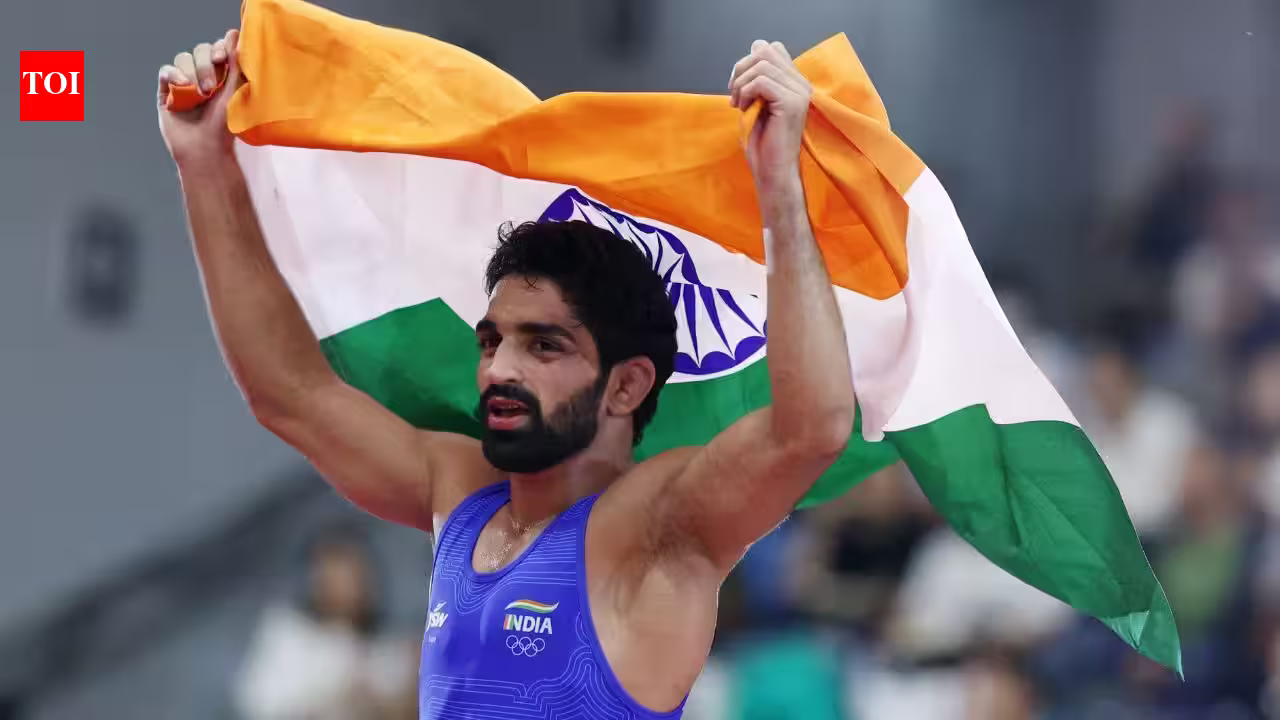
India staged a breathtaking comeback in the final stretch of the 2026 Asian Games in Nagoya, surging into fourth place on the overall medal tally after a dramatic final weekend of competition. Driven by a flurry of gold medals, the Indian contingent solidified its position among the continental elite, finishing with a hard-fought haul of 85 medals—comprising 21 gold, 27 silver, and 37 bronze.
While the total count fell short of the record-breaking 106 medals achieved in the previous edition, the late-game heroics of the Indian squad underscored a resilient performance. Eleven of the nation’s 21 gold medals were secured in the final 48 hours of the Games, a testament to the composure of India’s athletes under intense pressure.
Champions on the Pitch and Field
Saturday proved to be a golden day for India’s premier team sports, with the cricket and hockey squads successfully defending their titles and asserting their dominance on the continental stage.
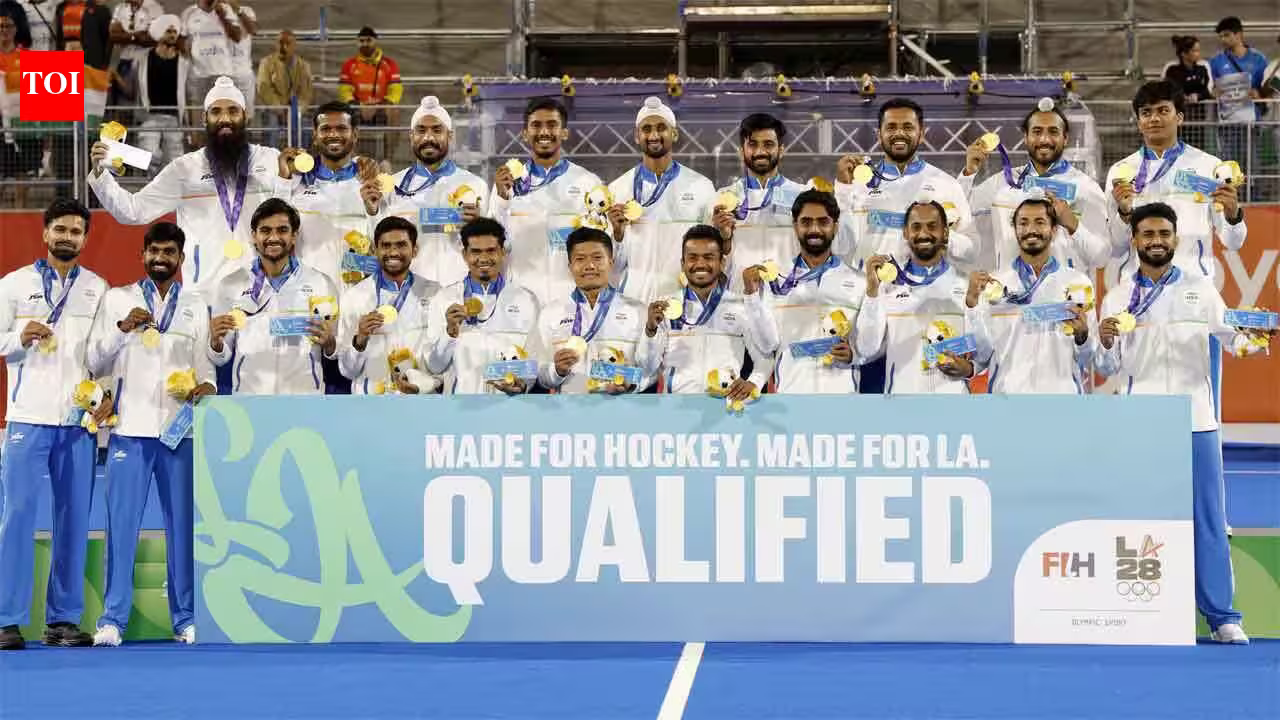
In Nisshin, the Indian cricket team, led by the astute Shreyas Iyer, demonstrated tactical brilliance to overcome their arch-rivals, Pakistan, in a high-stakes final. The 19-run victory was a fitting climax to an impressive tournament run. Simultaneously, in Kakamigahara, the Indian men’s hockey team—captained by the formidable Harmanpreet Singh—put on a clinical display against Malaysia, securing a resounding 5-1 victory. Beyond the gold medal, this win served a dual purpose, guaranteeing India a direct berth at the 2028 Olympic Games in Los Angeles, effectively punching their ticket to the global stage three years ahead of time.
Historic Individual Triumphs
While the team sports provided the glory, the individual narratives of the Games were defined by two remarkable young women who etched their names into the annals of Indian sporting history.
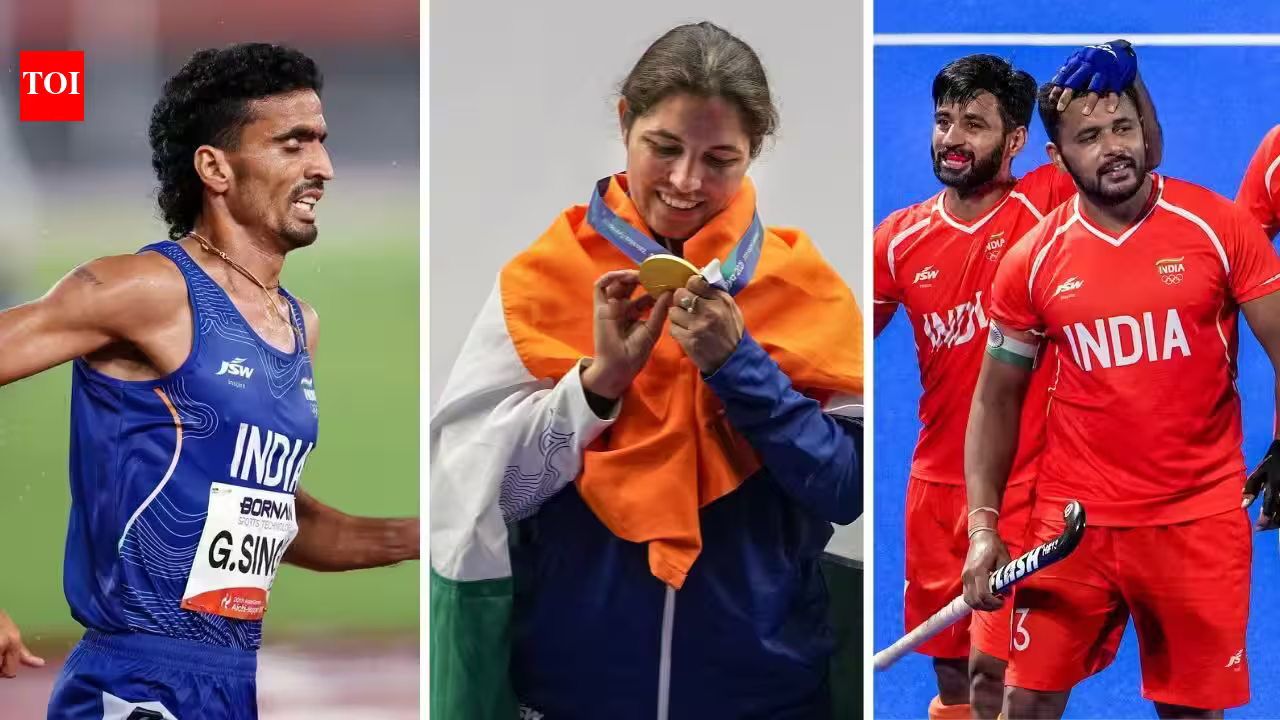
Seventeen-year-old archer Kumkum Mohod delivered a performance of poise beyond her years, becoming the first Indian woman to clinch an individual recurve gold at the Asian Games. Her victory was matched in significance by golfer Pranavi Urs, who produced a masterclass on the greens to become the first Indian woman golfer to stand atop the individual podium at the event. These two victories stood out as the defining moments of India’s campaign, signaling a new era for women in these respective sports.
Elsewhere on the mat, wrestler Aman Sehrawat added yet another chapter to his burgeoning legacy. The Olympic bronze-medallist conquered the 57kg category, upgrading the bronze he earned at the Hangzhou 2022 edition to a prestigious Asian Games gold.
Continental Hierarchy: A Competitive Landscape
As the dust settles in Nagoya, the hierarchy of Asian sports remains largely defined by the established powerhouses. China continues to operate in a league of its own, asserting its supremacy with a staggering 341 total medals, including 169 gold. The hosts, Japan, enjoyed a successful outing on home soil, finishing second with 269 medals, while South Korea rounded out the top three with a total of 150.
India’s climb to fourth place puts them just ahead of Uzbekistan, who finished with 70 medals, including 21 gold—matching India’s gold tally but trailing in the silver and bronze count. While the final positions are largely cemented, a few remaining equestrian events on Sunday could see minor shifts in the leaderboard, with Uzbekistan still lurking as the primary challenger for the fourth spot.
Reflections on the Campaign
The 2026 campaign was a tale of two halves for the Indian delegation. Despite the spectacular finish, there is a clear sentiment among stakeholders that the performance in certain disciplines, particularly shooting and badminton, did not meet the lofty expectations set prior to the tournament. These areas will undoubtedly become the focus of a post-tournament audit as the nation prepares to bridge the gap toward the next Olympic cycle.
Nonetheless, the closing days of the Games provided a much-needed morale boost and a clear vision of India’s competitive future. By securing 21 gold medals and finishing as the fourth-best performing nation, India has proven that its ability to produce world-class athletes is not only consistent but increasingly versatile. As the Indian flag continues to be raised in Nagoya, the message sent to the rest of the continent is clear: India’s sporting resurgence is far from over.
Disclaimer: This content is auto-generated for informational purposes only.
Source: Read Original News