







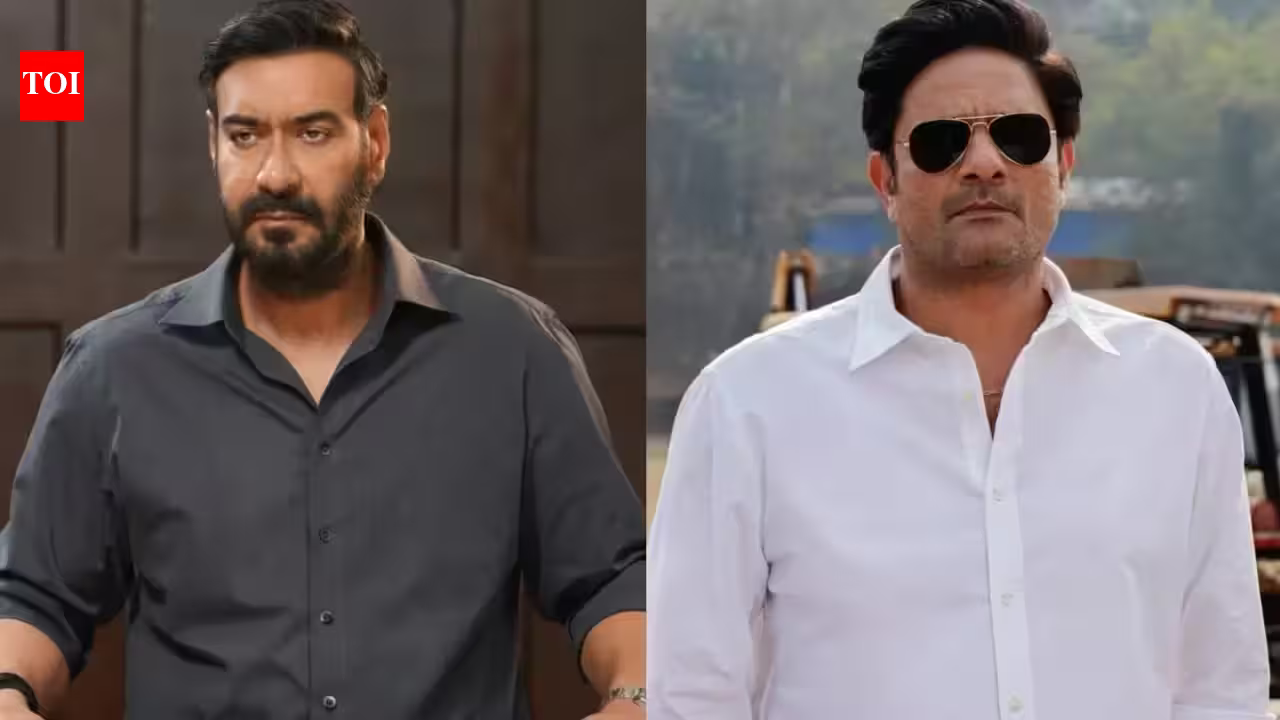
The Drishyam franchise has long been considered the gold standard of Indian thriller cinema—a masterclass in cat-and-mouse tension that transformed the concept of the “common man” into an intellectual mastermind. For years, the rivalry between the original Malayalam iteration, anchored by the legendary Mohanlal, and the Hindi adaptation, led by the brooding intensity of Ajay Devgn, has been a staple of cinema debate. But with the release of Drishyam 3, the conversation has shifted in a way no one expected: the Hindi version is currently being hailed by Kerala audiences as the superior conclusion to the saga.
The Paradigm Shift: Why Kerala is Tuning In
Historically, the relationship between Malayalam cinephiles and their Hindi counterparts is one of cultural gatekeeping. There is an unspoken rule in the South: if you want the “true” version of a story, you watch the original. Malayalam audiences have traditionally viewed Bollywood remakes with a blend of indifference and skepticism.
However, the discourse surrounding Drishyam 3 has shattered this precedent. A recent viral reaction from a prominent Malayalam content creator served as a catalyst for this shift. In a video that sent shockwaves through the comment sections of major entertainment forums, he openly admitted that his initial disdain for the Hindi production was replaced by genuine admiration. He noted, “We used to look down on it—’Whatever, who has the time to watch Hindi films?’—but in the end, I had to clap.” It is a rare moment when the purist audience of the original film admits that a deviation from the source material didn’t just work—it excelled.
Breaking the Remake Curse: An Original Path
The brilliance of Drishyam 3 lies in its independence. Unlike the first two installments, which were faithful—sometimes shot-for-shot—remakes of Jeethu Joseph’s Malayalam originals, the third film opted for a brave, independent trajectory. Director Abhishek Pathak made the bold decision to move away from the established Malayalam blueprint, crafting an original screenplay that serves as a unique thematic continuation.
This was no clandestine operation; the team behind the Hindi project was well aware of the stakes. Ajay Devgn himself confirmed that he sought Mohanlal’s blessing before moving forward with a storyline that hadn’t been explored in the original language. By abandoning the “remake” label, the team avoided the inevitable comparisons that dog projects like Drishyam 2 (Hindi), allowing the film to exist as its own entity. It gave the writers the creative freedom to lean into a distinct, high-stakes commercial template that, while leaning into “Hindi-style” tropes, managed to land its emotional and suspenseful beats with surgical precision.
The Contentious Debate: Script vs. Performance
The internet, predictably, has turned into a battlefield. While many Malayalam viewers are praising the narrative cohesion of the Hindi version, they remain fiercely defensive of Mohanlal. The consensus among the “Lalettan” loyalists is that while the Hindi writing might be sharper in terms of plot, it cannot replicate the emotional weight brought to the table by Mohanlal’s portrayal of Georgekutty.
“No one can match Laletten’s Georgekutty emotions,” one commenter argued, emphasizing that a clever twist—no matter how brilliant—cannot substitute for the nuanced, internalized pain that Mohanlal brought to the screen. On the flip side, proponents of the Hindi film are calling the Malayalam trajectory “soap opera-esque,” suggesting that the Hindi version provides a more satisfying, definitive punch. The debate highlights an interesting split in audience values: some prioritize the gritty, grounded realism of the South, while others are clearly craving the high-octane, polished conclusion delivered by the Bollywood team.
Business or Art? The Audience Verdict
One of the most stinging criticisms leveled against the current state of the Malayalam franchise is that it feels “made for business” rather than “audience satisfaction.” Several viewers pointedly noted that the Hindi Drishyam 3 feels like a passion project, whereas the later iterations of the original Malayalam series have lost the organic tension of the 2013 debut.
The box office numbers for the Hindi version are telling a similar story. With a massive opening day of ₹66.75 crore net in India and a worldwide gross estimated at nearly ₹100 crore, the film has set a new record for Ajay Devgn. These numbers suggest that the audience wasn’t just curious; they were hungry for this specific version of the story. The fact that the film has gained such traction in Kerala, a state that usually favors its own industry, indicates that the audience is beginning to value the experience of the story over the pedigree of the production.
The Future of the Franchise
So, what does this mean for the future of the Drishyam brand? We are effectively witnessing the birth of two parallel universes. The Malayalam version remains the bedrock—the foundational text that introduced the world to Georgekutty—but the Hindi version has successfully staked its claim as the grand finale.
The suggestion by a fan to “remake the Hindi third part back into Malayalam” is, of course, tongue-in-cheek, but it illustrates a profound irony in modern Indian cinema: the pupil has effectively become the master. By taking the risk to diverge from the original vision, the creators of the Hindi Drishyam 3 have managed to do the impossible—they’ve kept the suspense alive in a franchise that many thought had run its course. Whether you align with the purists who swear by Mohanlal’s raw acting or the new guard who prefers the polished, original screenplay of the Hindi conclusion, one thing is certain: the Drishyam legacy has evolved into something far more complex, and far more fascinating, than anyone expected. The mystery, it seems, continues—not just on screen, but in the very way we consume and compare our cinema.
Disclaimer: This content is auto-generated for informational purposes only.
Source: Read Original News