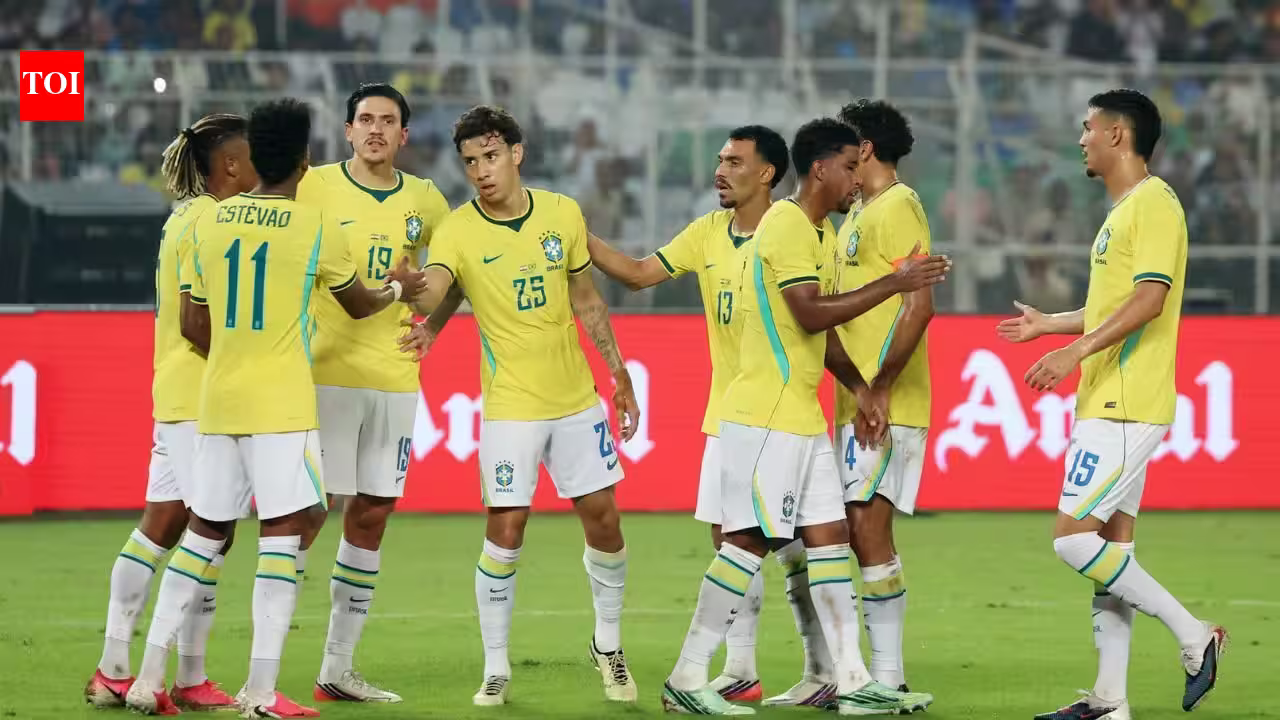









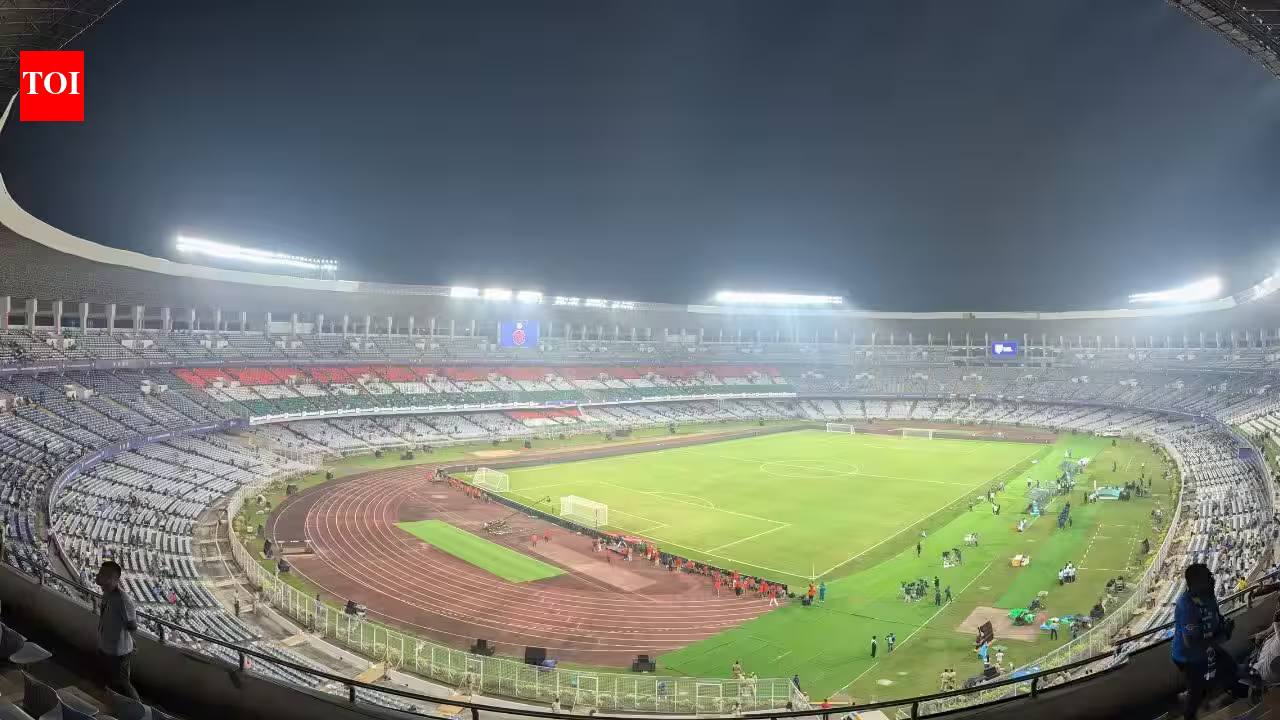
KOLKATA — The stage was set for a spectacle of unprecedented proportions at the iconic Salt Lake Stadium, a venue synonymous with the fervent passion of Indian football. The All India Football Federation (AIFF) and the West Bengal government had pulled out all the stops to transform Brazil’s first-ever appearance on Indian soil into a historic, world-class event. Yet, as the sun dipped below the horizon on Saturday evening, a surreal silence hung over the sprawling 85,000-seat arena, casting a shadow over what was meant to be the country’s footballing gala of the decade.
An Operation of Massive Proportions
The logistics behind the event were nothing short of monumental. To ensure the safety and seamless execution of the match, the state administration deployed a staggering force of 2,000 police officers. They were bolstered by more than 400 volunteers and dedicated companies of central security forces tasked with maintaining order. The surveillance infrastructure was equally ambitious; authorities installed over 100 temporary cameras to augment the stadium’s existing 200-plus CCTV network.
Despite these exhaustive security measures, a peculiar sight met those arriving at the stadium an hour before the 7:30 p.m. kickoff: the security personnel appeared to significantly outnumber the spectators. While the buzz of anticipation was present, the visual of empty concrete tiers painted a starkly different story than the one expected for a clash involving the global giants of the sport.
A Historic Misalignment of Expectations
From a sporting perspective, the match was a milestone. Brazil, a nation whose DNA is synonymous with the beautiful game, had not faced an opponent ranked as low as India in 28 years. Conversely, for the Indian team, it represented the steepest challenge since FIFA rankings were introduced in August 1993. Given Kolkata’s well-documented obsession with the South American powerhouses, many expected the gates to be stormed by thousands of yellow-clad fans.
When the two national anthems finally echoed through the stadium, the crowd had swelled, but large swathes of the massive venue remained hauntingly vacant. A significant lower block behind one of the goals sat empty, and the section parallel to the dugouts—usually prime real estate for spectators—was similarly deserted.
The Economic and Cultural Hurdles
The financial weight of the event was immense. The AIFF had reportedly invested upwards of Rs 50 crore to bring the Brazilian, Uruguayan, and Panamanian national teams to the region, supplemented by a Rs 6 crore expenditure just to charter a flight for the 90-member Brazilian contingent from Australia. To offset these steep costs, organizers pegged ticket prices at a premium.
In a desperate bid to fill the stands, the federation extended discounts to members of Kolkata’s legendary football institutions—East Bengal, Mohun Bagan, and Mohammedan Sporting. As the date drew closer, they even resorted to a “buy-one-get-one” offer. Despite these interventions, the needle barely moved.
The Durga Puja Factor: A Clash of Titans
As the match progressed, the consensus among fans and vendors gathered outside the gates was clear: timing, not apathy, was the culprit. The match coincided with a period just two weeks ahead of Durga Puja, the most significant cultural and financial event in the Bengali calendar.
“Football is a religion, a festival for Bengalis, but Durga Puja is even bigger,” remarked a supporter outside the stadium, adorned in the colors of Mohun Bagan. “Families end up spending a lot of money during the festival season. If this same Brazil team had come during the winter or even after the Puja, people would have been desperate for a single ticket. The price is not the issue; it is the timing.”
Local vendors, whose livelihoods often hinge on such high-profile sporting events, echoed this sentiment with a mix of frustration and resignation. One seller, managing a stall of India and Brazil jerseys and mini-scarves, noted that while the match was significant, it lacked the “x-factor” required to override the local obsession with the upcoming festival.
“Had Neymar been here, things would have been different,” the vendor noted, gesturing toward the quiet stadium entrance. “Without a massive marquee name, and with the Puja expenses looming, people simply couldn’t justify the outing.”
A Somber Reflection
The night served as a humbling reminder for Indian football organizers. While the appetite for world-class football exists in India, the intersection of economic reality, cultural priorities, and the lack of superstar allure can derail even the most carefully constructed event.
As the final whistle blew, the echo in the Salt Lake Stadium served as a poignant punctuation mark to an evening that promised history but delivered a cautionary tale. For the AIFF, the takeaway is clear: in a market as complex and emotionally charged as India, bringing the best in the world is only half the battle; ensuring the fans can—and want to—walk through the gates remains the true challenge.
Disclaimer: This content is auto-generated for informational purposes only.
Source: Read Original News