






The Structural Crisis in India’s Energy Mix
The Indian power sector is currently navigating a period of intense volatility as it transitions toward a more sustainable energy landscape while grappling with the harsh realities of climate-induced supply disruptions. Recent data for the first half of the 2026-27 financial year highlights a critical vulnerability in the national power infrastructure: a reliance on hydroelectric power that is increasingly undermined by erratic monsoon patterns. As the country’s peak electricity demand surged to 269 GW in September—falling just short of the all-time record of 270.8 GW—the inability of hydropower to compensate for non-solar load fluctuations has created a widening supply-demand gap.
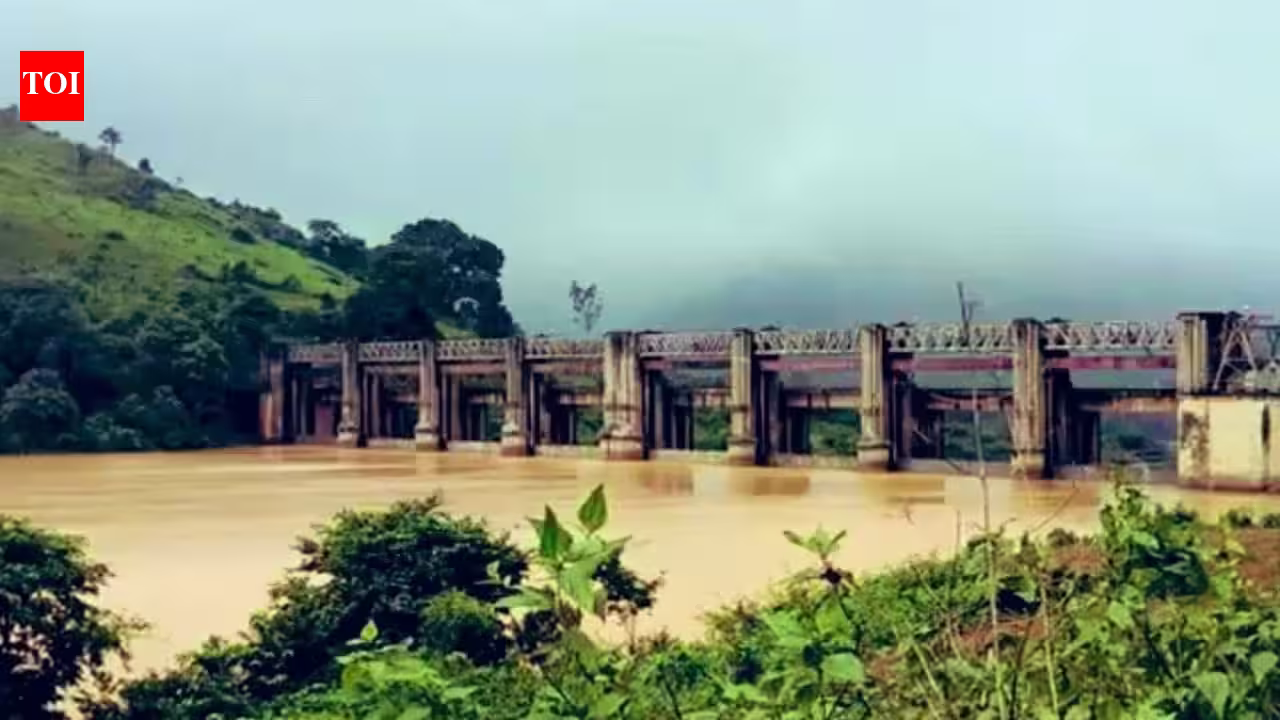
For years, hydropower has been the preferred mechanism for grid stabilization, particularly during evening hours when solar generation drops to zero. However, a significant rainfall deficit caused by El Nino conditions has left reservoirs below optimal levels, forcing a 12% decline in hydroelectric generation compared to projected requirements. This shortfall has exposed the delicate nature of the Indian grid, which remains heavily dependent on coal-fired thermal plants to provide the baseload power necessary to bridge the gap. When hydropower fails to act as the secondary pillar of supply, the resulting strain on the coal-based thermal fleet creates a ripple effect that leads to localized shortages and grid instability.
Coal Dependency and Logistical Bottlenecks
Coal continues to be the bedrock of India’s energy security, providing the necessary resilience during the current period of hydraulic volatility. In the first half of the 2026-27 fiscal year, thermal plants functioned as the primary workhorse, operating at high capacity to meet an ever-growing industrial, irrigation, and cooling-related electricity demand. Despite this, the system faced significant challenges in fuel logistics. While the nation had access to domestic coal supplies, intense, unseasonal, or concentrated rainfall events in coal-producing states hindered the transportation of fuel from mines to power plants.
This logistical vulnerability illustrates the complexity of the current Indian energy landscape. It is not merely a matter of generation capacity but of supply chain robustness. When coal-fired plants face fuel shortages due to transit disruptions, and hydropower generation is simultaneously suppressed by climate-related rain deficits, the grid loses its redundancy. While nuclear energy and gas-based power have offered some reprieve, these sources currently lack the scale to fully mitigate the deficit, leaving industrial centers and residential regions vulnerable to power cuts during the critical non-solar evening peak.
The Storage Conundrum: The Solar Integration Gap
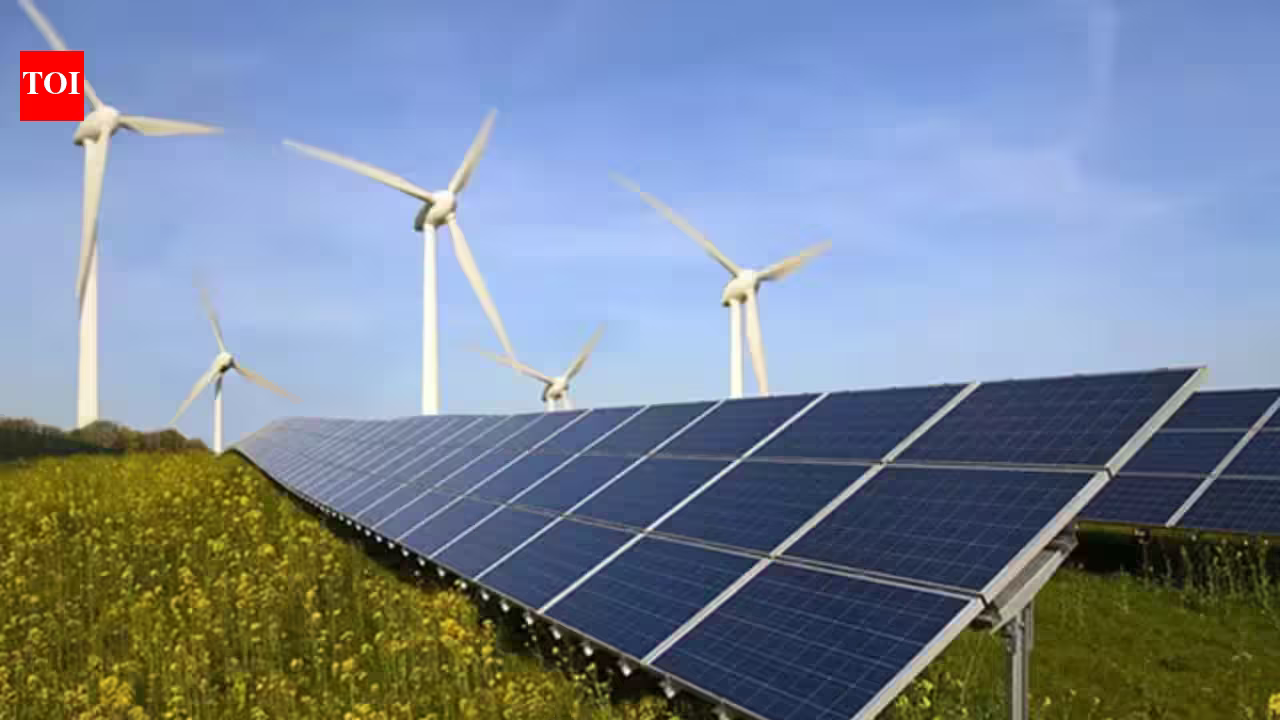
India’s rapid expansion of renewable energy capacity, particularly solar power, has been a major success story of the last decade. Yet, the current energy crisis highlights that an abundance of solar power during daylight hours does not automatically translate to grid reliability after sunset. The disconnect between generation and consumption timing has become the central challenge for grid operators. As data indicates, while renewable energy production increased by 25% in September, its relative contribution to the total load dropped, revealing that the grid currently lacks the battery storage systems required to bridge the “dark hours.”
The lack of large-scale, cost-effective energy storage solutions means that solar energy generated at midday is often surplus, yet cannot be carried over to the high-demand evening hours. Without a significant rollout of battery energy storage systems (BESS) or pumped hydro storage, the gap between supply and demand will continue to manifest as a structural deficit. Industry experts are increasingly calling for a transition from a pure “generation-led” policy to a “storage-integrated” model. This involves not only scaling up technology but also updating the regulatory framework to incentivize private participation in storage projects.
Reimagining the Distribution Network and Demand Management
The instability in the distribution grid is not solely a product of generation deficits; it is also a failure of the delivery network. Even when supply is adequate, local distribution companies (discoms) often struggle with infrastructure that is poorly equipped to handle sudden demand surges. Many discoms operate under heavy financial strain, which limits their ability to modernize transformers, feeders, and distribution lines. This lack of modernization makes the grid highly sensitive to localized spikes in demand, which are becoming more frequent as heat-related consumption rises across the country.
To navigate these constraints, analysts suggest a three-pronged strategy. First, the grid must become more resilient to heat-related failures, which involves proactive, data-driven maintenance. Second, shifting demand to match supply periods is essential. By implementing advanced time-of-day tariffs and widespread smart metering, the government can nudge consumers to move energy-intensive processes—such as industrial manufacturing or agricultural irrigation—away from the evening peak hours. Finally, the integration of Artificial Intelligence (AI) into the distribution network holds promise. By combining meteorological forecasts with real-time feeder data, discoms can predict demand hotspots and intervene before transformers become overloaded, effectively optimizing the existing infrastructure.
Moving Toward a Climate-Resilient Grid
The transition toward a stable, future-proof power sector requires moving beyond historical assumptions about weather patterns and consumption behaviors. The reliance on climate-sensitive sources like hydropower in a changing climate is a risk that must be balanced by greater technological flexibility. The path forward involves a shift toward a more intelligent and distributed grid where energy production is paired with high-efficiency storage.
Furthermore, the role of policymakers must evolve to prioritize the financial health of discoms, as they are the final gatekeepers of energy reliability. Without addressing the underlying systemic challenges—such as subsidy burdens and infrastructure degradation—the grid will remain prone to instability whenever a single element, like the monsoon or coal logistics, falters. The current fiscal year serves as a clear signal: India must prioritize the development of a flexible, storage-backed, and technologically advanced grid to meet the demands of an expanding economy. Through better planning, smarter load management, and an aggressive push for energy storage, the nation can turn this period of volatility into an opportunity to build a more secure and resilient energy future.
Disclaimer: This content is auto-generated for informational purposes only.
Source: Read Original News