








The gaming industry is currently experiencing a surge in innovative titles that blend established mechanics with fresh perspectives. Whether through physics-based VR interactions or tactical roguelite strategy, developers are finding new ways to engage players across PC and console platforms. Below is an overview of recent releases and updates, highlighting their core features and technical implementations.
Toem 2: Expanding the Photography Adventure
Following the success of its 2021 predecessor, Toem 2 arrives as a refined exploration of the photography-based puzzle genre. Developed by Something We Made, the sequel maintains the core identity of the franchise while introducing an upgraded camera suite. Mechanically, the game functions as an exploration platformer where players utilize new camera attachments to manipulate their surroundings or uncover hidden environmental details.
The game uses a stamp-based progression system integrated into a digital journal, serving as a checklist for both objectives and exploration milestones. By successfully documenting subjects and solving environmental puzzles, players unlock access to new regions. The implementation of high-fidelity, hand-drawn art styles ensures consistency with the original title’s aesthetic, while expanded character interactions provide the narrative impetus for navigation. It is currently available on Steam, PlayStation 5, Nintendo Switch, and the upcoming Switch 2, with full validation for the Steam Deck.
Tiny Flock: Physics-Based VR Herding
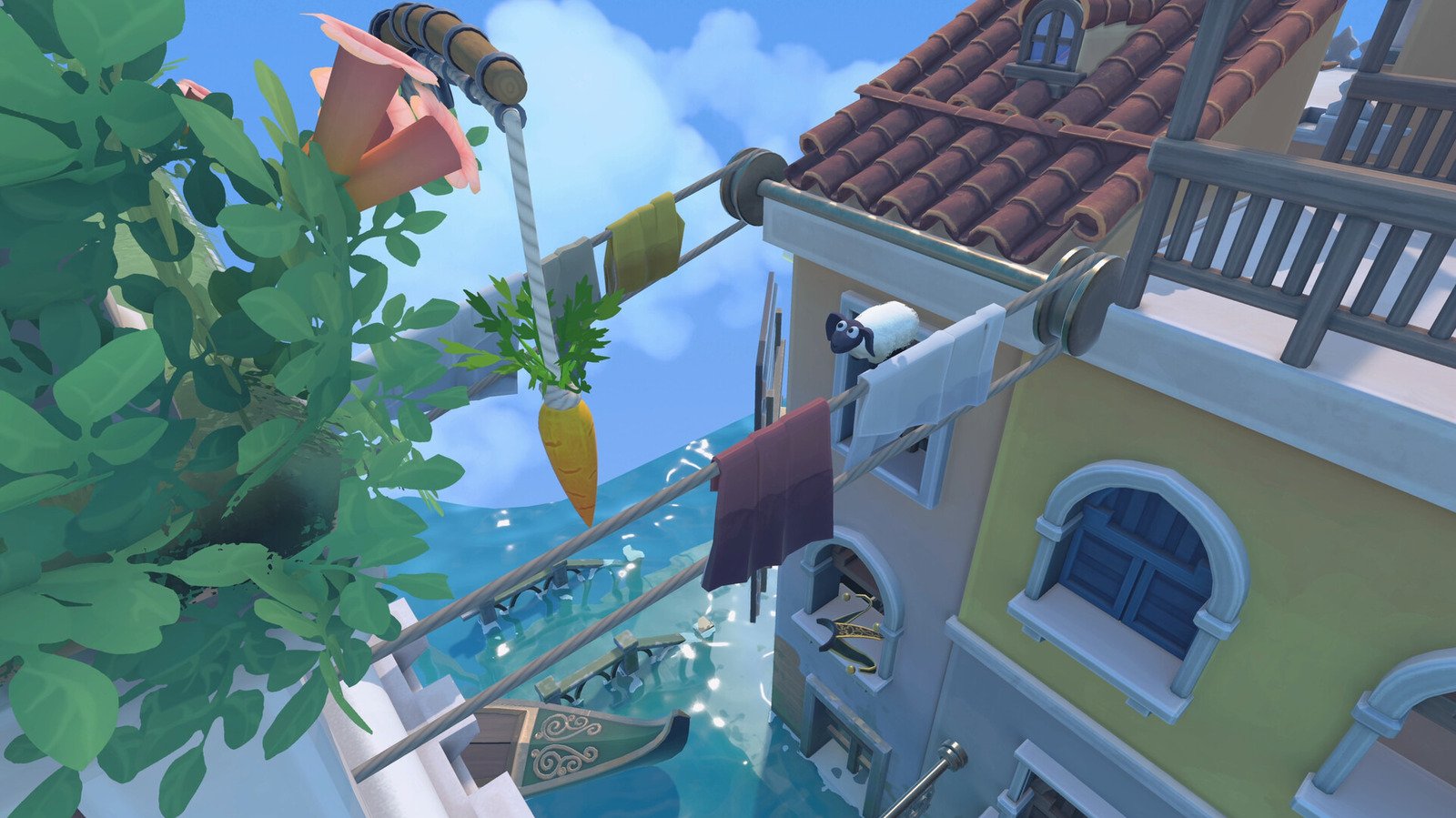
No Brakes Games, the studio known for the physics-heavy Human Fall Flat, has shifted its focus to virtual reality with Tiny Flock. This title centers on tactile, physics-driven interactions within diorama-style environments. The primary gameplay loop involves herding sheep through modular terrain where objects can be physically rearranged to form bridges or clear obstacles.
Technologically, Tiny Flock prioritizes two-handed interactivity and direct object manipulation. The version developed for the Meta Quest features support for advanced hand-tracking and passthrough technology, allowing the virtual diorama to coexist with the player’s physical space. CEO Tomas Sakalauskas emphasized that the project was designed to leverage the unique “gameplay verbs” available in VR, resulting in a system where virtually every object in the environment possesses physics-based properties, encouraging experimentation and creative problem-solving.
Keep Driving: The CaRPG Management Simulation
Previously a localized success on PC, Keep Driving has expanded to Xbox Series X/S, PlayStation 5, and Nintendo Switch. Classified as a “caRPG,” the title blends road-trip management with turn-based strategy. Players navigate a simulation of the early 2000s, managing vehicle maintenance, fuel, and passenger logistics while driving across the country.
The combat system in Keep Driving is a notable departure from traditional RPGs; rather than direct aggression, turn-based mechanics are used to resolve obstacles, such as livestock blocking roadways or mechanical failures. The integration of mod support on the Steam platform allows for community-driven content, extending the game’s longevity. With branching narratives that lead to multiple endings, the title is optimized for shorter sessions, typically ranging from one to four hours per complete run.
Endless Rails: Survivors and Tower Defense Hybridization
Endless Rails by Studio Monoblok offers a concise, high-intensity experience that combines the “survivors” genre with tower defense mechanics. Players manage a train moving through hostile territory, utilizing automated drone defense systems to repel waves of enemies. The core progression system relies on a merge-based upgrade loop, where players combine train cars and drone attributes at designated stations.
The design philosophy emphasizes brevity; travel segments between stations are intentionally short, lasting between 20 and 30 seconds. This design choice makes the game particularly well-suited for handheld devices like the Steam Deck. Beyond the active gameplay, the title includes a permanent upgrade tree, allowing for cumulative power increases across subsequent roguelite runs, which mitigates the difficulty spikes characteristic of the genre.
Dog in the Machine: Tactical Roguelite Strategy
Rounding out the recent releases is Dog in the Machine, a turn-based tactical roguelite that draws mechanical inspiration from grid-based strategy classics. In this game, players control an “AutoDog” navigating a hostile mechanical city. The gameplay focuses on the anticipation of enemy movements and the execution of complex chain reactions.
A key technical feature is the preview system, which allows players to visualize the impact of their movements and attack sequences before committing to a final turn. This encourages a methodical approach, where players must weigh the utility of various combat upgrades and combo tricks earned during a run. The game is currently available on Steam for Windows and Mac, providing a distinct mechanical challenge for players who enjoy turn-based tactical planning coupled with evolving character builds.
These five titles demonstrate a significant shift toward specialized, high-engagement gaming. By utilizing distinct mechanics—ranging from the tactile nature of VR physics to the procedural depth of roguelites—these developers are providing varied experiences that cater to both long-form strategy players and those seeking focused, short-session gameplay.
Disclaimer: This content is auto-generated for informational purposes only.
Source: Read Original News