







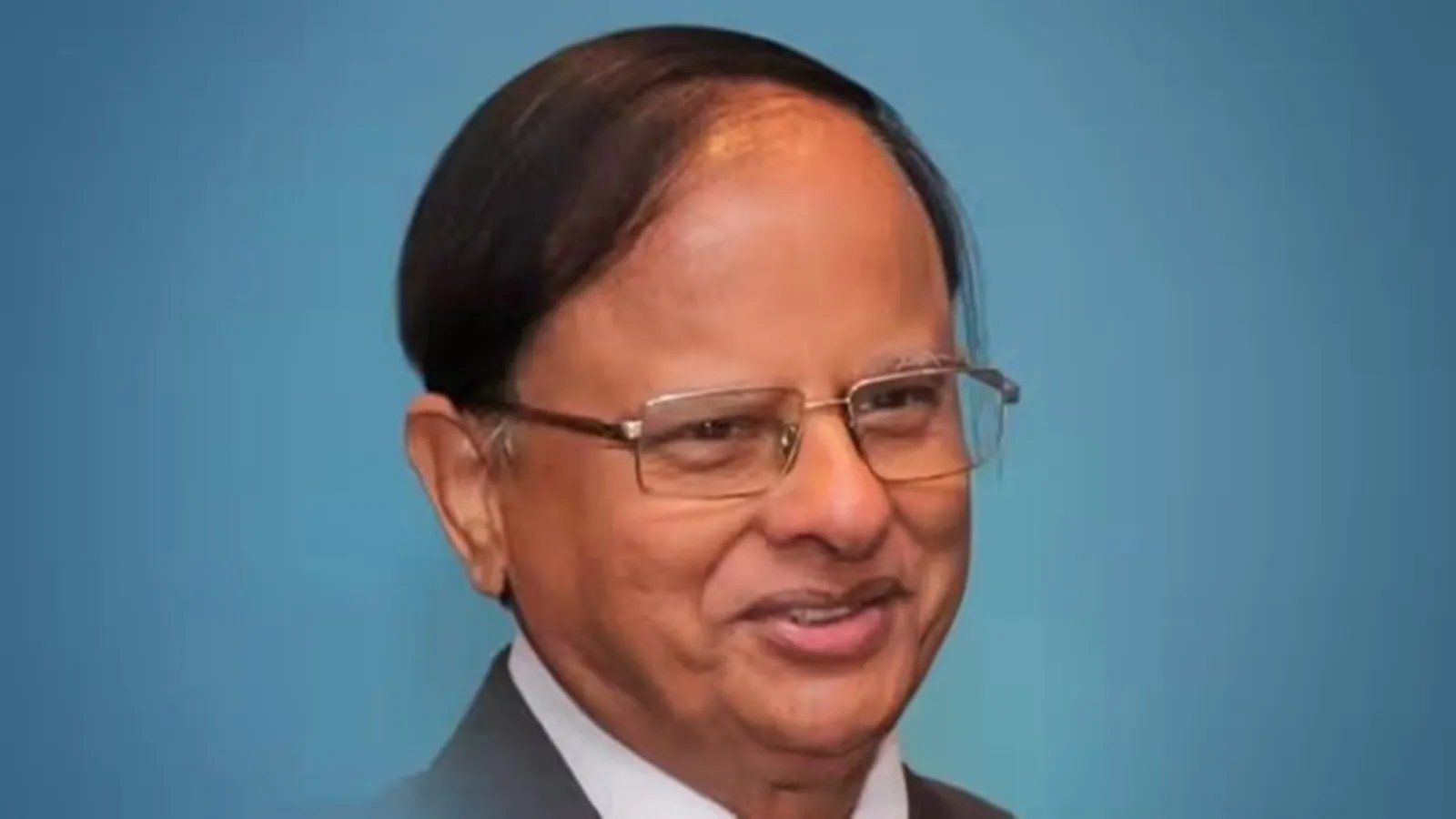
Economic Policy is Being Weaponized: PK Mishra at Kautilya Economic Conclave
New Delhi: P K Mishra, the Principal Secretary to the Prime Minister, issued a stark warning on Saturday regarding the shifting landscape of global trade, noting that economic tools such as tariffs and export controls are increasingly being utilized as geopolitical weapons.
Speaking at the 5th Kautilya Economic Conclave during a session titled ‘A World Priced for Risk,’ Mishra highlighted that the global order is currently grappling with heightened uncertainty rather than simple risk. He pointed to a decade defined by pandemic-led disruptions, energy crises, and volatile food markets as evidence that the traditional rules of globalization are undergoing a fundamental transformation.
Geography as an Economic Variable
Mishra observed that the era where “geography was made irrelevant by technology” has effectively ended. While the economic logic of globalization—producing goods where costs are lowest—remains powerful, it has become inherently fragile.
“A supply chain that is efficient in normal times may be fragile if the single-node supplier or geography becomes unavailable,” Mishra stated. He noted that shipping chokepoints and maritime routes, such as the Strait of Hormuz, are no longer just logistical concerns but are now central to national security and economic stability.
The Principal Secretary also highlighted the vulnerability surrounding critical minerals essential for the green energy transition, including lithium, cobalt, and rare earths. Because the refining and processing of these resources are geographically concentrated in only a few hands, he cautioned that the world risks trading an old dependence on oil for a new, equally restrictive dependence on mineral-rich nations.
India’s Strategic Response
Addressing how India is navigating these complexities, Mishra emphasized that the government has adopted a multi-layered approach to ensure economic resilience.
To mitigate risks associated with energy, India has moved beyond mere price concerns, focusing heavily on availability and supply security. A major component of this strategy has been the aggressive diversification of import sources. Mishra revealed that India has successfully expanded its crude oil import base, increasing the number of supplier countries from 27 to 43.
Furthermore, India is pursuing a broader network of trade agreements to prevent “excessive concentration” in its economic relationships. By finalizing or progressing deals with regions including the UAE, Australia, the United Kingdom, Oman, New Zealand, and the European Union, India aims to preserve the benefits of open trade while insulating its economy from localized shocks.
A Vision for the Future
Mishra concluded by offering a philosophical roadmap for India’s future as a global player. He argued that the coming era will favor nations that maintain a balance between openness and security.
“The future will belong to those who can be steady without being closed, careful without being fearful, and ambitious without being naïve,” he remarked.
Reiterating that globalization has not come to an end, he noted that the current challenge for policymakers is to maintain the gains of an integrated global market while constructing a firewall against unpredictable, weaponized economic policies. For India, this means moving forward with confidence—securing its own supply chains and macroeconomic foundations—to thrive in a world that is increasingly “priced for risk.”
Disclaimer: This content is auto-generated for informational purposes only.
Source: Read Original News