








The Evolution of Personal Health Metrics in Apple Watch Series 12
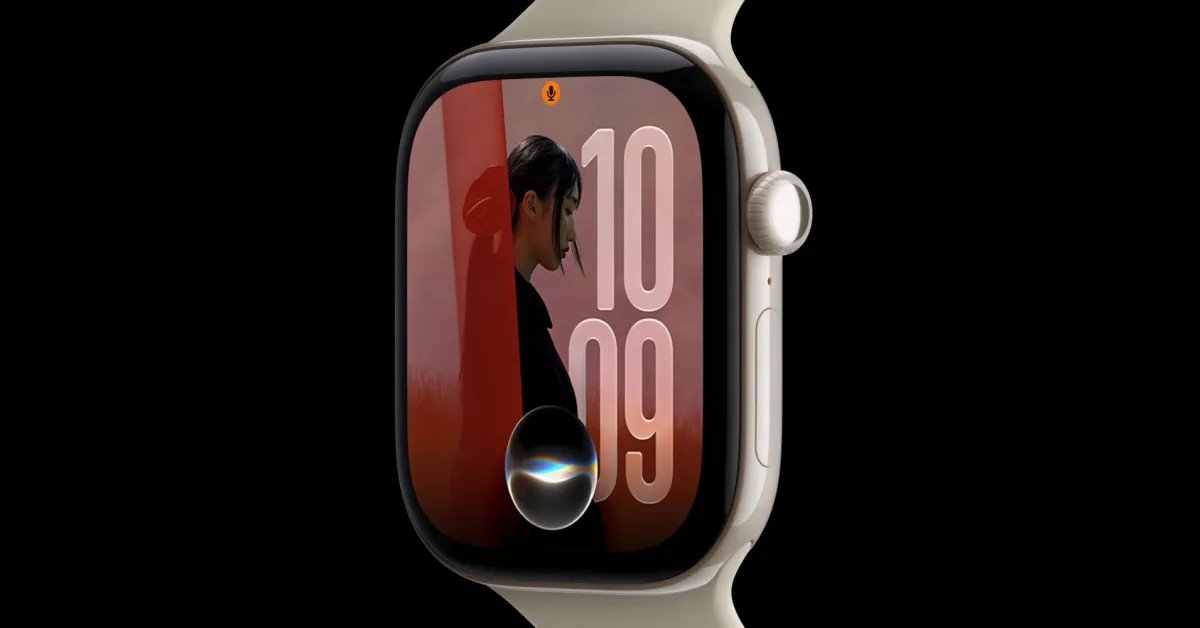
The release of the Apple Watch Series 12 marks a definitive pivot in Cupertino’s wearable strategy. While casual observers might focus on the aesthetic consistency between the Series 10 and this latest iteration, the internal architecture and software integration represent a significant leap forward in health telemetry. For users who have historically viewed smartwatches as mere notification conduits, the Series 12 repositions the device as a sophisticated clinical-grade health monitor. The design, which maintains the familiar footprint of its predecessor, remains practical, but it is the refinement of sensor arrays and machine learning processing that justifies the hardware upgrade. By prioritizing data synthesis over surface-level design changes, Apple has addressed the long-standing critique that its wearable ecosystem lacked actionable health intelligence.
Sensor Precision and Heart-Rate Monitoring Advancements
At the core of the Series 12 experience is a fundamentally overhauled heart-rate monitoring system. While previous iterations were certainly capable of tracking beats per minute during exercise, the Series 12 employs an array of sensors that demonstrate higher sensitivity during high-intensity interval training and resting states alike. This upgrade is not merely about frequency of sampling but about the accuracy of the data collected during movement. The improved hardware filters out signal noise caused by skin contact shifts or ambient light interference, providing a more stable stream of biometric data. For athletes or those managing heart-rate variability, this consistency is vital. The device effectively bridges the gap between consumer-grade fitness trackers and specialized devices, providing a level of granular insight that was previously locked behind proprietary medical equipment.
The Readiness App and Data Synthesis
The introduction of the Readiness app stands as the most prominent software innovation in the Series 12 update. In the past, Apple Health served as a centralized repository where data points—such as sleep duration, blood oxygen levels, and active calories—existed in isolation. The Readiness app functions as a sophisticated analytical layer, aggregating these metrics to provide a daily score that predicts the user’s physical and mental capacity for exertion. By calculating the delta between current biometric trends and a user’s historical baseline, the watch provides context to the data. It no longer asks the user to interpret a series of disjointed charts; instead, it offers a synthesized recommendation on whether to push for a personal best or prioritize recovery. This shift transforms the watch from a passive collector into an active coach, significantly reducing the cognitive load required to understand one’s own physiology.
The Decline of Subscription-Based Wearables
The maturation of Apple’s integrated health ecosystem poses a substantial challenge to the subscription-based fitness tracker market. Many users have historically relied on third-party hardware, such as the WHOOP band, which charges an annual fee for access to physiological analytics that were not natively provided by Apple. With the Series 12, the feature parity has reached a critical threshold. The onboard processing power now allows the device to perform complex recovery and strain analyses locally, effectively nullifying the value proposition of external devices that lock metrics behind paywalls. When the built-in Health application provides the same caliber of insight—without a recurring, high-cost subscription—it forces a reappraisal of the necessity for secondary wearables. For the average power user, the Series 12 removes the clutter of wearing two devices, streamlining the tracking process into a single, cohesive unit.
Performance Through Silicon Optimization
Beyond the physiological sensors, the Series 12 delivers a noticeable boost in general system responsiveness. The integration of the latest S-series chip has streamlined on-device processing, which is particularly evident in the latency reduction of Siri. Previously, voice requests often suffered from sluggish retrieval times, especially when the device was tasked with querying health data or initiating complex workflows. On the Series 12, these requests are processed with near-instantaneous speed. This performance improvement is a critical component of the user experience; when a device is used for health logging, the speed at which one can interact with the interface dictates the likelihood of habit formation. By ensuring that Siri and the native apps respond without hesitation, Apple has made consistent data entry and health monitoring feel like an effortless extension of daily routine rather than a manual chore.
The Future of Wearable Health Integration
The Apple Watch Series 12 is less about a revolution in form factor and more about the refinement of digital utility. By focusing on higher-fidelity sensors, intelligent software dashboards, and improved localized processing, the device moves into a new category of wearable utility. It is no longer an afterthought to the iPhone, but a primary hub for personal wellness. As the Health app continues to evolve, it has effectively transformed from a simple dashboard into an analytical engine that provides meaningful, actionable guidance. For users who demand deep insights into their recovery, cardiovascular health, and daily strain, the Series 12 provides a comprehensive solution that rivals professional tools. This trajectory suggests that the future of the product line lies in the depth of its data interpretation, ensuring that the device remains an essential companion for anyone prioritizing their longevity and performance.
Disclaimer: This content is auto-generated for informational purposes only.
Source: Read Original News