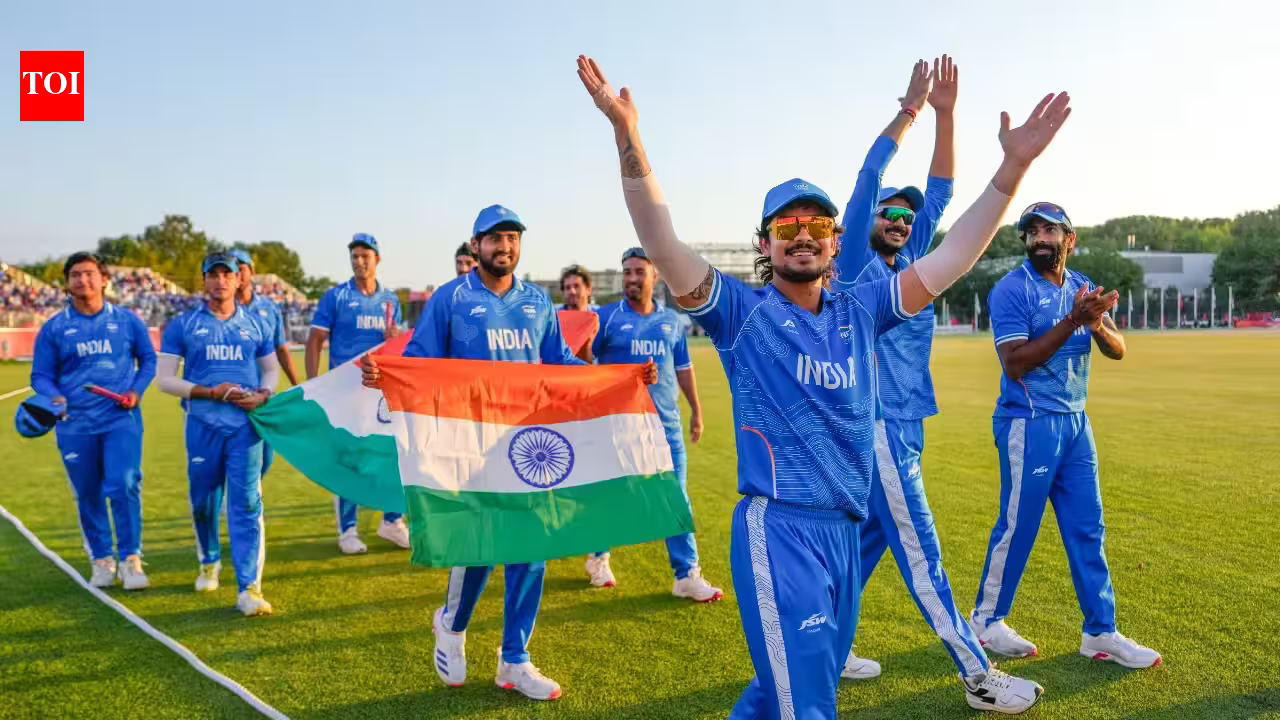







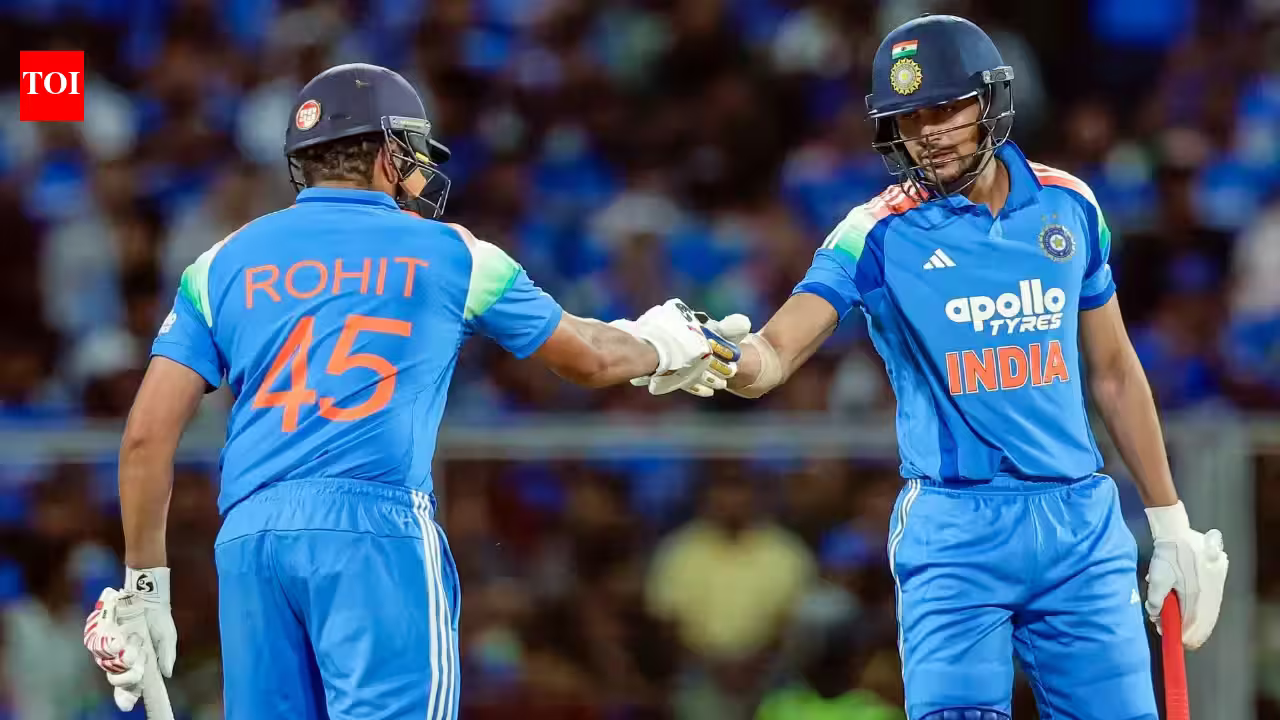
SHUBMAN GILL has made one thing abundantly clear as his side navigates the rocky road toward next year’s ODI World Cup in South Africa: the time for experimentation is over.
Following a series victory over the West Indies in New Chandigarh, the young captain’s tone was far from celebratory. Instead, it was marked by a distinct sense of urgency. With the global tournament looming, the Indian team finds itself in a precarious position regarding its bowling depth, particularly in the pace department. For Gill, the luxury of auditioning new talent has been exhausted by a combination of injury crises, shifting schedules, and inconsistent performances.
## A Bare Cupboard in the Pace Department
The architecture of India’s current bowling unit is cause for genuine alarm. While Jasprit Bumrah remains the undisputed cornerstone of the XI, the supporting cast is surrounded by question marks. Mohammed Siraj, once a reliable spearhead, has seen his form dip significantly, leaving the team management searching for answers. Meanwhile, the unfortunate injury to Prasidh Krishna during the second ODI has further thinned the ranks of experienced seamers.
Reports indicate that the team has turned its gaze toward Gurnoor Brar as a potential solution for the conditions expected in South Africa, yet the instability remains palpable.
“It’s been unfortunate with the injuries and with the scheduling,” Gill lamented post-match. “We have not been able to play the bowling line-up that we would like to. It’s a great chance for them to showcase their skills, but honestly, there is not that much time to experiment. The combination that we want to play, hopefully, we get all the players that are available from the next series. We want to start playing with that combination.”
## The Scheduling Conundrum
The path to finding that stable core is complicated by India’s busy calendar. The upcoming five-match ODI series in New Zealand, followed by a two-Test series, presents a logistical nightmare. Given India’s delicate position in the World Test Championship standings, the team management is expected to rotate Test regulars out of the squad after the third ODI.
This decision, while necessary for red-ball success, threatens to disrupt the continuity Gill so desperately craves. Key figures such as Bumrah, Krishna, and Siraj are unlikely to feature in the full duration of the New Zealand tour, and even emerging prospects like Brar may be pulled out to focus on the Test setup. This creates a cycle of rotation that prevents the ODI side from ever truly coalescing.
## Tactical Deficiencies and Powerplay Woes
Gill’s frustration extends beyond just personnel; he is deeply concerned with the tactical execution of his bowlers, particularly in the powerplay and at the death.
“Bowling in the powerplay and in the death have hurt us,” Gill admitted. “If you don’t get off to a good start in the powerplay, it’s not easy to take wickets in the middle overs. It’s not easy to create chances with only four fielders outside the ring. The intensity of the game is completely different if you don’t keep taking wickets.”
The high-scoring nature of the recent series is, in Gill’s view, a direct consequence of these failings. Even in games where the batting order has successfully posted totals upward of 350, the lack of incisive bowling has allowed opponents to stay in the hunt, exposing a vulnerability that will be ruthlessly exploited in a World Cup environment.
## The Search for the No. 8 All-Rounder
One area where Gill is willing to remain patient—if only out of necessity—is the search for a pacer capable of contributing at the No. 8 spot. With Harshit Rana battling recurring injuries, the team has turned to debutants Anshul Kamboj and Aqib Nabi.
“Anshul and Aqib are going to be in the mix a lot,” the captain noted. “Anshul is someone who can also bat at No. 8. That number is very crucial for us. We don’t know who will be fit at the World Cup, so we want to see which players can deliver under pressure.”
While both debutants struggled to contain runs, conceding at over nine per over, Gill opted for a pragmatic, supportive approach. “It’s a little bit harsh on them. It’s not easy to come in and be able to deliver straight away. I hope that they learn from their mistakes.”
## Fielding Standards Under the Microscope
Perhaps the most stinging indictment from the skipper was directed at the team’s lack of discipline in the field. Over the past eight months, India’s fielding standards have shown a visible decline, a trend that could prove fatal in the high-stakes pressure of a World Cup.
“We dropped around three or four catches today,” Gill remarked with clear annoyance. “Our fielding in the series has not been up to the mark. I think in the whole series we dropped around seven catches. If the wicket is not helping much for the bowlers and the fielding is substandard, it’s a difficult job.”
For a team that prides itself on high energy and intensity, the current lack of sharpness is an area that demands immediate correction. As the countdown to South Africa continues, Gill is making it known that the window for errors is closing. He demands a squad that is not only talented but one that is settled, focused, and, above all, ready to perform at the peak of their powers when the world is watching.
Disclaimer: This content is auto-generated for informational purposes only.
Source: Read Original News