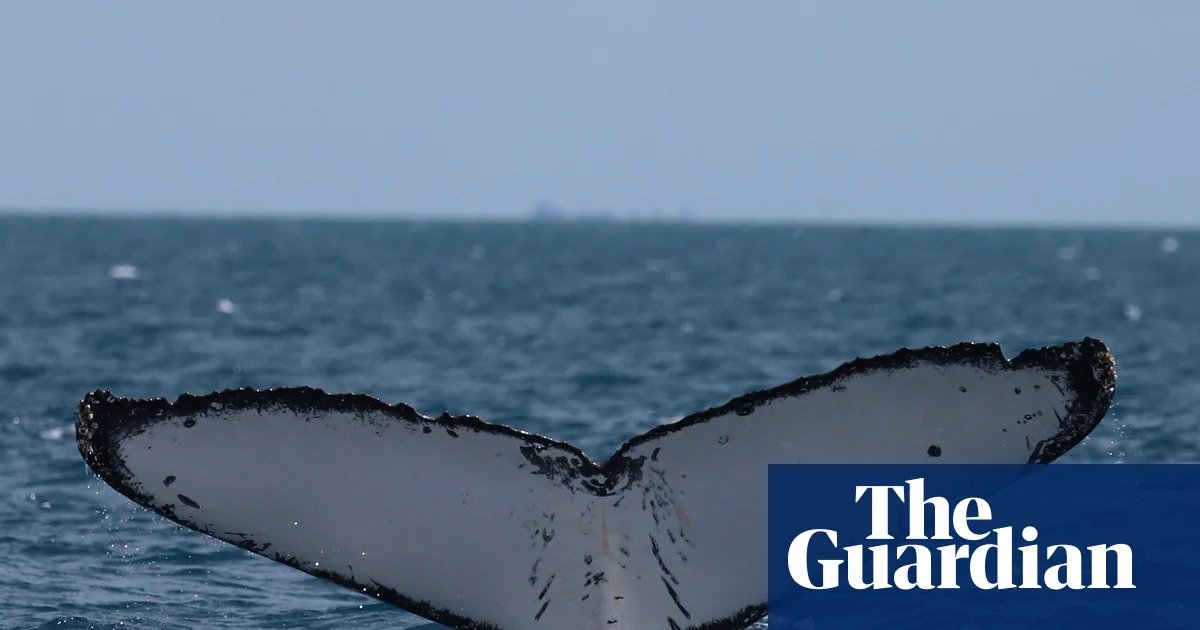









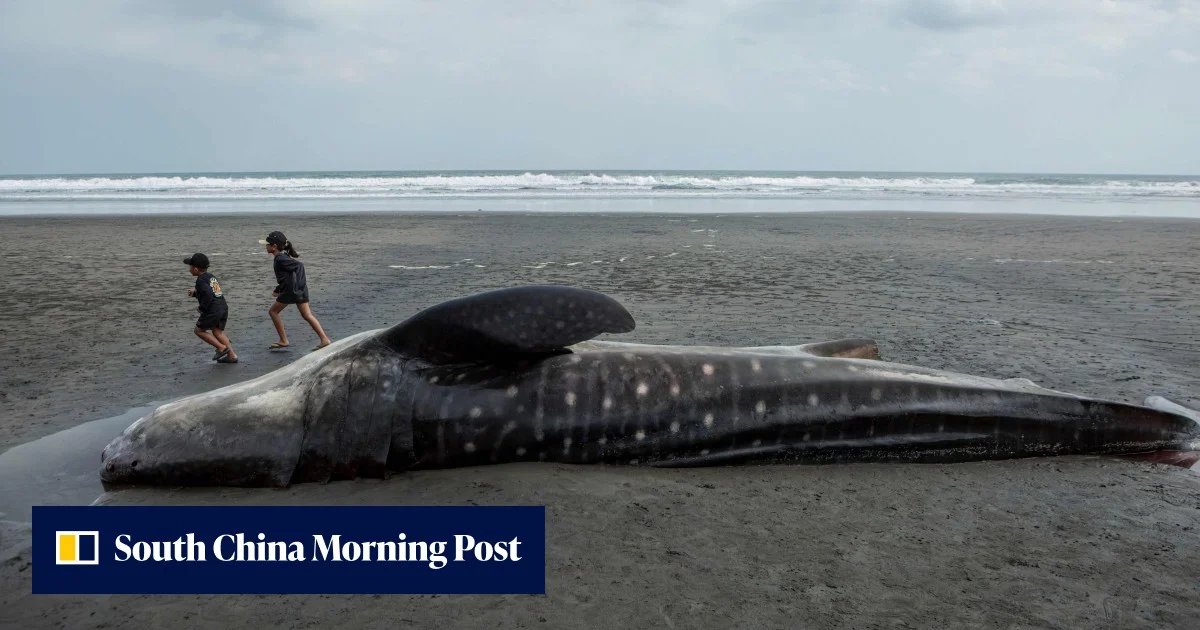
A surge in whale and whale shark strandings across the Indonesian archipelago has sparked urgent concern among marine biologists and conservationists. Within the last three weeks alone, five major incidents have been documented, stretching from the northern tip of Sumatra to the coastlines of Bali and South Sulawesi. These deaths—involving both large whales and the vulnerable whale shark—have prompted experts to investigate whether these events represent a genuine ecological crisis or are the result of evolving reporting patterns in a hyper-connected age.
The recent string of tragedies began on September 12, when a dead whale shark washed ashore in Bali. This was followed by a series of discoveries across the region: a whale in West Java on September 21, a whale shark in South Sulawesi on September 19, a decomposed whale in a Riau mangrove, and a final whale shark stranding in Aceh province on September 25.
While individual strandings are not uncommon, the frequency of these reports mirrors a broader, worrying trend identified in recent research. A study published in Scientific Reports by the Elasmobranch Institute Indonesia and Konservasi Indonesia highlights a sharp shift in the data. Between 2011 and 2019, the region recorded fewer than 10 whale shark strandings annually. Since 2020, however, that figure has more than doubled, averaging over 22 cases per year.
Researchers emphasize that pinning the cause on a single factor is difficult, as the strandings are likely influenced by a complex interplay of natural and anthropogenic pressures. The Scientific Reports study points to oceanographic conditions as a primary driver. Seasonal upwelling—a phenomenon where deep, cold, nutrient-rich water is pushed to the surface by wind-driven currents—is known to attract large marine life. As these creatures follow the concentration of prey toward the coast, they become increasingly susceptible to navigating shallow, hazardous waters, or falling victim to sudden shifts in wave height and temperature.
However, scientists caution that the perceived “spike” in strandings may be partially an illusion created by better surveillance. “The role of the ‘citizen scientist’ cannot be underestimated,” says one researcher familiar with the findings. With the ubiquity of smartphones and the speed of social media, strandings that would have gone unnoticed in remote coastal areas a decade ago are now documented, photographed, and broadcast within minutes. This increased visibility has undoubtedly led to a more comprehensive data set, though it complicates the task of determining whether the total number of deaths is truly increasing or if humanity is simply becoming more aware of them.
Environmental shifts remain a critical area of concern. As global sea-surface temperatures continue to rise, the delicate balance of marine ecosystems is being tested. Changes in thermal profiles can disrupt the migration routes of megafauna, potentially pushing them into unfamiliar or dangerous coastal zones. Furthermore, human activity—including entanglement in fishing gear, ship strikes, and ocean pollution—remains a persistent, if often invisible, threat to these giants of the sea.
For now, the Indonesian government and local conservation groups are focused on intensifying monitoring efforts. The challenge lies in distinguishing between mortality caused by natural oceanographic events and that driven by human-induced stressors. As the region grapples with these recurring tragedies, the primary objective is to develop a more robust response strategy, ensuring that data collected from each stranding contributes to a better understanding of how to protect these species in a rapidly changing ocean.
Disclaimer: This content is auto-generated for informational purposes only.
Source: Read Original News