






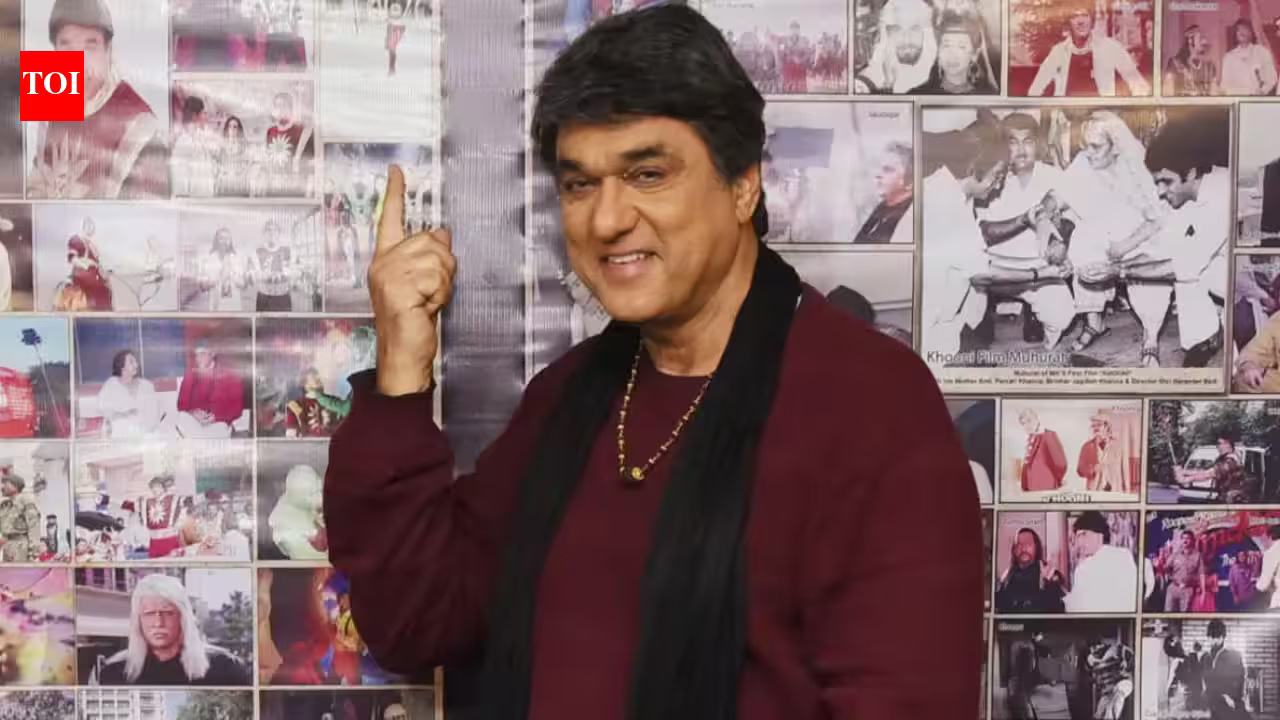
For generations of Indian television viewers, the towering presence of Mukesh Khanna is etched into the collective consciousness. Whether he is the stoic, noble Bhishma Pitamah from B.R. Chopra’s Mahabharat or the caped crusader who defined the childhoods of millions as Shaktimaan, Khanna has always been a performer who commands attention. Yet, in recent years, the veteran star has been notoriously selective with his cinematic ventures, preferring to weigh the cultural resonance of a project over the sheer volume of his filmography.
That deliberate silence is now set to break. Khanna has officially announced his return to the silver screen with the upcoming film Vishwaguru, a project he describes as a pivotal moment in his career. In an industry defined by the relentless churn of content, Khanna’s return is not merely a comeback; it is a calculated choice that he insists is anchored in the sanctity of the script.
The Art of the Selective Comeback
In a candid interaction, Mukesh Khanna offered a rare glimpse into the internal deliberation that precedes his signature on a contract. It is no secret that the actor has become increasingly discerning, shying away from the mainstream commercial treadmill that dominates Bollywood. He admits that Vishwaguru did not immediately receive a green light from him; rather, the project underwent a rigorous courtship process.
“I make very few films,” Khanna stated, emphasizing that his lack of visibility on the big screen is a result of creative intentionality rather than a lack of opportunity. He noted that the filmmakers behind Vishwaguru displayed a level of persistence that eventually broke through his defenses. According to the actor, the team didn’t just pitch the film; they engaged him in a multi-stage dialogue.
“Three times, he sat at my table and went out, then came in, then went out, then came in,” Khanna recalled of the director’s persistent efforts to secure his participation. “And ultimately, he left a ‘Ram Bandh’ on me.” This anecdote speaks to the weight Khanna places on personal connection and the “subject” of the film—a criteria that has guided his choices since his early days in the industry.
Echoes of ‘Censor’: A Career Milestone
The comparison between Vishwaguru and his past work is inevitable, but Khanna makes a striking distinction when he references the late, legendary Dev Anand. The actor pointed to the 2001 film Censor—in which he portrayed an Indian Army officer—as one of the few projects that carried the same weight and gravity as this current endeavor.
For many, Censor was a bold exploration of the cinematic landscape, a meta-commentary on the state of Indian film regulation. By framing Vishwaguru in the same breath, Khanna is signaling that he views this new project as more than just an entertainment vehicle; it is, in his estimation, a “big film” that carries a social or nationalistic resonance that he feels compelled to champion.
“People are waiting for me,” he remarked with the quiet confidence of a man who knows his legacy. It is a bold statement, but one that carries water. In an era of digital remakes and nostalgia-baiting, the return of a face as recognizable as Khanna’s carries an inherent gravitational pull. Fans of the actor have long clamored for a role that matches the stature of his iconic television personas, and Vishwaguru appears to be the vessel for that return.
The Power of the Mother Tongue
One of the most telling details revealed by the veteran actor involves the linguistic texture of the film. In a time where the lines between regional and pan-Indian cinema are increasingly blurred—often leading to hybrid dialogue delivery—Khanna highlighted a specific condition that led to his final “yes.”
The makers, recognizing the gravitas that Khanna brings to his oratorical performances, assured him that his dialogues would be delivered in pure, potent Hindi. “Sir, you speak in Hindi in this film. And I said, okay, fine,” Khanna noted. For an actor who built his reputation on the booming, authoritative delivery of Sanskrit-infused Hindi in Mahabharat and the moralistic sermons of Shaktimaan, the language of the script is clearly more than a communication tool; it is the heartbeat of the character. This commitment to the linguistic integrity of the role suggests that Vishwaguru will lean into the classical, traditionalist style that his fanbase finds so endearing.
‘Vishwaguru’: A Narrative of Strength and Spirituality
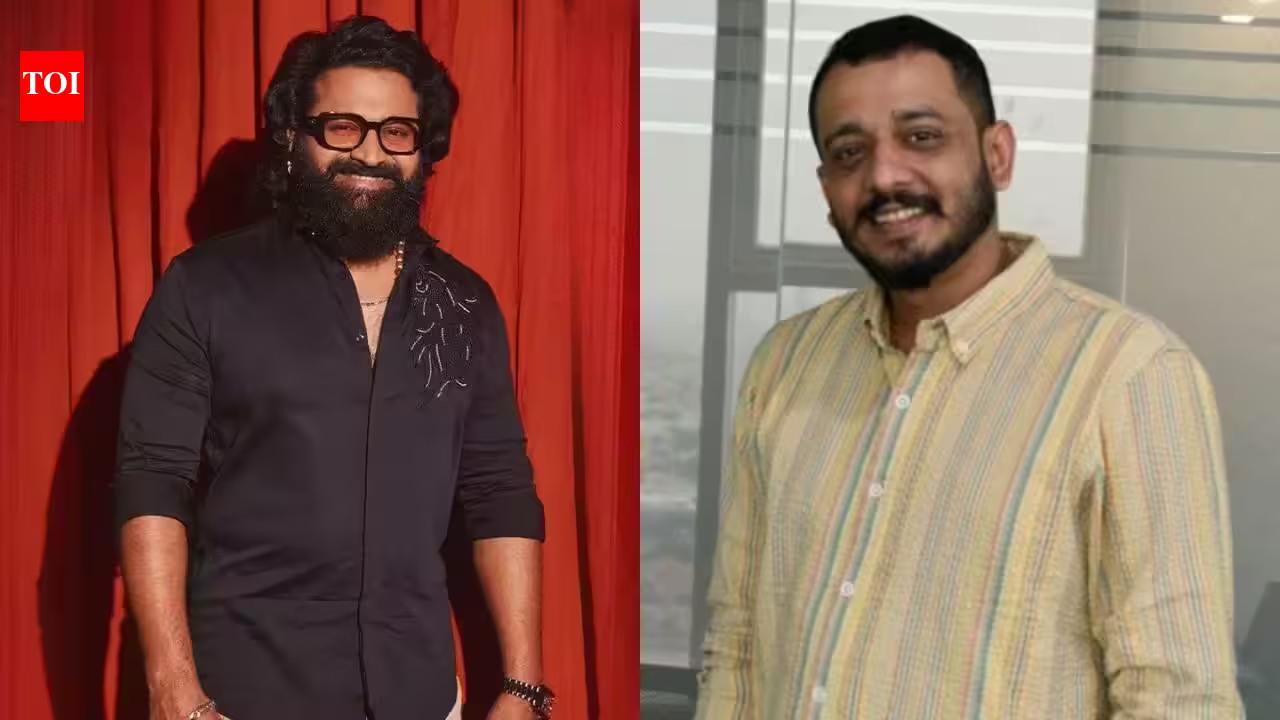
Directed by the duo Shailesh Boghani and Atul Sonar, Vishwaguru enters a landscape currently obsessed with high-octane action and geopolitical intrigue. The plot centers on an international conspiracy, where external forces attempt to destabilize India through both deceit and physical force. However, the film promises a thematic pivot that separates it from standard espionage thrillers.
Rather than relying solely on ammunition or tactical warfare, the narrative positions “spiritual knowledge” as the ultimate defensive bulwark for the nation. It is a premise that aligns perfectly with the brand of heroism Mukesh Khanna has represented throughout his career—one where wisdom, moral clarity, and national pride form the armor of the protagonist. By presenting India as a “global teacher” or Vishwaguru, the film aims to tap into contemporary nationalistic sentiment, viewing the country’s heritage as an active agent in the modern geopolitical struggle.
As the industry gears up for the release, all eyes will be on how the audience responds to this synthesis of old-school gravitas and modern-day thematic intensity. For Mukesh Khanna, the project is a testament to the idea that some voices—and some actors—don’t need to shout to be heard; they simply need to wait for the right script to find them. Whether Vishwaguru becomes the definitive comeback that reclaims his place at the top of the cinematic hierarchy remains to be seen, but one thing is certain: the wait is finally over.
Disclaimer: This content is auto-generated for informational purposes only.
Source: Read Original News