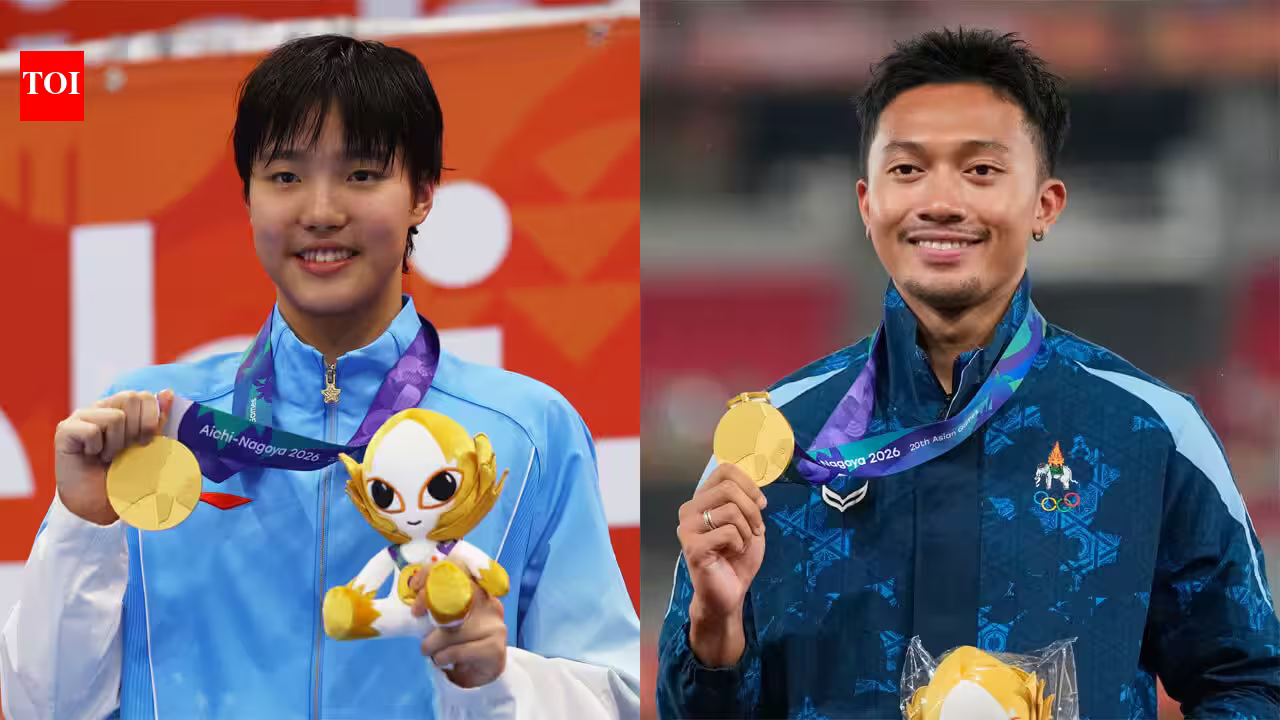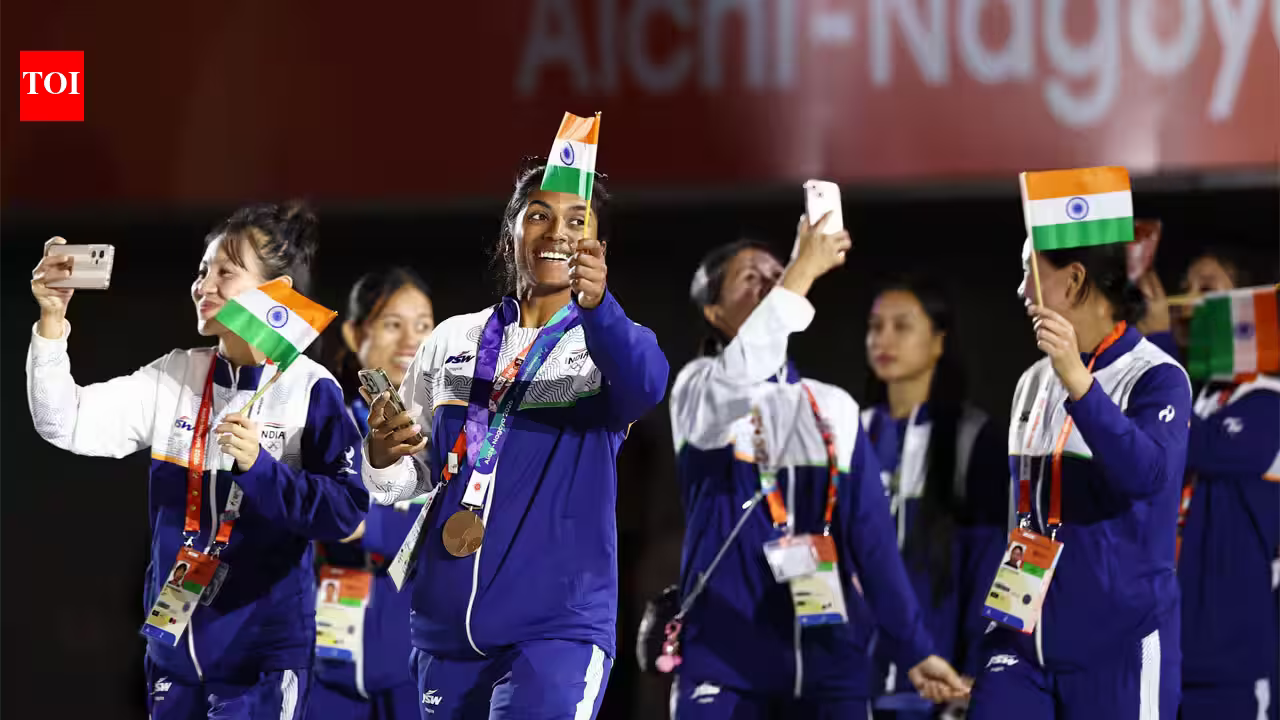








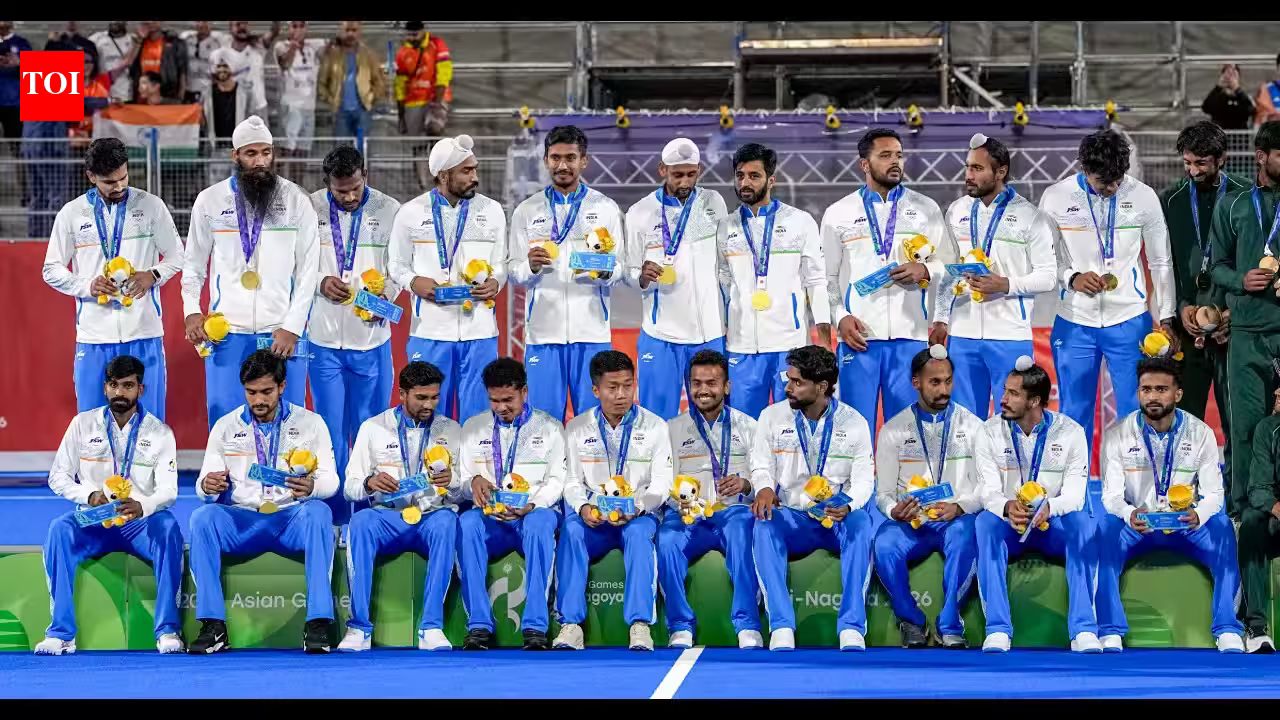
Aichi-Nagoya served as the ultimate litmus test for India’s revamped sports policy, a strategy defined by a “leaner, meaner” objective that sought to trade volume for precision. As the dust settles on the 2026 Asian Games, the data reveals a complex narrative: while the overall medal count dipped compared to the record-breaking 106-medal haul in Hangzhou, the efficiency of the smaller, high-performance-focused contingent provides a compelling argument for the Sports Ministry’s controversial selection criteria.
A Leaner Contingent, A Sharper Edge
Heading into the Games, the Sports Ministry stood firm against criticism regarding its stringent qualification standards. With a mandate to send only those with realistic podium potential, the Indian delegation was reduced from 661 athletes in 2022 to just 495 in 2026—a 25.1% contraction. Squads in disciplines like tennis, judo, and wushu were significantly trimmed, while football, basketball, and handball were excluded entirely to ensure resources were funneled into elite prospects.
The result was a measured output: India concluded the 14-day competition with 85 medals—21 golds, 27 silvers, and 37 bronzes. While the total medal haul fell by roughly 19.8% compared to the previous edition, the efficiency metrics painted a different picture. India’s medal return rate actually improved, rising from 16 medals per 100 athletes in Hangzhou to 17.2 medals per 100 in Aichi-Nagoya. When adjusted for the smaller roster, the “quality-over-quantity” gamble showed a tangible, albeit marginal, success in strike rate.
Where Did the Golds Go?
The most significant pivot in the medal table occurred within the high-yield disciplines of athletics and shooting. In 2022, these two sports were the engine room of India’s dominance, contributing 13 of the 28 gold medals. In Japan, that combined output collapsed to just four—three from shooting and a solitary gold from athletics.
The athletics campaign, in particular, proved turbulent. Despite a substantial contingent, the podium shifted toward silver and bronze, hindered further by the high-profile withdrawals of national record holders like Jyothi Yarraji and Praveen Chithravel due to injuries sustained during the lead-up to competition. Shooting also faced headwinds, with the gold medal yield dropping by 57% as the sport grappled with tighter competition and a shifting landscape of individual and mixed-team dynamics.
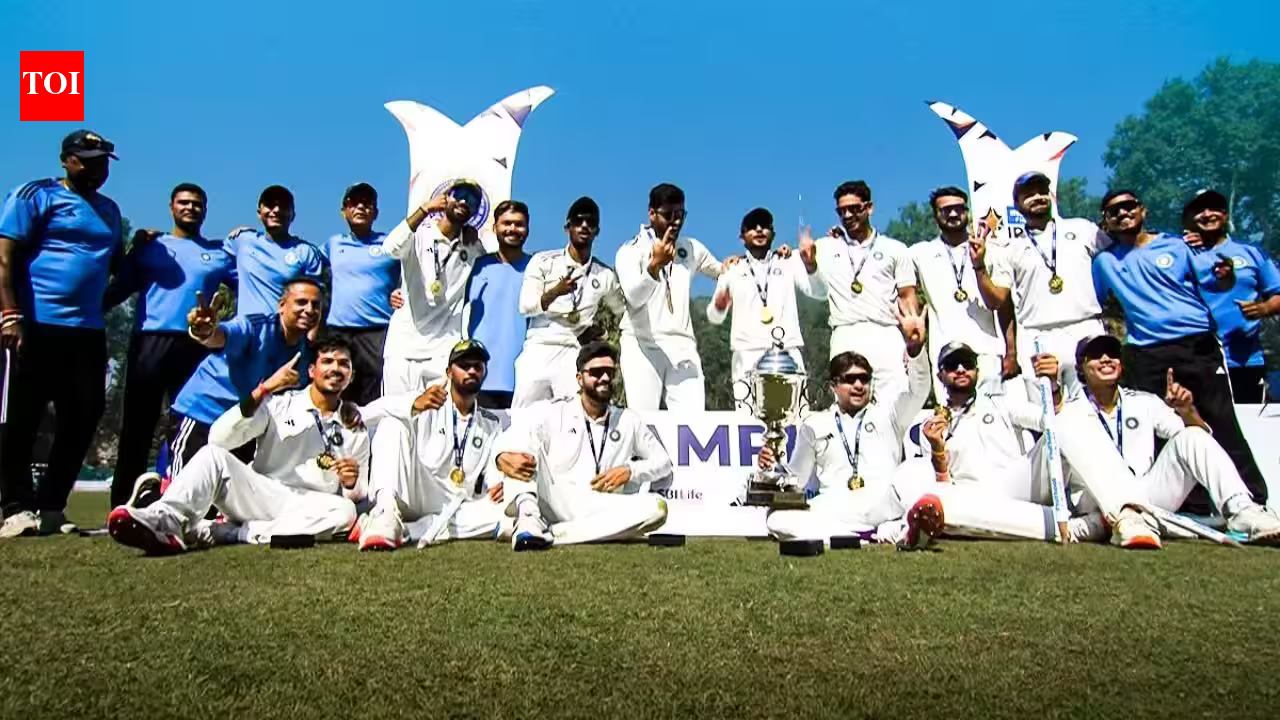
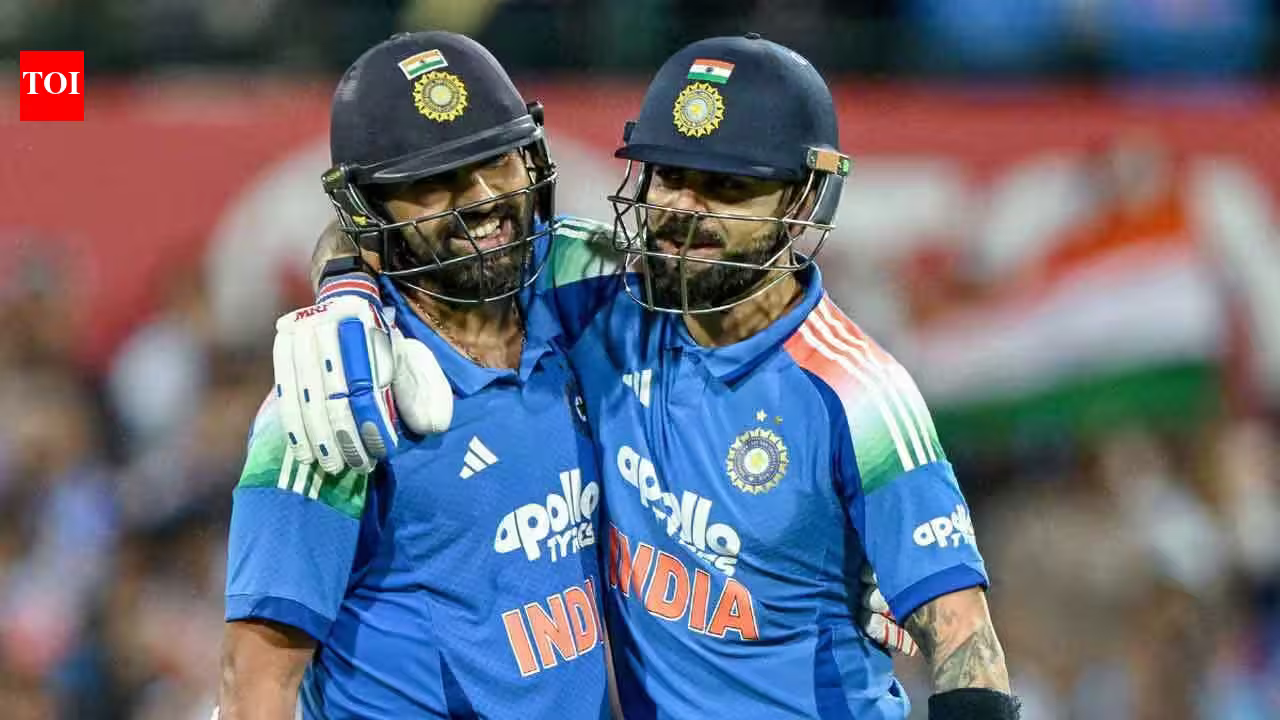
Conversely, team sports emerged as the bedrock of the 2026 campaign. Hockey, cricket, and kabaddi proved to be the country’s most reliable gold mines, accounting for six of the 21 top-podium finishes. The dominance of the hockey teams—specifically the women’s triumph to secure a spot for the LA 2028 Olympics—offered a high-point that underscored the importance of systemic, team-based funding.
The Late-Game Surge: A Race Against Time
If the narrative of the first 12 days was one of struggle and drought, the final 48 hours provided an electrifying rebuttal. India entered the final two days with only 10 gold medals, struggling to keep pace with the momentum established in Hangzhou. However, the closing stages witnessed a remarkable turnaround: India secured 11 gold medals across the final two days—accounting for over 52% of its entire gold haul.
Day 13 and 14 were defined by a flurry of golden moments. From boxers Lovlina Borgohain and Ankush Panghal to the tactical brilliance of the men’s cricket team and the relentless tenacity of wrestlers like Aman Sehrawat and Sujeet Kalkal, the Indian contingent mounted a surge that saved the final tally from appearing lackluster. While this late rally was insufficient to bridge the 21-medal gap to the Hangzhou record, it served as a testament to the athletes’ resilience under pressure.
Lessons for the Future
The comparison between Hangzhou and Aichi-Nagoya offers a sobering reflection on India’s trajectory in continental sports. The goal of “efficiency” was met; the Indian squad was, by the numbers, a more surgical unit than its predecessor. However, the heavy reliance on a late-stage surge and the decline in traditional powerhouse sports like athletics and shooting indicate that the “leaner” approach may have reached its limit of efficacy.
For the Sports Ministry, the takeaway is dual-faceted. The qualification criteria successfully filtered out underperformance, but the significant loss in gold-medal volume from athletics suggests that narrowing the talent pool requires a simultaneous increase in high-performance infrastructure to ensure the athletes who do qualify are capable of hitting peak form under the bright lights.
As India looks toward future continental and global challenges, the 2026 Asian Games will be remembered as the point where the nation shifted from chasing total numbers to chasing tactical efficiency. It was a Games of fewer athletes, fewer medals, but a renewed, albeit challenging, pursuit of elite standard.
Disclaimer: This content is auto-generated for informational purposes only.
Source: Read Original News