








The Transition to OLED Technology in MacBook Pro Displays
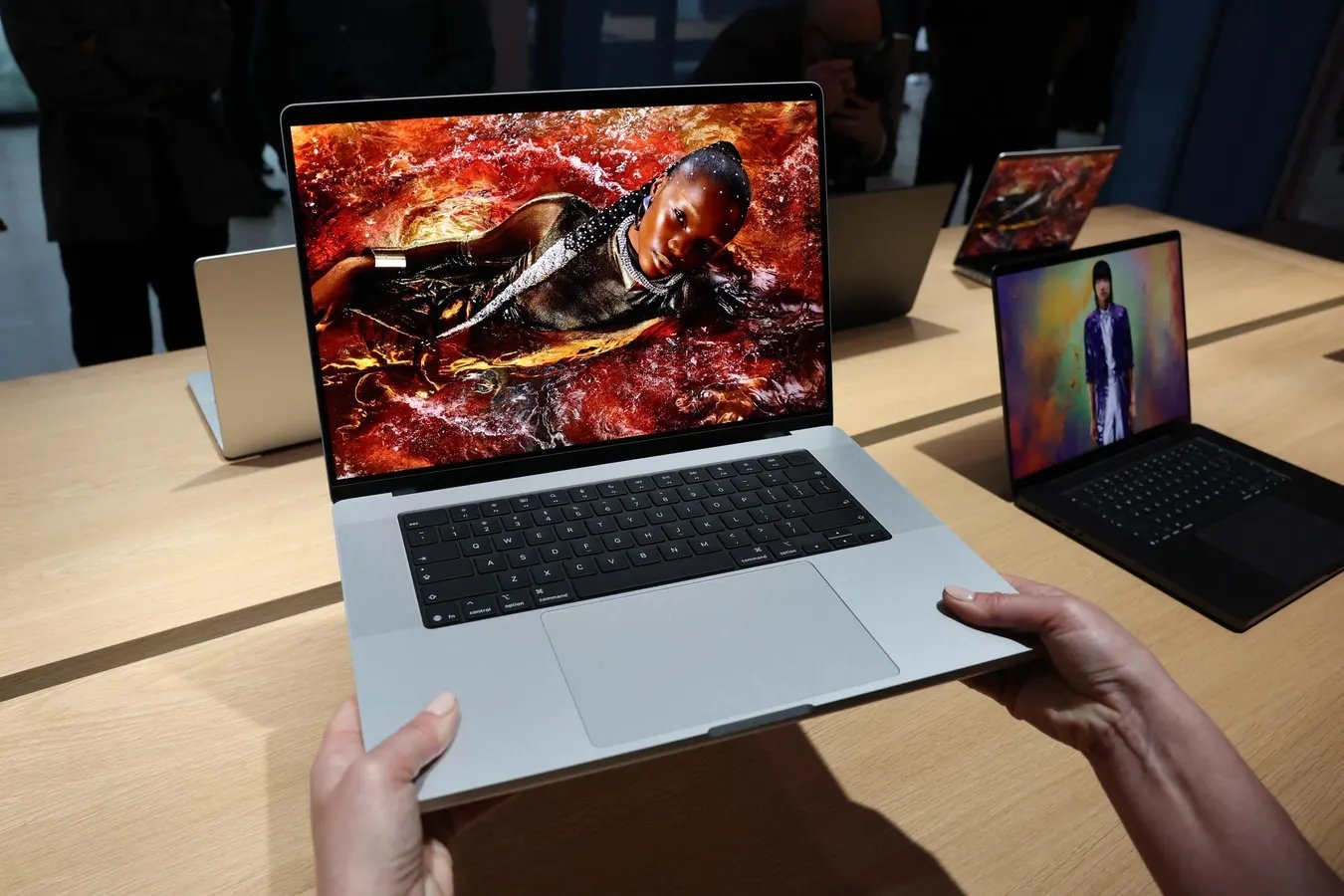
The computing industry is bracing for a significant shift in hardware standards as reports emerge regarding the upcoming release of premium 14-inch and 16-inch MacBook Pro models. The most notable architectural change involves the integration of Organic Light-Emitting Diode (OLED) display technology. Unlike the traditional Liquid Retina XDR displays found in current high-end notebooks, OLED panels offer self-emissive pixels, which provide true blacks, infinite contrast ratios, and faster response times.
For professional creators, designers, and video editors, this update represents a move toward greater color accuracy and power efficiency. Because each pixel in an OLED display functions as its own light source, the system can completely deactivate pixels when rendering dark areas, which drastically reduces power consumption during high-contrast workflows. This transition is widely viewed as the next logical step in Apple’s hardware roadmap, aligning the laptop experience with the visual fidelity of the high-end mobile displays already established in the iPhone and iPad Pro lineups.
Next-Generation Processing Power with M5 Silicon
At the heart of these upcoming machines will be the M5 Pro and M5 Max chip architectures. These processors are designed to manage the high bandwidth requirements of an OLED display while maintaining the performance-per-watt metrics that have defined the M-series evolution. The M5 series is expected to utilize advanced lithography processes, allowing for higher transistor density and more efficient thermal management.
The inclusion of these chips serves a dual purpose: supporting the visual demands of the display while providing sufficient headroom for complex machine learning tasks and professional-grade rendering. As software suites become increasingly reliant on localized artificial intelligence, the M5 chips are anticipated to include enhanced Neural Engine capabilities. This integration ensures that the hardware does not become a bottleneck for heavy computational workflows, maintaining the performance standards expected by professional users who demand reliable, high-speed execution for complex software environments.
Touch-Screen Integration and Human-Computer Interaction
A major departure from Apple’s long-standing design philosophy is the rumored inclusion of touch-screen functionality on the MacBook Pro. For over a decade, the company maintained a clear distinction between the touch-first interface of the iPad and the cursor-driven interface of macOS. However, the introduction of touch-screen support—likely optimized for precision tasks rather than general navigation—suggests a convergence of these ecosystems.
This feature is expected to be implemented as a supplement to the traditional trackpad and keyboard interface. By allowing users to interact directly with the display, tasks such as color grading, timeline scrubbing in video editing, or 3D object manipulation become more intuitive. Furthermore, the integration of the Dynamic Island on the MacBook screen suggests that Apple intends to unify the interface elements found across its device portfolio, providing a consistent interactive space for background tasks, media controls, and system notifications without cluttering the primary workspace.
The macOS 27.2 Beta and System Integration
Underpinning these hardware changes is the development of macOS 27.2, which is currently in the beta phase. This operating system update appears to be specifically calibrated to support the hardware features of the new MacBook Pro models. A key aspect of this software roll-out is the optimization of the macOS kernel to recognize and utilize the specific sub-pixel arrangement of the new OLED panels, as well as the drivers necessary for touch-screen input.
The release of macOS 27.2 by the end of the month is timed to coincide with the shipping of these new units. This indicates that the operating system has been built with a focus on seamless interaction between the hardware and software layers. By refining how the OS manages background processes, power distribution to the display, and input feedback, Apple is positioning this software release as a foundational pillar for its future desktop hardware.
Cellular Connectivity and Future Design Evolution
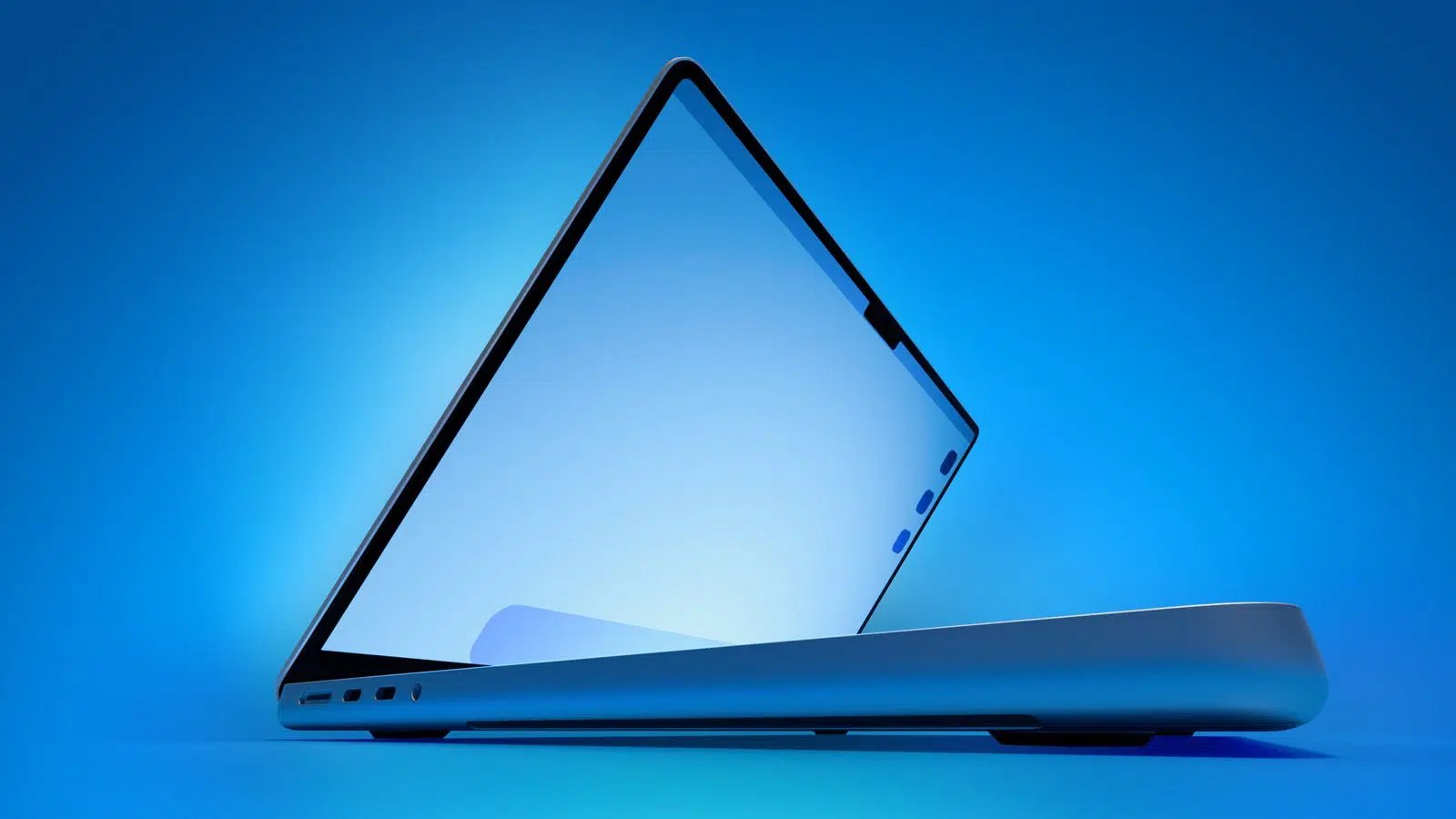
Beyond display and processing, Apple has been investigating the viability of cellular-connected Macs. The prospect of an LTE or 5G-capable MacBook Pro would change the nature of remote work, allowing users to remain connected without relying on public Wi-Fi or mobile hotspots. While technical challenges regarding antenna placement and thermal constraints have historically hindered this development, the thinner design language projected for these new MacBook Pros suggests that engineers have found ways to integrate these radios without compromising the chassis’ structural integrity.
Additionally, these OLED-equipped models are projected to occupy a premium segment above the current 14-inch and 16-inch offerings. By positioning this device as a top-tier category, the company leaves room for the standard MacBook Pro line to potentially leapfrog the current architecture, with rumors suggesting that subsequent standard models may skip the M6 generation entirely in favor of an M7 Pro and M7 Max implementation. This tiered strategy allows for market segmentation, catering both to professionals who require bleeding-edge hardware and those who prefer a more iterative, traditional upgrade path.
Strategic Impact on the Laptop Market
The introduction of these high-specification MacBook Pros serves as a clear signal to the professional computing market regarding the direction of portable workstations. By combining OLED panel technology with touch-screen capability and advanced cellular connectivity, Apple is addressing the demand for devices that are as flexible as tablets but as powerful as desktop workstations.
This hardware evolution reflects a broader trend toward modular and adaptive professional tools. As the industry moves away from static computing toward more responsive, touch-sensitive, and always-connected workflows, these MacBook Pros represent a pivotal moment in design and engineering. The market impact will likely be significant, as users evaluate whether the improvements in display contrast, input versatility, and connectivity justify the premium positioning of this new, as-yet-unbranded flagship laptop series.
Disclaimer: This content is auto-generated for informational purposes only.
Source: Read Original News