







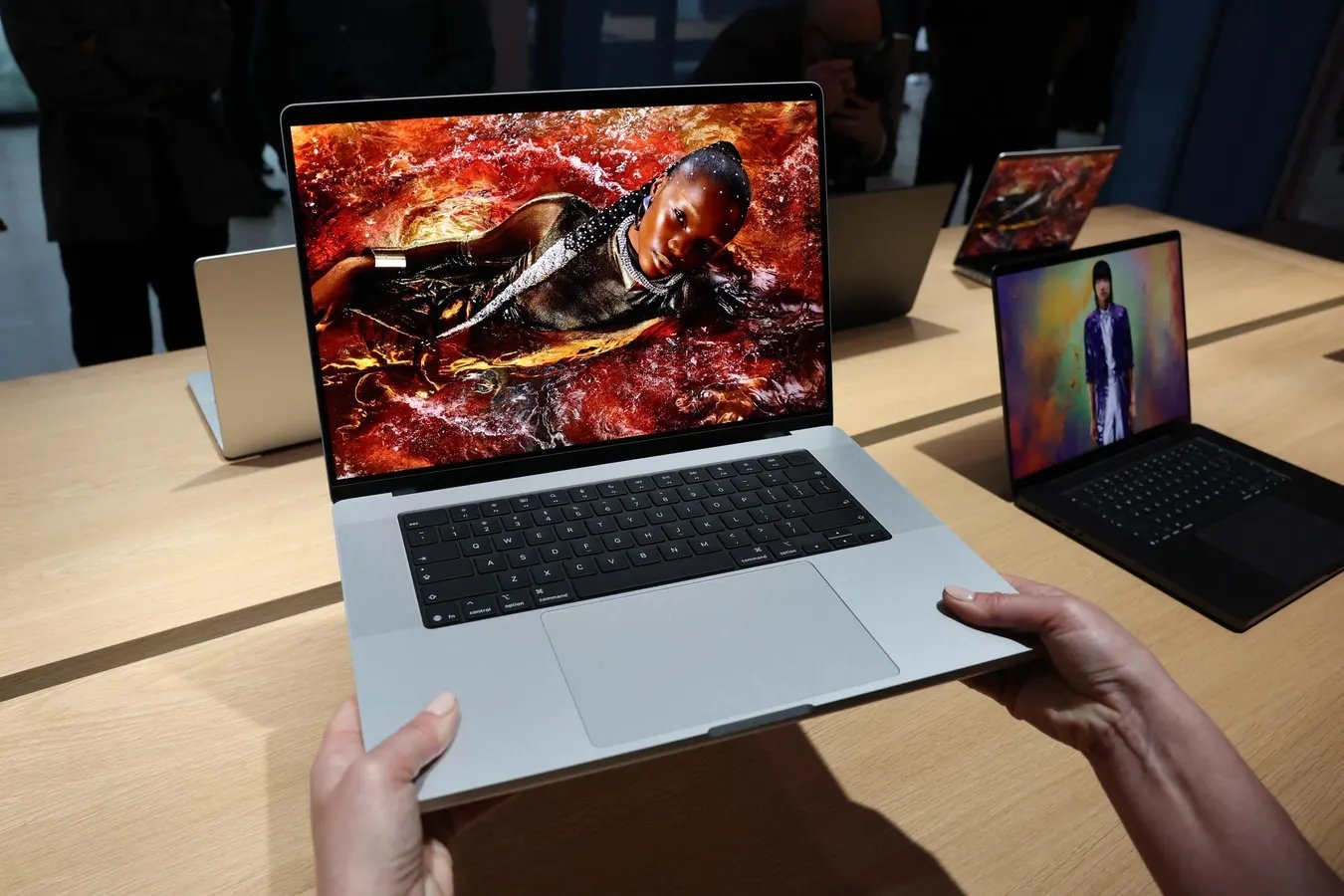
The landscape of Apple’s personal computing division is entering a period of significant architectural and operational transformation. Following the successful August 2026 introduction of the M6-powered Mac Mini, attention has shifted to the laptop portfolio. As Apple moves to integrate its latest Silicon across the MacBook Pro and Air lines, it is navigating a complex web of production schedules, display technology transitions, and a fundamental shift in leadership strategy under CEO John Ternus.
MacBook Pro M6: Apple’s Phased Silicon Architecture
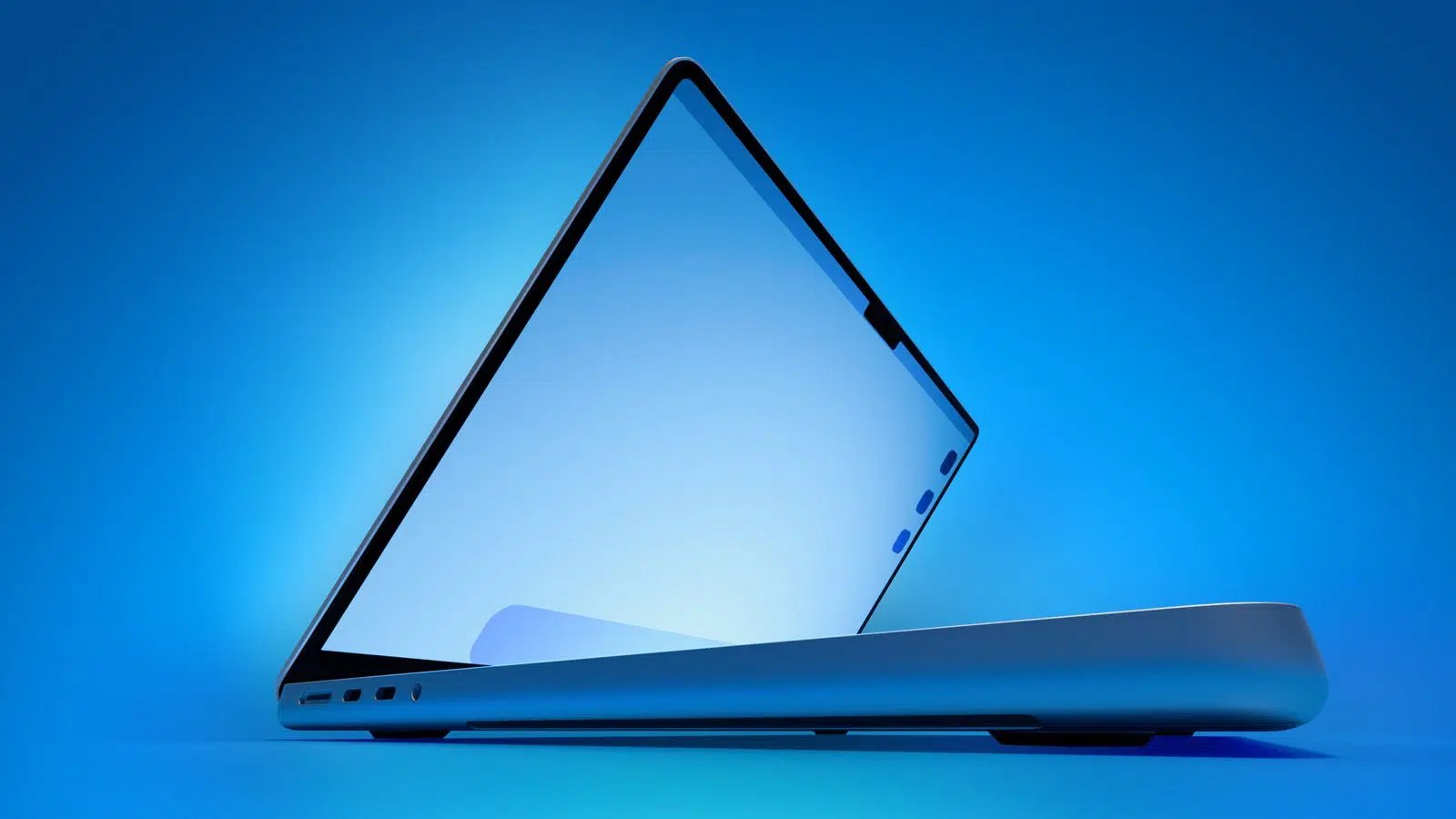
Apple’s strategy for the remainder of the year centers on the rollout of the entry-level MacBook Pro equipped with the standard M6 chipset. Historically, Apple maintains a flexible release window in the fourth quarter, typically targeting late October for its laptop announcements. Industry reports suggest that this cycle will follow a established pattern of staggered performance tiers.
By prioritizing the base M6 silicon, Apple aims to refresh its primary professional portable before addressing the more powerful variants. This phased approach allows the company to manage supply chain logistics for its new node architecture while providing a clear upgrade path for users of older generation hardware. Whether this announcement occurs via a traditional press release—mirroring the Mac Mini’s debut—or a formal media event remains a point of speculation, but the focus remains on ensuring the M6 becomes the new standard for the MacBook Pro experience by the close of the year.
MacBook Pro OLED: Display Transition And Market Positioning
A critical component of the upcoming roadmap is the transition to OLED display technology. While demand for superior contrast ratios and improved energy efficiency is high, Apple appears to be exercising caution to avoid internal cannibalization of its product ecosystem. Integrating an OLED panel is widely expected to be the catalyst for Apple’s first major foray into touchscreen Mac hardware.
Moving to a touchscreen interface involves more than just hardware integration; it requires a sophisticated overhaul of the macOS user experience to ensure that the interface remains accessible for users who rely on traditional trackpad and keyboard inputs. Current projections indicate that this flagship laptop will likely skip the standard M6 chip, opting instead for M5 Pro or M5 Max architectures to maintain high-performance benchmarks. Given the strategic importance of the iPhone Duo, which dominates the late-October retail period, Apple is likely to defer the OLED MacBook Pro launch to early 2027. This timing prevents the high-end laptop from competing for visibility with core mobile products, allowing it to serve as a distinct premium offering in the new year.
MacBook Air M6 And MacBook Neo 2: Segmenting Entry Silicon
Apple’s consumer-facing laptop segment continues to be bifurcated between the traditional MacBook Air and the emerging MacBook Neo series. The MacBook Air, which remains the volume driver for Apple’s portable line, is expected to receive the M6 treatment in the spring of 2027. This aligns with Apple’s historical late-March or early-April update cycle for the 13-inch and 15-inch models.
Conversely, the MacBook Neo represents a unique architectural experiment. Unlike the M-series focused laptops, the Neo utilizes variants of the A-series Pro chips—specifically those pulled from the iPhone production line. Because these chips are tied to the iPhone’s rigid, annual production cycle, the MacBook Neo update schedule is inherently tied to the mobile device calendar. If Apple continues this trajectory, consumers might see the Neo 2 launch in early March 2027. This creates a distinct separation in the market: the M6-powered Air remains the choice for traditional productivity, while the Neo occupies a niche for users who prioritize integration with mobile-centric hardware cycles.
John Ternus’s MacBook Pro Operational Roadmap
The long-term predictability of Apple’s release windows is currently under review by CEO John Ternus. Historically, Apple has relied on seasonal, biannual events to drive consumer attention. However, under the guidance of its new leadership, there is an explicit intent to transition toward a model of rolling hardware introductions.
This approach aims to dismantle the rigid constraints of the Spring and Autumn event cycle, allowing the engineering teams to ship products as they reach maturity rather than holding them for specific marketing windows. If this mandate is fully realized, the expectation of a set “Mac season” may vanish. While the M6 generation is already deep in the production pipeline, the shift toward more frequent, less heralded updates could redefine how consumers perceive the lifecycle of the MacBook Pro. This shift favors agility in the face of shifting market demands, though it challenges the traditional rhythm of the tech industry, which has relied on Apple’s calendar as a benchmark for product maturity.
Ultimately, as the M6 architecture takes hold, the focus remains on balancing the high-performance needs of professionals with the increasing demand for advanced display technologies and mobile-like responsiveness. Whether through the refined power of the M6 chips or the potential introduction of OLED touch-enabled hardware, Apple is positioning its portfolio for a future that is less dependent on the calendar and more focused on hardware velocity.
Disclaimer: This content is auto-generated for informational purposes only.
Source: Read Original News