








Strategic Stability Amidst Global Geopolitical Volatility
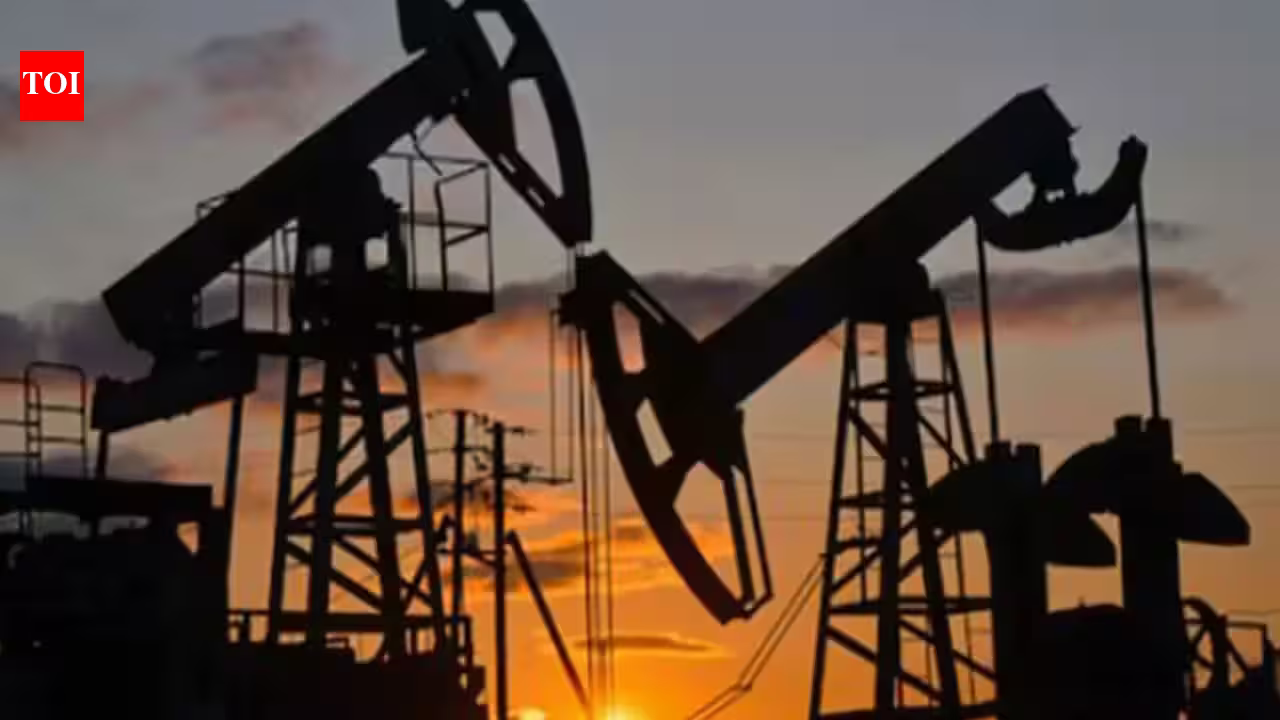
The recent decision by OPEC+ to maintain its current oil production targets through November marks a calculated effort to preserve price stability in an increasingly unpredictable global market. By choosing to hold the status quo, the coalition of major oil-producing nations, led by Saudi Arabia and Russia, is signaling a preference for market equilibrium over aggressive output expansion. This policy reflects a cautious stance as the alliance evaluates the multifaceted risks posed by escalating tensions in West Asia and potential disruptions to critical maritime logistics.
For energy-dependent economies, the OPEC+ strategy serves as both a stabilization mechanism and a warning. The ongoing conflict in the Middle East has brought the vulnerability of global energy supply chains back into sharp focus, particularly concerning the Strait of Hormuz—a vital chokepoint through which a significant portion of the world’s seaborne oil passes. Any perceived threat to this maritime passage introduces a risk premium into crude oil futures, pushing prices higher even without physical supply shortages. By keeping production targets steady, OPEC+ aims to avoid exacerbating this volatility, effectively acting as the global market’s thermostat in a volatile climate.
The Indian Economic Context and Energy Security
For India, the world’s third-largest oil importer, the OPEC+ decision carries profound macroeconomic implications. India imports over 85 percent of its crude oil requirements, making its economy exceptionally sensitive to global price fluctuations. A sustained period of stable oil output from OPEC+ provides a degree of predictability for the Indian government and corporate sectors, particularly concerning the fiscal deficit and domestic inflation.
When oil prices surge, India faces a double-edged sword: a widening current account deficit as the import bill balloons and inflationary pressure as logistics and production costs rise across the manufacturing and services sectors. The Indian government has historically navigated this by balancing domestic fuel prices, often utilizing the strategic petroleum reserve to manage supply shocks. However, dependence on volatile global supply chains remains a primary concern for policymakers. The OPEC+ commitment to current targets offers a temporary reprieve, allowing India to focus on its transition toward diversified energy sources while managing its immediate fiscal responsibilities. Sustained high oil prices often force the Reserve Bank of India into difficult monetary policy decisions, as energy costs are a major component of the Consumer Price Index. Thus, stable production targets from the bloc are essential for maintaining the momentum of India’s economic growth trajectory.
Dynamics of Voluntary Adjustments and Market Discipline
The cohesion of the OPEC+ alliance relies on a series of voluntary production adjustments, a mechanism that has evolved significantly since the start of the post-pandemic recovery. These measures, initiated by members including Saudi Arabia, Russia, Iraq, and Kuwait, demonstrate a collective willingness to sacrifice short-term market share for long-term price support. This discipline is not merely about managing supply; it is a geopolitical tool used to ensure that oil prices remain at levels that support the national budgets of member countries, many of which are heavily reliant on oil revenues for public infrastructure and social spending.
From an analytical standpoint, the challenge for OPEC+ lies in balancing the need for higher prices with the risk of stifling global economic recovery. If prices rise too quickly due to supply constraints, demand destruction may occur, particularly in emerging markets where energy sensitivity is high. Conversely, if the group allows too much output, prices could collapse, damaging their own economies. By keeping targets steady through November, the bloc is testing the market’s reaction to the current geopolitical risk premium. They are effectively signaling that they have sufficient spare capacity to intervene if prices rise to extreme levels, but are choosing not to do so unless market fundamentals explicitly require a surge in supply.
Geopolitical Risks and the Strait of Hormuz
The importance of the Strait of Hormuz cannot be overstated in this narrative. It serves as the primary artery for oil exports from the Gulf states, and any restriction or conflict near this region creates an immediate ripple effect throughout global financial markets. The OPEC+ decision is clearly informed by the reality that physical supply is currently secondary to the risk of logistical failure. As geopolitical tensions in the Middle East persist, the market is pricing in the possibility of transit delays and insurance premiums for tankers navigating the region.
Market observers are closely monitoring whether this status quo can be maintained if the geopolitical situation degrades further. If conflict expands, the traditional supply-demand balance will become irrelevant compared to the logistical reality of disrupted shipping lanes. India, in particular, has a vested interest in the maritime security of this region, as it relies heavily on tankers traversing these waters to meet its daily industrial and transport needs. The OPEC+ stance is a recognition that, in the current landscape, the most prudent course of action is to avoid any sudden adjustments that could be misread by markets already on edge.
Future Projections and Energy Transition Pressures
Looking toward the remainder of the year and into the next, the global oil market faces a structural pivot. While OPEC+ continues to prioritize short-term price stability, the long-term outlook is increasingly shaped by the global shift toward renewable energy. India has been at the forefront of this, aggressively scaling up its solar, wind, and green hydrogen infrastructure. The intent is to insulate the economy from the cyclical nature of the oil markets and the geopolitical whims of major exporters.
However, the transition is not instantaneous. For the foreseeable future, India’s industrial base will remain tethered to traditional hydrocarbons. Therefore, the strategic dialogue between India and the major oil-producing nations must remain robust. The predictability offered by the current OPEC+ output policy allows India to plan its capital expenditure and energy procurement with greater confidence. As the global energy map shifts, the ability of India to balance its reliance on fossil fuels with its ambitious climate goals will determine its economic resilience.
The OPEC+ decision to maintain current targets reflects a sophisticated understanding of the current era of “polycrisis,” where economic, political, and logistical challenges are deeply intertwined. For business leaders and policymakers, this stability is a welcome buffer. Whether this period of calm will hold, however, depends less on formal output agreements and more on the evolving nature of global conflicts and the ability of nations to maintain the security of critical energy infrastructure. The coming months will likely see a continued emphasis on supply vigilance, with all parties aware that the current stability is fragile and subject to sudden change.
Disclaimer: This content is auto-generated for informational purposes only.
Source: Read Original News