








The Interplay of Cash Transactions and Tax Compliance
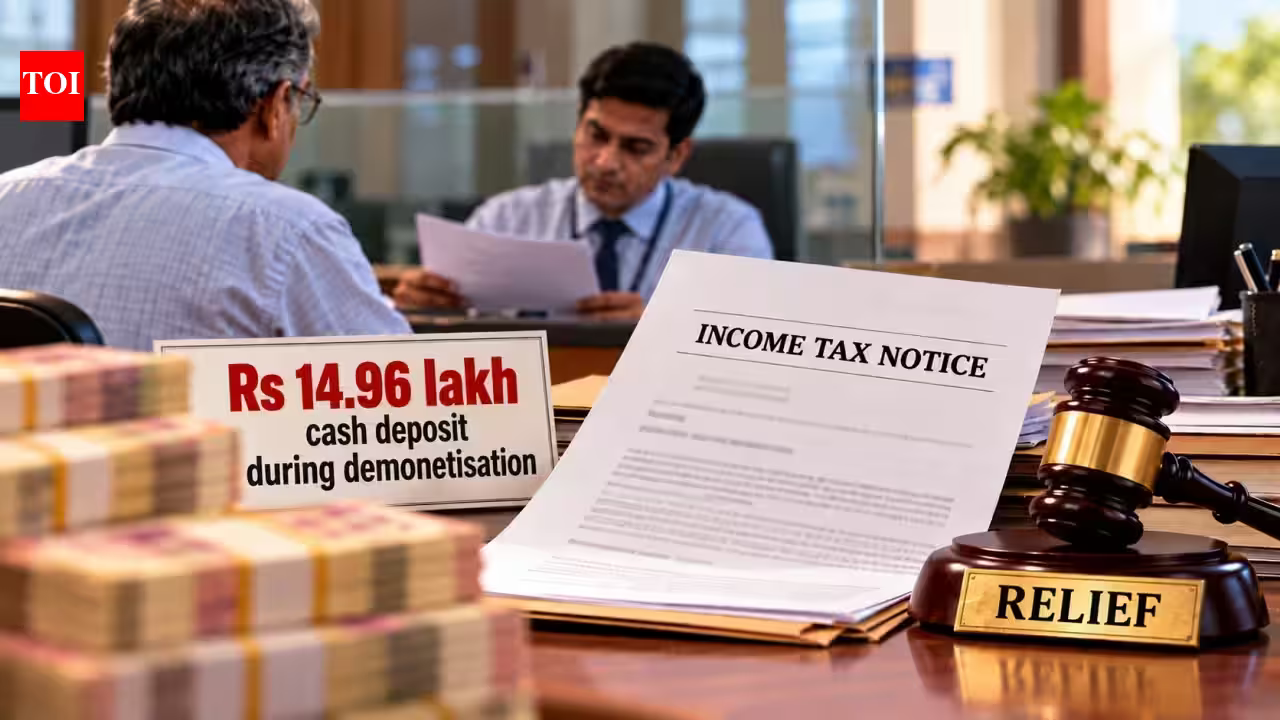
The recent ruling by the Income Tax Appellate Tribunal (ITAT) Delhi regarding a Delhi-based pharmaceutical retailer serves as a critical case study for small and medium enterprises (SMEs) operating in the Indian market. The taxpayer, who deposited Rs 2.47 crore in cash during the demonetization window, found himself entangled in a protracted legal struggle after the Assessing Officer (AO) and the Commissioner of Income Tax (Appeals) questioned the legitimacy of these deposits. While tax authorities are mandated to monitor high-value cash transactions to curb black money, this case highlights the tension between aggressive tax scrutiny and the burden of proof placed on legitimate businesses.
In the Indian economy, cash continues to be a primary medium of transaction for a vast number of retail businesses, particularly in sectors like pharmaceuticals, where daily operations involve frequent small-value sales. This case underscores a fundamental business principle: the importance of meticulous record-keeping. When a business owner deposits significant cash into bank accounts, the Income Tax Department evaluates the transaction based on the internal consistency of the entity’s financial records. For the pharmaceutical retailer in question, the challenge was to link the cash deposits directly to the business’s revenue streams while defending the validity of his bookkeeping against suspicions of unexplained income.
Navigating the Burden of Proof in Tax Audits
Under the Indian Income Tax Act, the onus of establishing the source of funds lies primarily with the taxpayer. When an Assessing Officer initiates a scrutiny assessment, they operate with broad discretionary powers to verify whether the deposits align with the declared income. The Delhi ITAT case demonstrates that while an assessing officer may express skepticism regarding the lack of specific correlations—such as salary disbursements or expense debits—the final adjudication relies on the evidentiary value of the documents provided.
The crucial takeaway here is that tax authorities often look for systemic failures. If an AO finds that expenses recorded in a profit and loss statement do not mirror the actual cash flow reflected in bank accounts, they may conclude that the books are unreliable. However, as the tribunal pointed out, this discretion is not absolute. To reject an assessee’s books under Section 145, there must be identifiable defects that render the financial statements incapable of reflecting the true profit of the business. In this case, the lack of such defects, combined with the presentation of VAT returns and audited balance sheets, provided the necessary legal scaffolding to protect the businessman’s interests.
The Significance of Documenting Internal Financial Flows
One of the most informative aspects of this ruling is how the taxpayer successfully defended his financial history by utilizing both personal and business-related records. The ITAT acknowledged that the source of the cash was not solely dependent on current sales, but also on historical savings accumulated by the taxpayer and his family members. By producing ITR filings of family members and verifying personal cash withdrawals, the taxpayer successfully built a cumulative narrative of his financial history.
In the context of Indian business, this highlights the necessity of maintaining personal and professional financial hygiene. Many entrepreneurs intermingle personal savings and business capital without proper documentation. When a tax audit occurs, this lack of segregation often leads to confusion, making it difficult for the taxpayer to explain the source of deposited funds. The ITAT’s decision to accept the evidence provided by family members—specifically the disclosure of personal savings—demonstrates that courts are willing to consider holistic financial proof, provided it is supported by documented tax history. Businesses must ensure that every significant movement of cash, whether it originates from operational sales or historical capital, is backed by a paper trail that can withstand judicial review.
Procedural Fairness and the Role of Appellate Tribunals
The judiciary plays a vital role in balancing the investigative powers of the tax department with the rights of the taxpayer. In the appeal process, the ITAT Delhi scrutinized not only the financial data but also the procedural approach of the lower authorities. The tribunal noted that the Commissioner of Appeals had rejected the taxpayer’s explanation without offering a rigorous or convincing justification for doing so. This effectively serves as a warning to tax officials: assessment orders must be backed by logical reasoning and a fair evaluation of the evidence submitted.
For the Indian business community, this outcome reaffirms that legal remedies are available to challenge orders that are perceived as arbitrary or insufficiently reasoned. However, litigation is a costly and time-consuming endeavor. The lesson for business owners is that while you may ultimately win in a tribunal, the necessity of maintaining robust records throughout the assessment process cannot be overstated. A well-documented business is inherently more resilient to scrutiny, and the quality of evidence presented at the initial AO level often determines the speed at which a taxpayer can find relief.
Lessons for Compliance in a Digital and Monitored Economy
The Indian tax landscape has undergone a radical transformation with the integration of GST, digital banking, and PAN-based reporting. Cash transactions are now monitored with greater precision than ever before. As the government pushes for increased transparency, the likelihood of receiving a notice for high-value cash deposits has increased significantly. For retailers and other cash-intensive businesses, reliance on cash is not a justification for poor compliance. Instead, it is a call to adopt higher standards of digital and paper-based accounting.
The fact that this case revolved around the demonetization period is significant, as that period saw an unprecedented level of surveillance on bank deposits. Yet, even in such high-pressure environments, the core tenets of tax law remain constant: if the source of income is legitimate and documented, the taxpayer is protected. The key, as emphasized by industry experts, is to ensure that even during periods of high turnover, the documentation reflects the reality of the business operations. This involves maintaining current VAT/GST returns, keeping detailed ledgers, and ensuring that all family-based contributions to business capital are clearly documented in the official tax filings of the individuals involved.
Concluding Perspective on Business Resilience
Ultimately, the pharmaceutical shop owner’s victory is a testament to the fact that comprehensive documentation can effectively neutralize suspicion during income tax scrutiny. The decision by the ITAT reaffirms that tax authorities cannot dismiss evidence simply due to a lack of correlation between specific ledger entries, provided the overall financial statements are sound and the sources of cash are explainable.
For any business, the fundamental strategy should be proactive compliance rather than reactive defense. By maintaining clear records of sales, managing personal and professional funds with distinct documentation, and ensuring that all claims of income are reflected in periodic tax returns, businesses can protect themselves from the potential disruptions of a protracted tax audit. This ruling does not suggest that the Income Tax Department will cease its vigilance; rather, it suggests that when the law is followed with diligence, the legal system serves as a robust shield for the taxpayer against unfounded assessment. As India continues to formalize its economy, the standard for evidence will only rise, making organizational discipline a core competitive advantage.
Disclaimer: This content is auto-generated for informational purposes only.
Source: Read Original News